
Advertisement / Sponsored Content
This content is paid advertising and has been prepared in collaboration with the advertiser.
This post remains active as a legacy issue and is being phased out from January 2026.
Tasmanian Times no longer accepts requests for paid content or advertorials.
Choosing the right dumbbells for your home gym can be a tough call. I’ve seen many people struggle when choosing the right type. Should you go for adjustable dumbbells or stick with a fixed dumbbell set? It’s a question that pops up a lot when people are planning their home workout equipment.
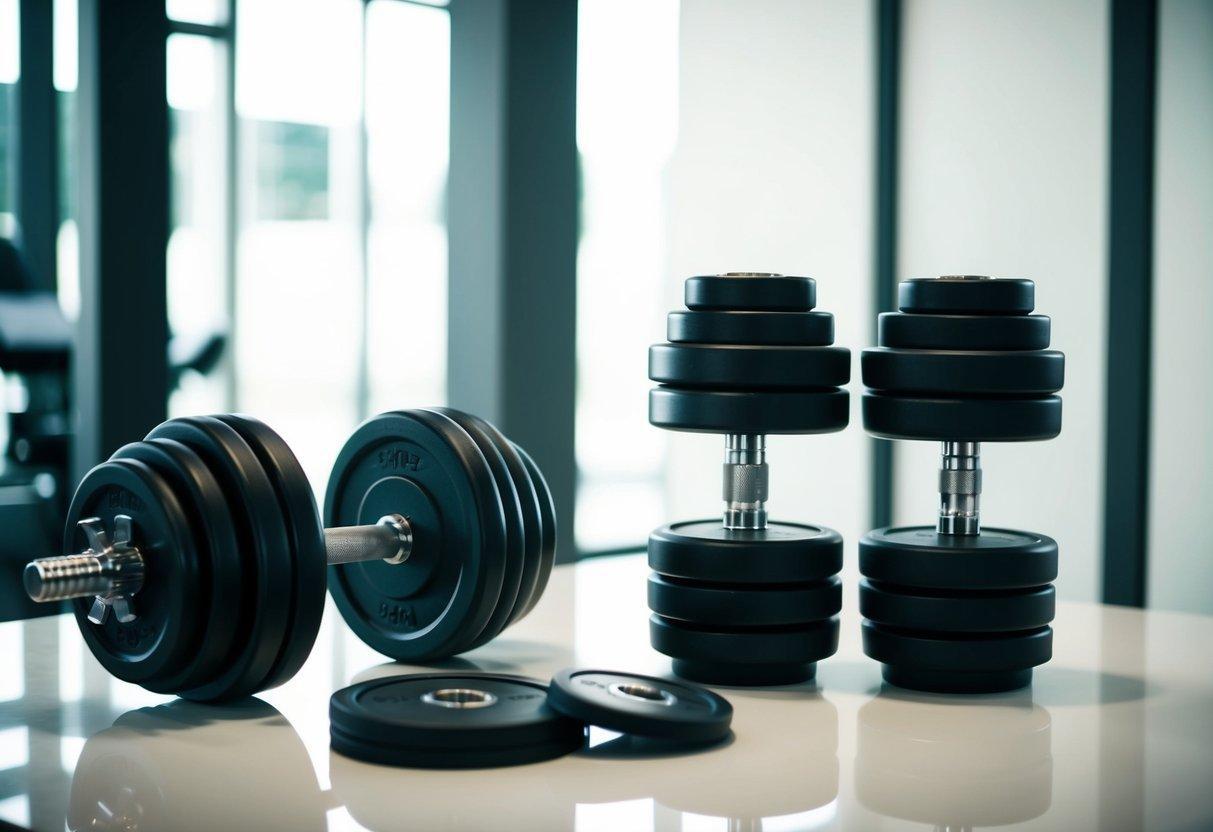
Adjustable dumbbells are often the better choice for home gyms due to their space-saving design and cost-effectiveness. They let you change weights quickly, which is great for different exercises or as you get stronger. Fixed dumbbells, on the other hand, take up more space but feel more solid and familiar.
I’ve used both types in my workouts. Adjustable dumbbells are handy when I want to switch between exercises without cluttering my space. Fixed dumbbells give me that classic gym feel, but they can be pricey if you want a full set. Your choice might depend on your budget, space, and workout style.
Key Takeaways
- Adjustable dumbbells save space and money for home gyms
- Fixed dumbbells offer a solid feel but require more storage
- Your workout needs and budget should guide your dumbbell choice
Understanding Dumbbell Types
Dumbbells come in different types to suit various workout needs and preferences. I’ll explain the main options and how they work.
Adjustable Dumbbells
Adjustable dumbbells let you change weights quickly. They’re great for small spaces and saving money. Most adjustable dumbbells cost under $800, which is cheaper than buying lots of fixed dumbbells.
These dumbbells use clever systems to add or remove weight. Some have dials you turn, while others use pins or levers. You can often adjust them in small steps, like 2.5 kg jumps.
One downside is they can be bulky. But they’re still more compact than a full set of fixed weights. They’re also not as durable as fixed dumbbells, so you need to be careful with them.
Fixed Dumbbells
Fixed dumbbells are the ones you see in most gyms. Each dumbbell has one set weight that doesn’t change. They’re simple, tough, and reliable.
You need a range of weights for different exercises. This means buying many pairs, which takes up space and costs more. But they last a long time and can handle rough use.
Fixed dumbbells feel more natural in your hand. They’re great for exercises where you move fast or need to drop the weights. You don’t have to worry about breaking any moving parts.
Selectorised vs Plate-Loaded Dumbbells
Selectorised dumbbells use a dial or pin to pick your weight. They’re quick to adjust and neat to store. But they have more parts that can break.
Plate-loaded dumbbells are like mini barbells. You add or remove weight plates manually. They take longer to change but are more durable. They also let you make smaller weight jumps if you have the right plates.
Both types save space compared to fixed dumbbells. Selectorised are faster to use, while plate-loaded feel more like traditional weights.
Comparing Features for Home Workouts
Adjustable and fixed dumbbells each have unique traits that impact home workouts. I’ll look at how they stack up in key areas like space use, weight options, exercise variety, and user-friendliness.
Space Efficiency
Adjustable dumbbells are champs at saving space. They pack multiple weights into one compact unit. This is great for small flats or tight home gyms. I can store a full range of weights in a tiny corner or on a shelf.
Fixed dumbbells take up more room. Each weight needs its own spot. A full set from 5 to 50 pounds can fill a whole rack. But some people like seeing all their weights laid out. It can be motivating.
For most home setups, adjustable dumbbells win on space. They’re the smart choice if floor space is tight.
Weight Adjustment and Increments
Adjustable dumbbells shine in weight range. Many models go from 5 to 50 pounds or more. Changing weights is quick – often just a twist or click. This is handy for drop sets or switching exercises fast.
The downside? Weight jumps can be big – sometimes 5 or 10 pounds. This makes small increases tricky.
Fixed dumbbells offer more precise jumps. Sets often have 2.5 or 5-pound gaps. This lets me fine-tune my lifts. But I need to buy lots of pairs to cover a wide range.
For most home users, adjustable dumbbells offer enough variety. But serious lifters might prefer the exact weights of fixed sets.
Versatility in Exercises
Both types work for most dumbbell moves. But they have some differences.
Adjustable dumbbells can be bulky. This might limit range of motion on some exercises. Chest flies or tricep extensions can feel awkward with larger models.
Fixed dumbbells have a consistent shape. This makes them comfy for all exercises. Their solid build is great for floor work like renegade rows.
Adjustable dumbbells win for quick weight changes. This is perfect for circuit training or supersets. Fixed dumbbells mean more trips to the rack between sets.
For pure exercise variety, it’s a tie. But adjustables have an edge in workout flow and speed.
Ease of Use and Safety
Fixed dumbbells are simple. Pick them up, use them, put them down. No fuss, no learning curve. They’re also tough – dropping them is less likely to cause damage.
Adjustable dumbbells need some getting used to. The adjustment system can be tricky at first. Some models have locking mechanisms for safety. This stops plates from slipping during use.
Fixed dumbbells feel more stable in hand. There’s no rattle or loose feel. Adjustables can sometimes feel a bit wobbly, especially cheaper models.
For beginners, fixed dumbbells might be easier. But most people quickly get the hang of adjustables. The convenience often outweighs the learning curve.
Making Your Decision: What’s Best for You
Choosing between adjustable and fixed dumbbells depends on your goals, space, and budget. Let’s look at key factors to help you decide.
For Beginners and Seasoned Lifters
As a beginner, I suggest starting with adjustable dumbbells. They’re cost-effective and let you try different weights easily. Adjustable dumbbells are great for gradual weight increases. This helps build strength safely.
For seasoned lifters, fixed dumbbells might be better. They allow quick weight changes during workouts. Fixed sets also tend to be more durable. This is important for heavy lifting.
Both types can work for any fitness level. Think about your long-term goals when choosing.
Portability and Storage
Adjustable dumbbells win for saving space. One set replaces many fixed dumbbells. I find adjustable sets easier to move around. This is handy for small flats or shared spaces.
Fixed dumbbells take up more room. But they’re ready to use without any setup. For a permanent home gym, fixed dumbbells might work better. They can handle more wear and tear.
If you travel a lot, adjustable dumbbells are more portable. Some even come with carry cases.
Consulting a Personal Trainer
A personal trainer can help you choose the right dumbbell type. They’ll look at your fitness level and goals. I’ve found trainers often prefer fixed dumbbells for clients. They’re simple to use and hard to misuse.
But many trainers also like adjustable sets for home workouts. They offer more flexibility for different exercises. A trainer can show you proper form with either type. This is key to prevent injuries and get the best results.
They can also help you plan a workout routine. This might influence which dumbbell type suits you best.
Advertisement / Sponsored Content — This content is a paid advertorial published in consideration of payment or other commercial benefit. The views, claims, statements, offers and representations are those of the advertiser and do not necessarily reflect the views of the publisher, which does not endorse or verify them. This material is provided for general promotional information only and does not constitute legal, financial, medical, investment or other professional advice; readers should make their own enquiries and seek professional advice before acting. Claims, testimonials and performance statements have not been independently verified unless stated. Offers and availability are subject to change and additional terms. This advertorial may contain links to third-party websites and the publisher may receive commissions or other benefits from reader engagement; the publisher is not responsible for third-party content or fulfilment. To the maximum extent permitted by Australian law, the publisher disclaims liability for reliance on this content, and nothing limits rights that cannot be excluded under the Australian Consumer Law. Where applicable, this advertorial is authorised by the advertiser and does not constitute independent editorial content.