New research1 from an optometrist chain has revealed the increasing cost-of-living is causing important health checks, such as hearing and eye tests, to fall off the priority list. This is leaving Australians at greater risk of developing conditions that could be silently progressing, resulting in a greater impact on health in the long run.
The findings have revealed that Australians are already adjusting spending to make ends meet by doing less socialising (58%), putting off holidays (55%) and spending less on groceries (53%). Now, health is under threat, with over half (52%) of parents aged 18-50 forgoing health appointments, including healthcare costs and health services.
But it isn’t just families suffering, older Australians (aged 65+) who are already more vulnerable to health issues are making cuts to everyday expenses by choosing to socialise less (71%) and spending less on groceries (54%), but also by compromising on their health with almost half (46%) forgoing health appointments. Concerningly, this may be putting already health-compromised older Australians at greater risk.
While both families and older Australians are making the basic lifestyle adjustments like reducing spending on socialising, food and holidays, healthcare professionals are concerned that health appointments are being put on the backburner.
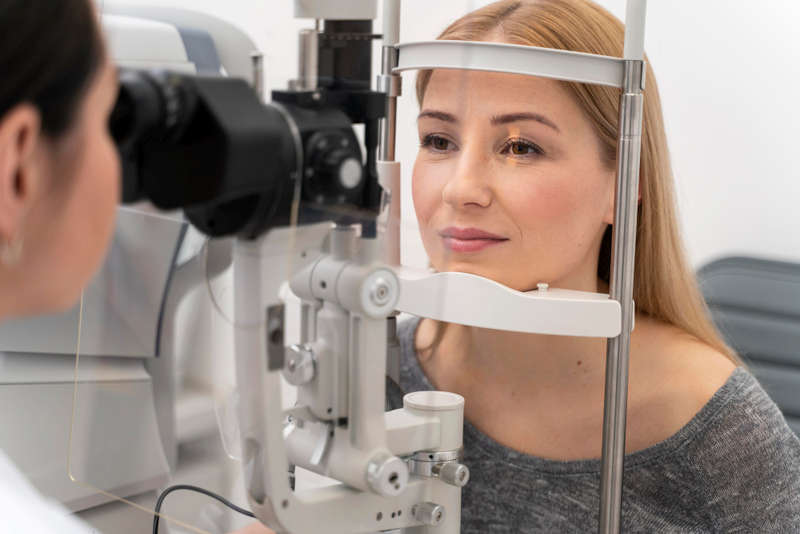
“We can’t stress enough how important it is to maintain your regular health appointments, including your hearing and your eye checks,” said Hobart optometrist Diane Jones. “We understand that parents, families, and older Australians have shifted their priorities to combat the cost of living – but your health is something that you can’t put a price on.
“Getting your eyes tested regularly is critical because many eye conditions, like glaucoma, macular degeneration and diabetic retinopathy, are characterised by a lack of symptoms, and if left untreated, can lead to severe complications, even loss of vision.
“Hearing loss can deteriorate over time, and if left untreated can lead to lowered mental stimulation and isolation from friends and family. Some studies have also found that hearing loss can lead to an increased risk of dementia.2
“When it comes to both eyes and ears, simply waiting for the problem to go away may be extremely detrimental to your overall health.”
These emerging trends are mirrored by the Australian Bureau of Statistics3 which shows that Australia is experiencing its largest annual increase in living costs in more than two decades and, a recent Roy Morgan4 study which found that 33% of Australians are either cancelling or deferring medical appointments due to their expenses.
References
- YouGov survey prepared for Specsavers, February 2023. The study was conducted online between 15-19 February 2023, and comprised of a nationally-representative sample of 1,000 Australian parents aged 18-50, and 1,000 Australians aged 65 or over.
- Panza F, Solfrizzi V, Logroscino G. Age-related hearing impairment-a risk factor and frailty marker for dementia and AD. Nat Rev Neurol. 2015 Mar;11(3):166-75. doi: 10.1038/nrneurol.2015.12. Epub 2015 Feb 17. PMID: 25686757.
- https://www.abs.gov.au/media-centre/media-releases/employee-households-living-costs-highest-two-decades
- https://www.roymorgan.com/findings/9077-melbourne-institute-roy-morgan-taking-the-pulse-of-the-nation-ttpn-september-11-2022-report