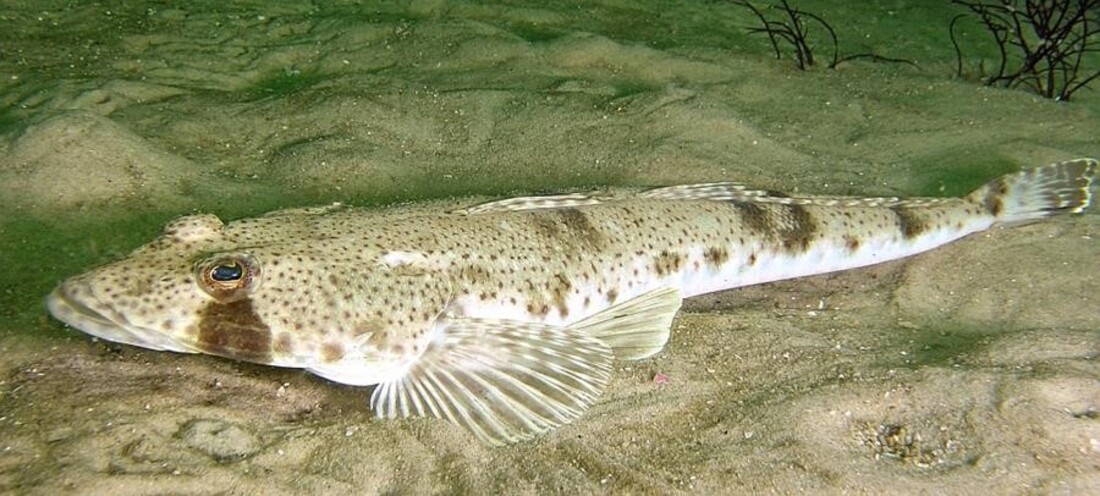
A new report by IMAS and UTas on the Sand Flathead in Tasmania was released in May with little fanfare.
Executive Summary
“This report presents the most comprehensive biological assessment undertaken of Sand Flathead in Tasmania, the state’s most important recreational scale-fish fishery. Led by researchers from the Institute for Marine and Antarctic Studies, University of Tasmania, the project was undertaken to determine whether long-standing concerns about declining catch rates, fewer large fish, and regional stock decline reflected real biological change, and to identify practical pathways for rebuilding the fishery.
Using historical records, statewide fishery-independent surveys, fishery-dependent sampling, biological studies, movement and connectivity analyses, and quantitative stock assessment, the report concludes that Sand Flathead are depleted across most regions assessed but remain recoverable. The most severe impacts occur in southeastern Tasmania, where fishing pressure has been highest and stock productivity is most reduced. Importantly, these findings align closely with outcomes of a complementary recent human dimensions study, which documented widespread fisher concern regarding declining stock condition and support for credible rebuilding measures. Together, these studies provide Tasmania with both the biological evidence and social context needed to guide evidence-based recovery of this iconic fishery.
Aims/objectives
The project was designed around seven core objectives intended to address key knowledge gaps and provide a practical pathway to improved management. These objectives were to:
- review and collate available biological and fishery data on Sand Flathead in Tasmanian waters;
- determine the spatial and temporal variability of key life-history characteristics and population structure;
- design, implement, and assess fishery-dependent and fishery-independent biological sampling methods;
- update reproductive biology at multiple Tasmanian regions;
- investigate movement and connectivity within Tasmania;
- develop a quantitative region-age-sex structured fishery assessment model; and
- identify management scenarios capable of rebuilding depleted areas with a focus on supporting long-term sustainability and maximising value of the fishery to the Tasmanian community
Sustained high fishing pressure, dominated by the recreational sector, has led to stock depletion in all Tasmanian regions except Flinders Island
The project found clear and persistent evidence that Sand Flathead stocks have been depleted by long-term fishing pressure across Tasmania, with the most severe depletion occurring in south-eastern regions, particularly the D’Entrecasteaux Channel and Frederick Henry–Norfolk Bay.
Closing statement
This project identifies that Sand Flathead rebuilding is achievable. Tasmania now has the scientific evidence, monitoring capability, and management tools required to restore the long-term sustainability, resilience, and quality of its most valued recreational fishery. The priority ahead is sustained implementation of decisive management, particularly in south-eastern Tasmania where recovery need is greatest. With evidence-based management and continued community support, the fishery can recover and continue to provide social, economic, and cultural benefits for future generations.
To read the methodology used, results, implications for relevant stakeholders (industry, communities, manager & policy makers and recreational fishers) and the recommendations check out the full report here.
Statement from Gavin Pearce, Minister for Primary Industries and Water
1 July 2026
Report supports the wait on flathead fishing
A landmark report into understanding Tasmania’s sand flathead population has been released, with the findings adding further evidence to support the strong action taken by the Tasmanian Government earlier this year.
Minister for Primary Industries and Water, Gavin Pearce, said the report highlights the clear impact of long-term fishing pressure on the sand flathead population.
“Earlier this year, we made a tough but necessary decision to ensure our future generations are able to enjoy sand flathead like we used to,” Minister Pearce said.
“I have always said we must trust the science, and this latest report shows that was the right call to make.
“Implementing a temporary closure of the South East Sand Flathead Zone was not a decision made lightly, but it provides the best chance for our $1.2 million restocking program to get sand flathead back to manageable levels.
“We took decisive action on the latest science available, and this new report reinforces the need for that action.
“A key part of our Government’s 2030 Strong Plan for Tasmania’s Future is ensuring our fisheries are sustainable, well-managed, and looked after for the future.”
Findings from the report included comparisons between historical and contemporary surveys showing that average sand flathead size had declined in several regions around Tasmania over recent decades, with the greatest changes occurring in the southeast.
It also found that average flathead are now about 30 to 40 millimetres smaller than they were three decades ago in some southeastern regions.
If you’re interested in this article, please join our mailing list. It’s all free … and we won’t share your information with anyone!
If you have any comments you’d like to add to this article, please contribute via this form. We’re trialling this while we work through replacing our comments section.
Truly independent media is a cornerstone of democracy.
Remember: once they gain power the first action of every despot in modern history is to take control of the media, so please consider supporting us.
Your kids will thank you and so will your Granny, but the aspiring despots won’t…