Advertisement / Sponsored Content
This content is paid advertising and has been prepared in collaboration with the advertiser.
This post remains active as a legacy issue and is being phased out from January 2026.
Tasmanian Times no longer accepts requests for paid content or advertorials.
I have been thinking lately about the pieces we choose to mark our lives.
Not the trendy items that cycle through wardrobes and eventually find their way to charity bins. I mean the pieces that stay. The ring your grandmother wore for sixty years. The pendant your mother gave you before you moved out of home. The earrings you bought yourself after a significant achievement.
These objects carry weight beyond their materials. They become witnesses to our lives.
The Quiet Language of Adornment
Jewellery has always communicated something about its wearer.
In earlier generations, pieces often signalled family position or social standing. Today the language has shifted. What we wear now tends to reflect personal narrative rather than inherited status. The choices have become more individual but no less meaningful.
I noticed this shift most clearly when helping a friend choose an engagement ring last year. She was not interested in what was fashionable or what celebrity influencers were wearing. She wanted something that felt like her. Something that would still feel right in thirty years.
This search for authenticity has driven many Australians toward craftspeople who prioritise design integrity over mass appeal. Showrooms offering high end jewellery in Melbourne have reported growing interest from buyers seeking bespoke work rather than off-the-shelf options. The desire is not about spending more. It is about finding something that resonates personally.
Craftsmanship as Connection
There is something grounding about objects made with genuine skill.
I visited a jeweller’s workshop several months ago and watched a stone being set by hand. The precision required was remarkable. Every movement was deliberate and practised. The craftsman had been doing this work for over thirty years.
What struck me was his relationship with the materials. He spoke about each stone’s character. Its inclusions and colour variations. The way light moved through it differently depending on the setting. This was not salesmanship. It was genuine respect for the medium.
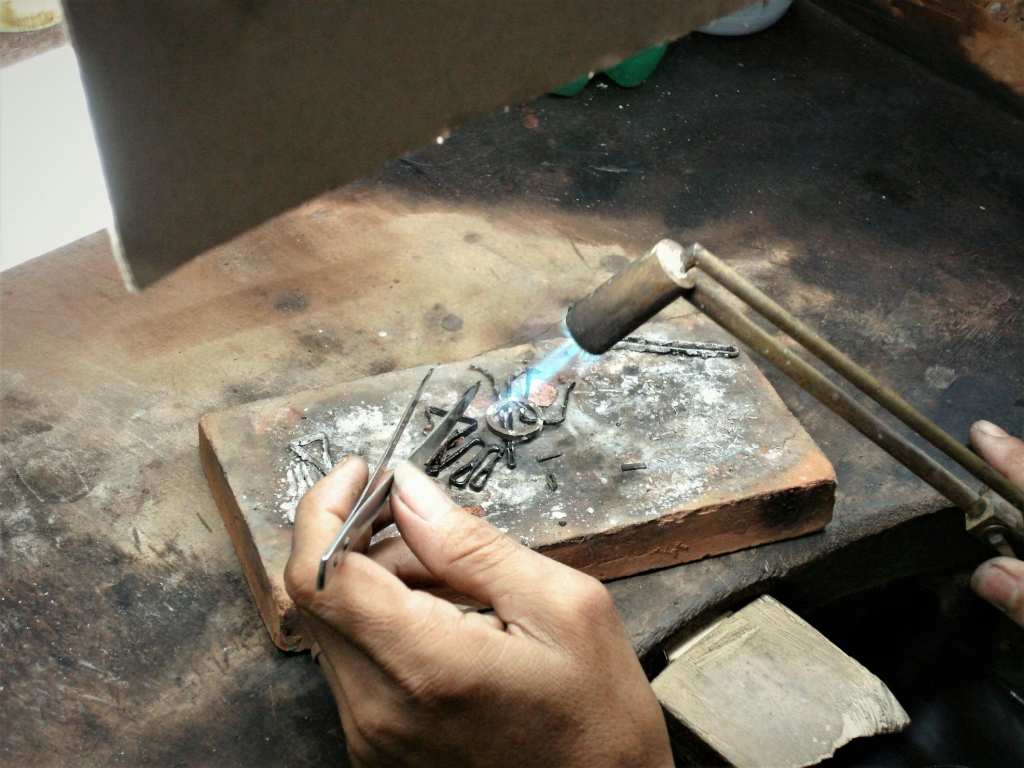
Mass production cannot replicate this connection. Factory-made pieces may look similar in photographs but they lack the subtle variations that handwork creates. More importantly, they lack the human story embedded in their making.
What Milestones Demand
Certain moments in life seem to call for marking.
Weddings are the obvious example. But there are others. Career achievements. Recovery from illness. The end of difficult chapters. The beginning of new ones. These transitions often prompt us to seek physical tokens that acknowledge what we have experienced.
I have a bracelet I bought after completing a project that nearly broke me professionally. It is not expensive by any objective measure. But every time I wear it, I remember what finishing that work required. The piece holds that memory in a way photographs somehow do not.
This impulse toward meaningful objects appears to be strengthening rather than fading. Despite predictions that younger generations would abandon physical possessions for digital experiences, the opposite seems true for significant items. People still want to hold something real.
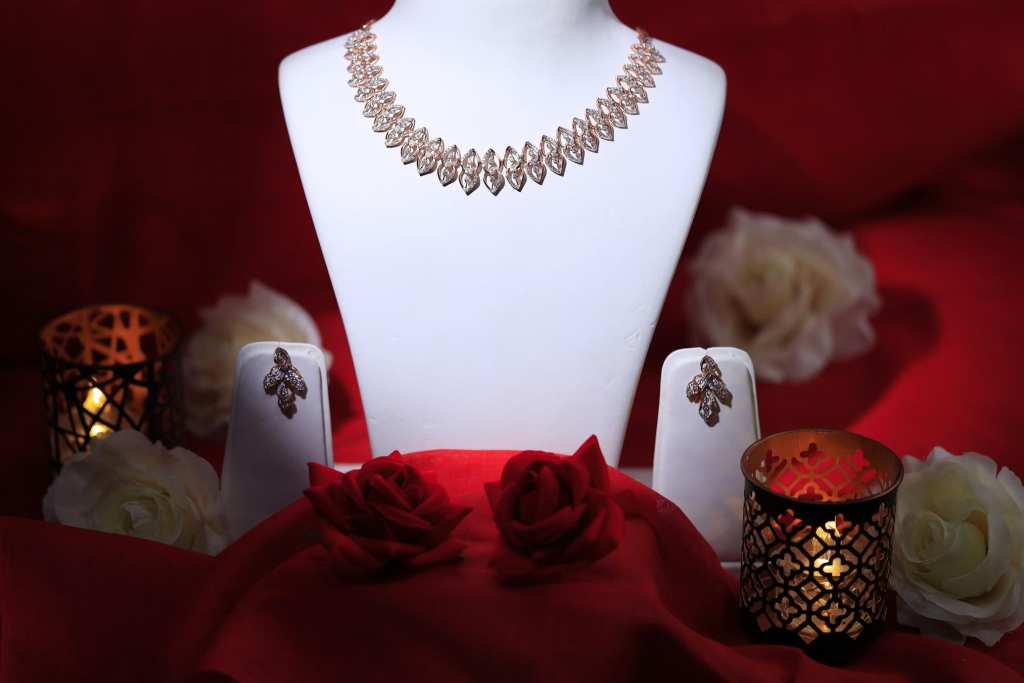
Wedding Pieces and Their Weight
Bridal jewellery carries particular symbolic density.
These pieces will appear in photographs viewed for generations. They will be worn on one of the most emotionally heightened days of a person’s life. Some will eventually be passed to children or grandchildren.
The responsibility of that choice affects how people approach the search. When couples shop wedding necklaces and other bridal pieces today, they often spend more time on research than previous generations did. They want to understand what they are buying and why it matters.
This thoughtfulness extends beyond the wedding day itself. Many brides now consider whether a piece will work for other occasions. Will it suit everyday wear? Can it be styled differently for various events? The investment is emotional but also practical.
Beyond Trend Cycles
Fashion moves quickly. Meaning does not.
The pieces that last in our lives rarely align with whatever happens to be trending. They succeed because they connect to something personal. A memory. A relationship. A version of ourselves we want to remember.
I have watched friends agonise over jewellery choices that seemed disproportionate to the purchase itself. But I have come to understand that the decision is never really about the object alone. It is about what the object will hold. What it will represent years from now when the context of its purchase has softened into memory.
Choosing With Intention
The market offers endless options at every price point.
Navigating this abundance requires knowing what you actually value. Not what advertisements suggest you should value. Not what social media presents as desirable. What genuinely matters to you.
For some people, ethical sourcing is paramount. They want to know where materials originated and under what conditions. For others, supporting local craftspeople takes priority. Some simply want beauty that will endure.
None of these priorities is more valid than another. What matters is clarity about your own.
What Stays
The pieces that remain meaningful share certain qualities.
They tend to be well made. Not necessarily expensive but constructed with care. They suit their wearer rather than overwhelming them. They connect to specific moments or relationships that retain significance over time.
These are not qualities you can assess quickly in a shop window. They require reflection. Patience. A willingness to wait for the right piece rather than settling for what is immediately available.
The objects that witness our lives deserve that consideration. They will carry our stories long after we are gone.
Advertisement / Sponsored Content — This content is a paid advertorial published in consideration of payment or other commercial benefit. The views, claims, statements, offers and representations are those of the advertiser and do not necessarily reflect the views of the publisher, which does not endorse or verify them. This material is provided for general promotional information only and does not constitute legal, financial, medical, investment or other professional advice; readers should make their own enquiries and seek professional advice before acting. Claims, testimonials and performance statements have not been independently verified unless stated. Offers and availability are subject to change and additional terms. This advertorial may contain links to third-party websites and the publisher may receive commissions or other benefits from reader engagement; the publisher is not responsible for third-party content or fulfilment. To the maximum extent permitted by Australian law, the publisher disclaims liability for reliance on this content, and nothing limits rights that cannot be excluded under the Australian Consumer Law. Where applicable, this advertorial is authorised by the advertiser and does not constitute independent editorial content.