

Advertisement / Sponsored Content
This content is paid advertising and has been prepared in collaboration with the advertiser.
This post remains active as a legacy issue and is being phased out from January 2026.
Tasmanian Times no longer accepts requests for paid content or advertorials.
Fresh paint does more than shift a colour chart, it changes how a home feels day to day. Good preparation, sound product choices,and careful detailing create a tidy result that lasts.
If you want a trusted reference point early, Ascend Painting Services brings Master Painters Association credentials and a five year workmanship warranty. The team works across residential, commercial and heritage projects in Western Australia, which shows a broad grasp of methods and finishes.
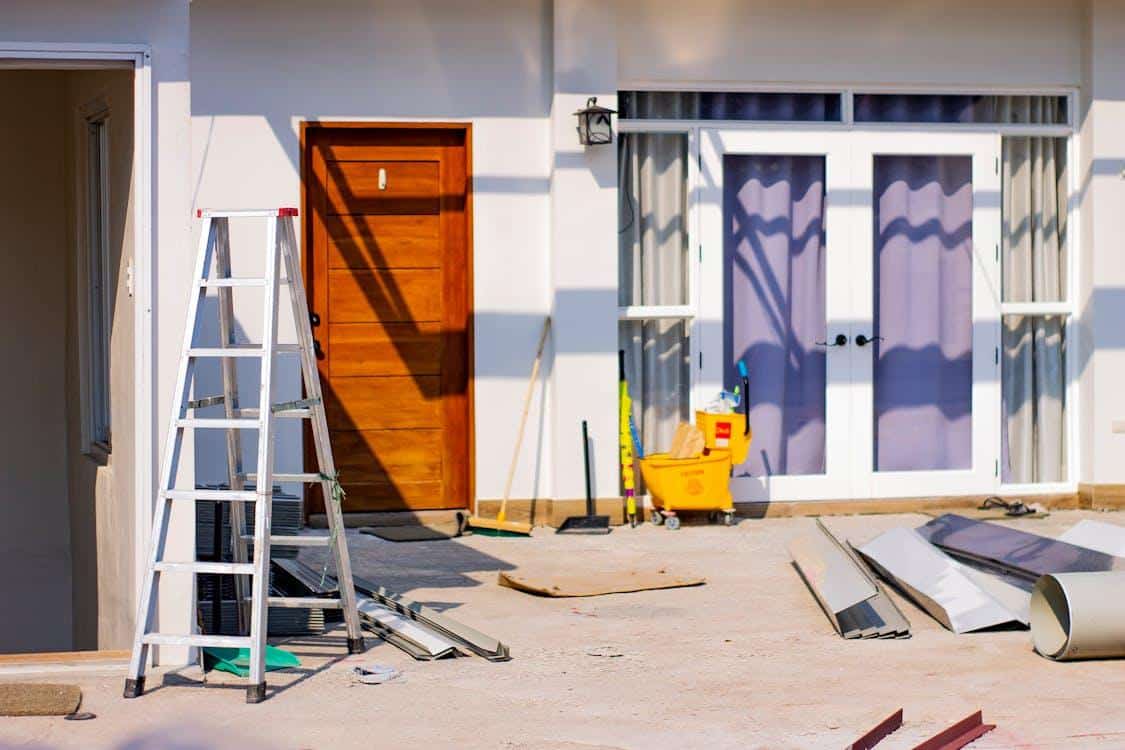
Photo by Nothing Ahead
Plan Colour With Purpose
Colour plans work best when they account for light, aspect, and fixed materials already in place. Test sample pots on large cards, then move them around rooms across the day. Compare colours against brick, roof, stone and flooring, since those items rarely change. Keep trim and doors coherent so transitions look calm rather than busy.
A simple structure helps choices feel easier and more consistent from room to room. Pick a base neutral with a warm or cool bias that suits your light. Select one feature tone to add depth in measured areas only. Use a single trim white across skirtings, doors and architraves for a neat line.
-
Base neutral for walls
-
One controlled feature tone
-
One consistent trim white
Prep Like A Professional
Lasting paint starts with proper preparation, not the topcoat on a Saturday afternoon. Wash down, repair cracks and sand to a smooth feathered edge before you open a tin. Prime patched areas to stop flashing, then choose the right sheen for wear and routine cleaning. Kitchens and hallways suit low sheen or satin, while ceilings read best in flat acrylic.
Check for contaminants that can spoil adhesion, including silicone, oil,and chalky residue on aged coatings. Use the right undercoat on glossy or previously enamelled surfaces so new paint has a firm grip. A careful base prevents premature peeling, which costs more than doing the work correctly once.
Respect Heritage And Character
Older homes carry stories in mouldings, verandahs and timber linings that deserve careful handling. Keep that character by matching profiles, preserving sound fabric and using breathable paint systems where the substrate needs it. If your place sits on a register, consult Western Australia’s Department of Planning, Lands and Heritage guidance, which outlines good practice for maintenance and finishes on heritage places. Their advice supports paint selection and respectful treatment of period details.
Look for clues before you pick a fresh scheme, since history often points to balanced colour. Paint scrapes can reveal earlier layers that suit the era and local street context. If you change colours, keep contrasts gentle so features read clearly without shouting at the street. Small adjustments usually achieve more than wholesale shifts that fight the building.
Use Light, Shade, And Sheen To Your Advantage
Colour never appears on its own, it sits under natural and artificial light that keeps changing. Plan lighting with task and ambient layers so rooms feel balanced at night and early morning. Higher sheens bounce light, which makes narrow halls feel wider and more open to the eye. Lower sheens hide minor plaster marks in older rooms that have settled over time.
Exterior light changes how facades read, so sample colours on sun and shade faces before you commit. Place samples near gutters, downpipes and trims to check how edges interact under bright sun. Interior testing matters as well, since cool daylight and warm globes can shift the same paint tone. Careful trials save money and time while giving a calmer daily view.
Choose Finishes For Climate And Exposure
Coastal, alpine, and hot inland zones stress coatings in different ways that require planning. In salt air, wash exteriors more often and use premium systems over sealed substrates to resist attack. In sunny zones, look for binders and pigments with proven retention and tested ultraviolet stability. Pay attention to timber moisture content before coating, since trapped moisture leads to blisters and early failure.
Inside wet areas, pick moisture resistant paints on ceilings and walls to resist steam and staining. Pair coatings with working exhaust fans that vent outside, not into ceiling voids or roof spaces. Openable windows help purge moisture after showers or laundry cycles during colder months. Simple housekeeping supports the paint film, which extends the life of the finish.
-
Wash coastal exteriors on a schedule
-
Ventilate bathrooms and laundries well
-
Confirm timber dryness before painting
Keep Health And Safety In View
Many Australian homes still carry older coatings that may contain lead, particularly under later layers. If you suspect lead paint, use test kits or engage a licensed professional before you sand. Work wet, contain dust and use the correct respirator with clean drop protection and clear walkways. Ventilate well during application and cure, particularly with strong primers or heavy cleaners.
Government resources outline practical steps for safer paint maintenance in homes across Australia. The Your Home program explains healthy home practice alongside energy and material choices that affect comfort. Its advice helps householders plan upgrades that avoid fumes building up during work and early cure. Guidance on ventilation, product selection and routine care is clear and easy to follow.
Finish With The Details That Matter
Neat cutting in and clean edges lift even modest colours into a crisp, tidy visual field. Caulk gaps sparingly, then smooth with a damp finger for a fine seal that takes paint well. Remove masking tape at a low angle while the paint is slightly soft to reduce tearing. Hardware looks better when removed rather than painted around, so bag and label screws carefully.
Exterior details deserve the same patient approach because weather tests weak links every single season. Sand and prime metal fences and gates to control rust before the finish coats go on. Back-prime timber ends, especially on fascias and battens that see frequent wetting and drying. Those unseen steps pay back with longer service intervals and fewer weekend repairs.
Bringing It Together For A Home That Feels Right
Small, steady paint upgrades tend to outlast grand weekend plans that try to cover everything. Start with a realistic scope, map your colour story, then handle preparation before picking up a roller. If the job calls for certified help, Ascend Painting Services brings two decades of practice across homes, heritage sites and working businesses. Combine that level of care with the public guidance noted above, and your next project will look tidy, protect surfaces,and sit well with the character of your place.
Advertisement / Sponsored Content — This content is a paid advertorial published in consideration of payment or other commercial benefit. The views, claims, statements, offers and representations are those of the advertiser and do not necessarily reflect the views of the publisher, which does not endorse or verify them. This material is provided for general promotional information only and does not constitute legal, financial, medical, investment or other professional advice; readers should make their own enquiries and seek professional advice before acting. Claims, testimonials and performance statements have not been independently verified unless stated. Offers and availability are subject to change and additional terms. This advertorial may contain links to third-party websites and the publisher may receive commissions or other benefits from reader engagement; the publisher is not responsible for third-party content or fulfilment. To the maximum extent permitted by Australian law, the publisher disclaims liability for reliance on this content, and nothing limits rights that cannot be excluded under the Australian Consumer Law. Where applicable, this advertorial is authorised by the advertiser and does not constitute independent editorial content.










