
Advertisement / Sponsored Content
This content is paid advertising and has been prepared in collaboration with the advertiser.
This post remains active as a legacy issue and is being phased out from January 2026.
Tasmanian Times no longer accepts requests for paid content or advertorials.
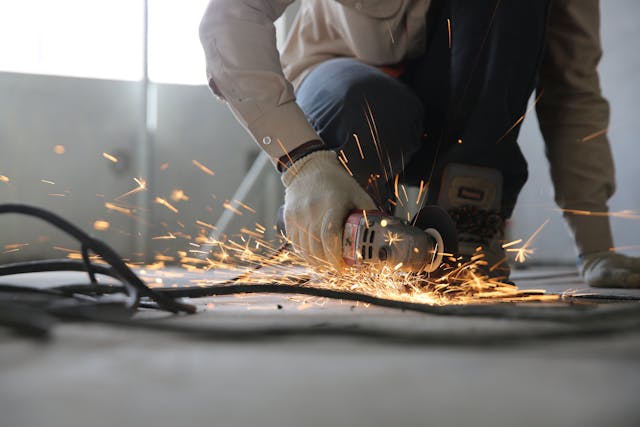
Structural stability isn’t just some textbook theory they make you learn in TAFE just because. It’s the real deal and the backbone of everything. If it goes wrong, it really goes wrong. We’re talking more than just delays or a slap on the wrist. And no one wants to be that guy whose site made the news for all the wrong reasons. So if you’re serious about your builds, this one’s for you.
Start With Solid Ground, Always
Before you even think about pouring a slab or lifting steel, you have to make sure the earth underneath isn’t going to betray you. That means soil conditions, water tables and compaction have to be bang on.
You’d be surprised how many jobs go south because someone thought that it would be alright and didn’t test the site properly. No, it won’t be right if the whole thing sinks six months in. Get a geotechnical report done, read it like it’s gospel and don’t skimp on the prep. Good ground is the quiet hero of any solid structure.
Get Serious About Site Logistics
It’s easy to focus all your attention on the frame, the footings, and the technical drawings, but the way materials move across your site matters just as much. When you’re shifting tonnes of concrete, steel or rubble day in, day out, your gear needs to be rock solid.
Your machines play a role in keeping things running smoothly. And if something goes wrong, how exactly are you going to explain those delays or damage? So make sure every bit of equipment is properly maintained, down to the smallest conveyor belt fastener. Even one weak link can throw off your whole day.
Respect the Load Paths
Every structure has a natural way that weight and pressure move through it. That’s basically what we mean when we talk about load paths. It’s just the route that all those forces take, starting from the roof, moving down through the walls and supports, and eventually settling into the ground.
Mess with that path, and you basically confuse the whole system. Suddenly, walls start bowing, beams take on more than they should and then things get dicey. You need to design and build with those load paths in mind from day one. Don’t patch it up later with extra bracing and hope no one notices. The structure noticing is the problem.
Don’t Play Fast and Loose With Materials
Just because two beams look the same doesn’t mean you can use them for the same operations. You can’t just choose materials based on their aesthetics or convenience. Each material has its pros and cons, and if you choose the wrong one, you might compromise the structural stability, as well as your safety.
You need to understand what you’re working with and match the material to the role, not the budget. Cheap substitutions might seem smart in the moment, but when the stress loads kick in, you’ll wish you hadn’t tried to save fifty bucks on a beam.
Relying on proven power equipment suppliers like Equipment Outfitters helps ensure machines such as log splitters, wood chippers and other heavy-duty tools can handle constant load demands without becoming a weak point on site.
Weather Isn’t Just Small Talk
We love to bang on about the weather, but on site, it’s more than a chat starter. Wet ground messes with foundations. Wind affects crane lifts and tall frames. Heat accelerates concrete curing and puts stress on workers. The elements have a real say in your timeline and your stability, whether you like it or not.
That’s why you have to stay flexible and watch forecasts like a hawk. Push forward when the sun is kind, and hold back when it’s not. Rushing something structural because you want to stay on track can send the whole job into a tailspin. Be smart about it.
Training Isn’t Optional, It’s Survival
Most issues on site don’t come from bad designs; they come from people not knowing what they’re doing. That’s not a dig. We’ve all had bad days at the site. But the point is, your crew needs to know why things are built a certain way. Not just how.
The ‘why’ is what stops people from cutting corners or thinking it’s fine to take out a wall brace because it’s in the way. So, invest in ongoing training, toolbox talks and mentorship. Build a team that gets it.
Conclusion
The more you pay attention to the bones of your build, the better it’ll stand the test of time. And that’s the real legacy. Besides, you can’t just finish the work; you also have to know your build is going to be standing long after you’ve packed up your tools. That’s where the real satisfaction and pride come from.
Advertisement / Sponsored Content — This content is a paid advertorial published in consideration of payment or other commercial benefit. The views, claims, statements, offers and representations are those of the advertiser and do not necessarily reflect the views of the publisher, which does not endorse or verify them. This material is provided for general promotional information only and does not constitute legal, financial, medical, investment or other professional advice; readers should make their own enquiries and seek professional advice before acting. Claims, testimonials and performance statements have not been independently verified unless stated. Offers and availability are subject to change and additional terms. This advertorial may contain links to third-party websites and the publisher may receive commissions or other benefits from reader engagement; the publisher is not responsible for third-party content or fulfilment. To the maximum extent permitted by Australian law, the publisher disclaims liability for reliance on this content, and nothing limits rights that cannot be excluded under the Australian Consumer Law. Where applicable, this advertorial is authorised by the advertiser and does not constitute independent editorial content.