Advertisement / Sponsored Content
This content is paid advertising and has been prepared in collaboration with the advertiser.
This post remains active as a legacy issue and is being phased out from January 2026.
Tasmanian Times no longer accepts requests for paid content or advertorials.
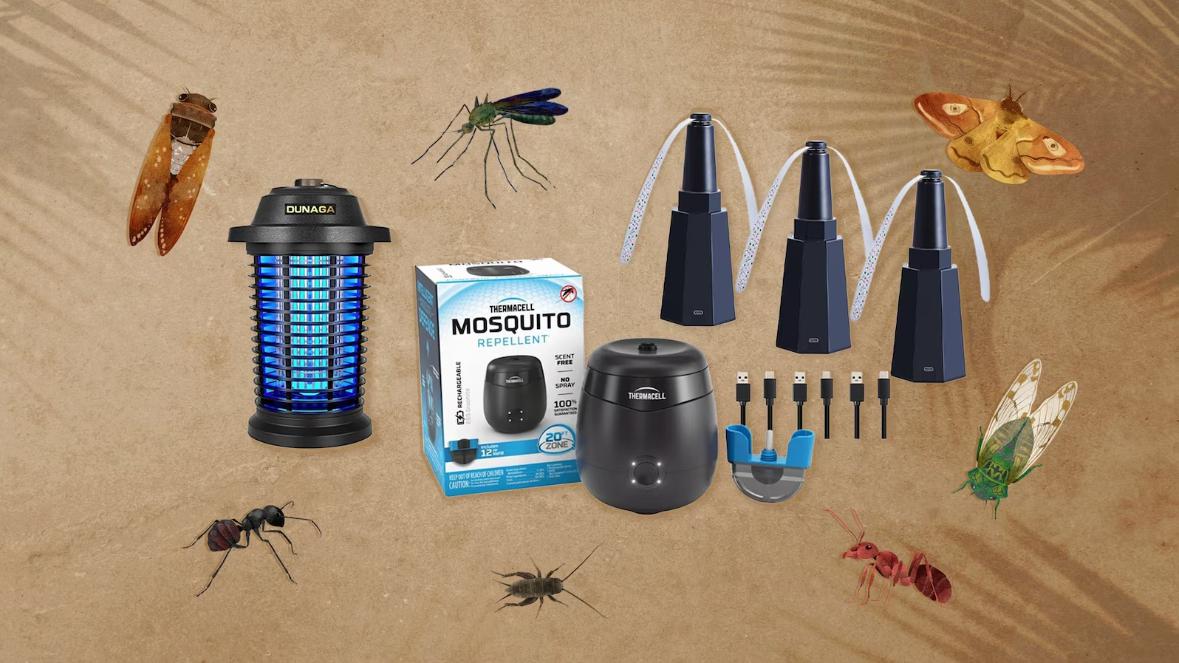
Few matters can spoil the consolation of your house quicker than a humming mosquito within the bedroom or a cloud of fruit flies round your kitchen. Pests like mosquitoes, flies and gnats don’t simply reason annoyance—they can also convey fitness dangers and damage food. That’s why extra house owners are turning to modern insect traps as a practical answer. But here’s the catch: the pleasant entice for your patio can be vain on your nursery, and the device that clears fruit flies out of your kitchen won’t do plenty for mosquitoes in the backyard.
To make pest management simply effective, you need to shape the entice to the specific place of your home and the kind of insect you’re coping with. Brands including Envirobug have evolved a number of traps tailor-made to exceptional areas, making it easier than ever to target pests without harsh chemical substances.
In this manual, we’ll walk through why choosing the proper trap subjects, the technology available, and the way to choose the appropriate choice for each vicinity of your own home.
Why Matching the Trap to the Space Matters
When it involves insect traps, one size simply doesn’t fit all. A UV mild trap might preserve your kitchen fruit-fly loose, but put that same trap on a deck in summer season and also you’ll still be swatting at mosquitoes all night.
Different pests respond to special lures, and extraordinary areas include specific demanding situations. Kitchens, bedrooms and garages every entice particular bugs, even as out of doors areas deliver heavier infestations. The suitable information? Today’s insect traps are designed with these variables in mind, giving owners focused equipment to tackle pests successfully.
So in case you’ve ever felt frustrated that your trap “doesn’t work,” probabilities are that it wasn’t the proper entice for the right location.
Common Mistakes When Choosing a Trap
Before diving into trap technologies, it’s beneficial to apprehend not unusual pitfalls that result in wasted money and ongoing infestations:
-
Wrong insect kind: Using a mosquito trap for fruit flies received won’t solve your problem.
-
Ignoring coverage length: Small plug-in traps can’t cover a big backyard.
-
Poor placement: A trap hidden behind fixtures or too close to people won’t seize a whole lot.
-
Over-expectation: One tool can’t clean a whole residence—strategic placement topics.
-
Skipping maintenance: Traps need emptied trays and refreshed attractants to stay powerful.
Avoiding those mistakes is 1/2 the warfare to successful pest management.
Types of Insect Trap Technologies
Now permit’s explore the main sorts of traps available, in conjunction with which they shine. Understanding the technology behind every option allows you’re make smarter selections.
UV Light Traps
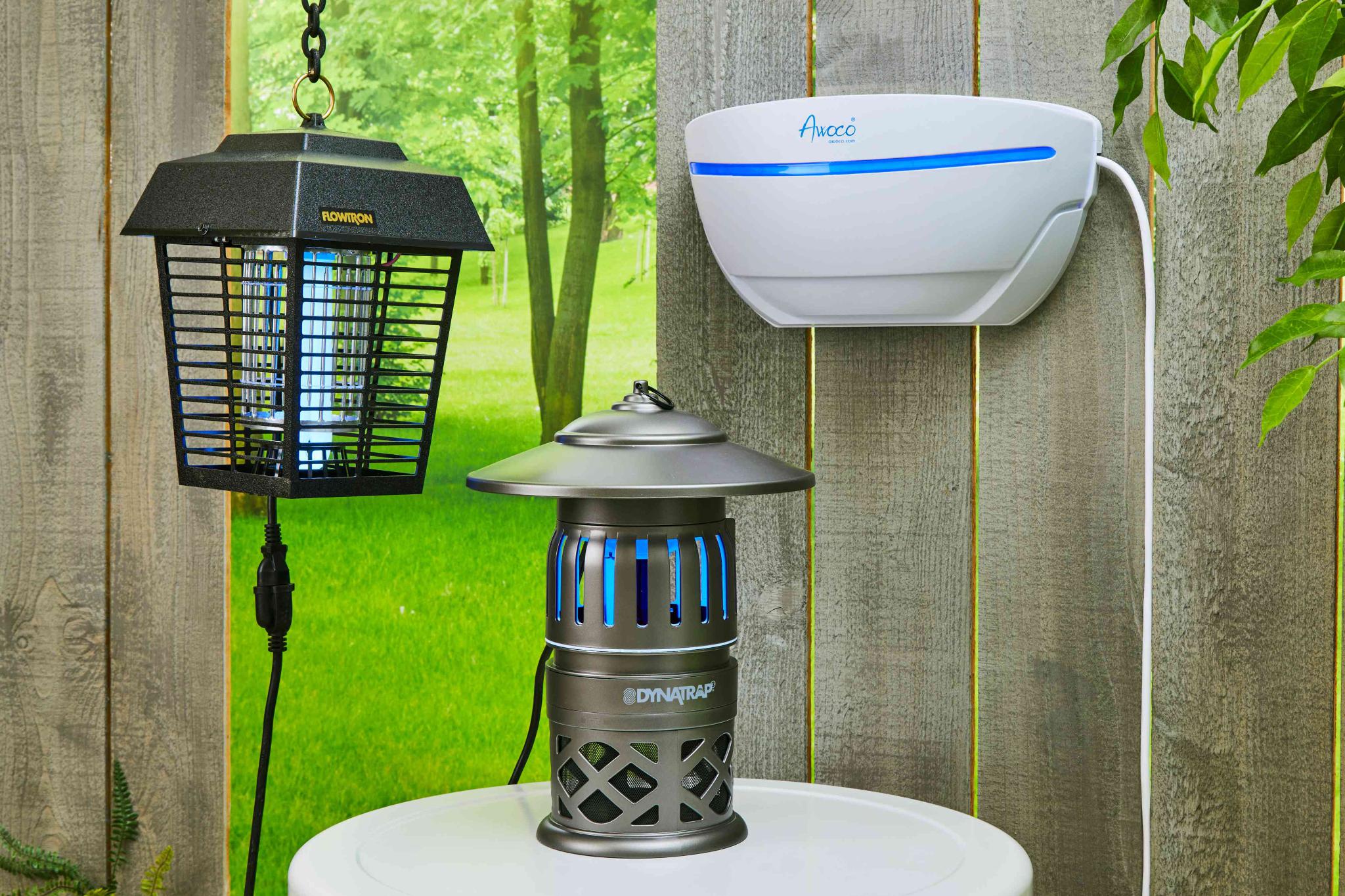
These traps use ultraviolet light to trap flying bugs like gnats, moths and fruit flies. Once attracted, insects are either zapped by means of an electric powered grid or captured on sticky pads. They’re discreet, chemical-free and top notch for kitchens, residing rooms and garages, wherein food and rubbish attract pests.
CO₂ & Heat-Based Traps
Mosquitoes are attracted to the carbon dioxide we exhale and the warm temperature of our bodies. CO₂ traps mimic human breath and integrate it with warmth to entice mosquitoes from a distance. These traps are perfect for patios, decks and out of doors seating regions, especially in summer time evenings while mosquitoes are maximum active.
Suction & Sticky Pad Traps
These gadgets use a small fan or sticky floor to seize bugs. They function quietly, making them ideal for bedrooms, nurseries and offices, where you don’t want buzzing noises or chemical smells.
Portable & Rechargeable Traps
For flexibility, transportable devices are a lifesaver. Rechargeable insect traps can move from the dining table to a picnic or maybe go with you on journeys. These are satisfactory for on-the-cross safety while you want pest control without being tied to an electricity outlet.
Choosing the Right Trap for Different Areas of Your Home
Every part of your house has its personal pest demanding situations. Matching the trap to the region makes your funding profitable.
Kitchen & Dining Areas
Kitchens are magnets for flies and fruit flies. Leftover food, crumbs and fruit bowls provide clean food for bugs. Here, plug-in sticky traps or UV light traps are the most effective and hygienic answers. They paintings silently, combine in with kitchen appliances and hold pests away from meals practise zones.
Bedrooms & Nurseries
Mosquitoes are the biggest problem in sound asleep regions. Their bites can keep you awake, and kids are especially inclined. The great preference is quiet suction traps or CO₂/warmness traps positioned strategically faraway from beds. These alternatives run silently and don’t disturb relaxation at the same time as keeping mosquitoes at bay.
Living Rooms & Common Areas
Since residing rooms frequently have open home windows and lots of foot visitors, they entice a mix of flies, gnats and mosquitoes. A multipurpose UV lure or fan-suction affords balanced coverage, handling a couple of insect types without being intrusive.
Outdoor Spaces (Patios, Decks, Yards)
If there’s one location wherein pests become overwhelming, it’s outdoors. Warm evenings bring clouds of mosquitoes and flies. For those areas, CO₂-primarily based traps or heavy-obligation out of doors fashions are important. They draw bugs far from people and decrease standard populations in your yard.
Garages & Entryways
These are transition spaces in which bugs sneak inner. Plug-in sticky traps or portable traps paintings first-rate here, intercepting flies and mosquitoes earlier than they enter your residing regions.
Other Pest Control Options to Complement Traps
Insect traps are especially effective, but combining them with other measures offers complete protection. Consider those complementary alternatives:
-
Repellents: Sprays, coils, and plug-in repellents create a shielding quarter.
-
Natural deterrents: Plants like citronella, lavender or critical oils discourage pests.
-
Physical obstacles: Mosquito nets, window monitors and door seals block access points.
Using these alongside traps offers layered defence.
Final Tips for Success
Before you start shopping, keep those 3 reminders in thoughts for best effects:
-
Match the entice to the room and pest type. Don’t depend on one tool for the whole house.
-
Place efficiently. Position traps near access factors or problem regions, but far from in which human beings collect.
-
Maintain regularly. Empty trays, clean sticky pads, and update attractants as needed to preserve performance high.
Wrapping Up
Insect control doesn’t feel like a losing struggle. With the right mixture of modern-day traps and smart placement, you could reclaim every nook of your own home—from the kitchen to the patio. Whether you’re dealing with fruit flies in Victoria or mosquitoes on a summer season night time by the river, matching the lure to the distance is the important thing to long-term alleviation.
Advertisement / Sponsored Content — This content is a paid advertorial published in consideration of payment or other commercial benefit. The views, claims, statements, offers and representations are those of the advertiser and do not necessarily reflect the views of the publisher, which does not endorse or verify them. This material is provided for general promotional information only and does not constitute legal, financial, medical, investment or other professional advice; readers should make their own enquiries and seek professional advice before acting. Claims, testimonials and performance statements have not been independently verified unless stated. Offers and availability are subject to change and additional terms. This advertorial may contain links to third-party websites and the publisher may receive commissions or other benefits from reader engagement; the publisher is not responsible for third-party content or fulfilment. To the maximum extent permitted by Australian law, the publisher disclaims liability for reliance on this content, and nothing limits rights that cannot be excluded under the Australian Consumer Law. Where applicable, this advertorial is authorised by the advertiser and does not constitute independent editorial content.