

Advertisement / Sponsored Content
This content is paid advertising and has been prepared in collaboration with the advertiser.
This post remains active as a legacy issue and is being phased out from January 2026.
Tasmanian Times no longer accepts requests for paid content or advertorials.
In many rural towns, life moves at a gentler pace. Families spend more time together and the smallest details often carry the biggest meaning. Among those details are the comforting objects that follow people through the years. For many, a well-loved plush toy is more than just a bit of fabric and stuffing. It becomes a keeper of stories, a silent witness to childhood moments and a reminder of the warmth of home.
It might be a floppy teddy bear from an older sibling or a quirky stuffed dog found in a local shop. For some, it is something as unique as a Jellycat dog with its character-filled face and soft, reassuring feel. These toys have a way of becoming part of the family fabric not because of their price tag but because of the meaning they gather over time.
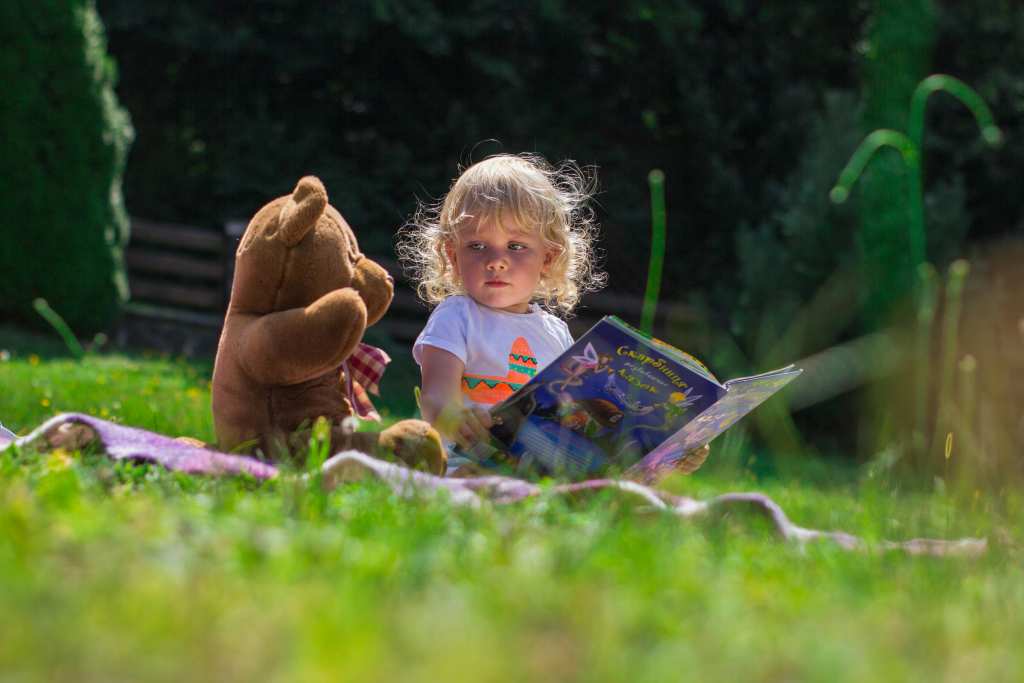
More than just decoration
In rural communities, toys are rarely just playthings. They often serve as stand-ins for friends during quieter days or as travel companions on long trips into town. In households where siblings may be far apart in age, a shared plush can bridge the gap, creating a little bond that lives in the space between play and comfort.
These companions often earn a permanent place in the home. They sit on beds even when children are grown or they are carefully packed away in memory boxes. In that sense, a plush toy is both a source of comfort and a small piece of family history.
Passing down stories with stitches
It is common in small towns to pass things down through generations and toys are no exception. A plush toy can carry the scent of a home, the gentle wear of years and the stories told at bedtime. Grandparents might share tales about where the toy came from, weaving it into a family narrative.
Sometimes these toys are patched and repaired many times over, not because replacements are unavailable but because the history stitched into them is irreplaceable.
A source of comfort in changing times
For rural families, community and stability are precious. Yet, like anywhere else, life changes—children grow, people move and landscapes evolve. Plush toys often remain as the steady presence in a child’s room even when everything else shifts. They are something familiar to hold onto in new situations, whether that is starting school, moving farms or spending a night away from home.
It is no wonder many adults keep their childhood plush tucked away. They serve as small reminders that comfort and safety can be found in the simplest forms.
Why rural connections make them special
Small-town life often encourages deep connections with fewer distractions. A toy is not replaced every season by the newest trend. Instead, it becomes part of daily life. These plush companions are carried to community events, sit on laps during long drives to sports games and are tucked into beds with the same care night after night.
Because rural communities are often close-knit, it is common for neighbours and family friends to recognise a child’s favourite toy. That shared recognition strengthens the sense of belonging and reinforces the value of small, consistent comforts.
Choosing toys that stand the test of time
While the sentimental value of a toy cannot be manufactured, certain choices make it more likely a plush will be cherished for years. Parents and gift-givers in small towns often look for:
-
Quality materials that can survive years of hugs and occasional rough play
-
Unique character, giving the toy personality and a “nameable” identity
-
Softness and size that suit the child’s comfort needs
-
Durability so it can travel, be washed and still return to its place on the bed
These qualities help ensure the toy does not just pass through a child’s life but becomes part of it.
The unexpected role in emotional growth
Plush toys often help children express feelings they cannot yet put into words. In rural life, where children might have fewer peers nearby, these companions can provide emotional practice—children might speak to them, role-play scenarios or seek comfort during moments of sadness.
This imaginative relationship helps children develop empathy and self-soothing skills, which can be especially important in close-knit communities where social and emotional bonds are deeply valued.
A bridge between generations
One of the most touching aspects of plush toys in rural families is their role in connecting different generations. A toy that once comforted a parent can be given to a child, linking two points in family history. Sometimes the same toy will sit in the corner of a living room, becoming part of the visual landscape for decades.
For rural grandparents, gifting a plush to a grandchild can be an unspoken way of passing on love, care and a sense of continuity.
The lasting presence
When the years pass and children leave home, these plush toys often remain. They might live on a shelf, rest on a spare bed or stay hidden in a keepsake box. Their presence reminds families of earlier days, the rhythm of small-town life and the value of holding onto things that matter.
In a fast-moving world, these toys become anchors. They remind us that joy does not need to be loud or fleeting. It can be quiet, steady and as simple as a soft toy waiting at home.
Advertisement / Sponsored Content — This content is a paid advertorial published in consideration of payment or other commercial benefit. The views, claims, statements, offers and representations are those of the advertiser and do not necessarily reflect the views of the publisher, which does not endorse or verify them. This material is provided for general promotional information only and does not constitute legal, financial, medical, investment or other professional advice; readers should make their own enquiries and seek professional advice before acting. Claims, testimonials and performance statements have not been independently verified unless stated. Offers and availability are subject to change and additional terms. This advertorial may contain links to third-party websites and the publisher may receive commissions or other benefits from reader engagement; the publisher is not responsible for third-party content or fulfilment. To the maximum extent permitted by Australian law, the publisher disclaims liability for reliance on this content, and nothing limits rights that cannot be excluded under the Australian Consumer Law. Where applicable, this advertorial is authorised by the advertiser and does not constitute independent editorial content.










