A new collaboration between Australia and Japan is boosting joint research in Antarctica. Funded by the Australia-Japan Foundation, scientists from both nations are teaming up to study climate change’s effects on the region, with a focus on sea-ice loss and rising sea levels.
The partnership aims to inform policy and protect Antarctic ecosystems by sharing resources, data, and expertise.

Media release – University of Tasmania, 1 August 2025
More than the sum of its parts’: Japan-Australia brains trust charts future for Antarctic science
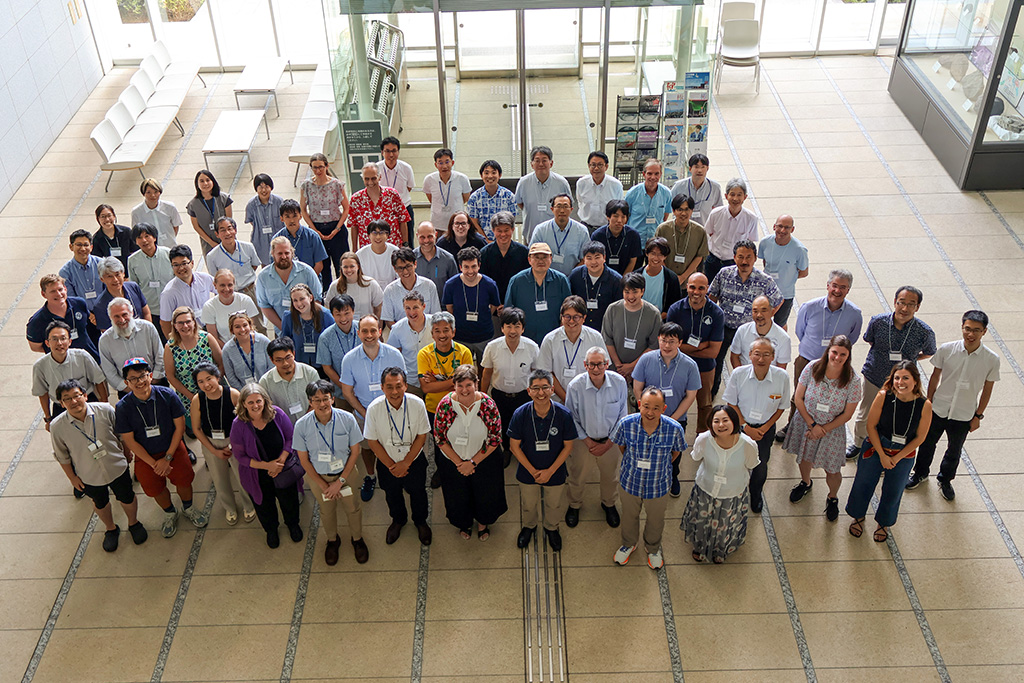
Eighty world-leading scientists have mapped out the near-future of joint research between Japan and Australia in Antarctica and the Southern Ocean.
Experts from universities and government agencies, across a broad range of disciplines – including oceanography, biology, ecology, biogeochemistry, geology, sea ice, ice sheet modelling, logistics and atmospheric science – met from 29-30 July at the National Institute for Polar Research (NIPR) in Tokyo.
The meeting was funded by the Australian Department of Foreign Affairs and Trade (DFAT) through a grant to the Australian Antarctic Program Partnership (AAPP) at the University of Tasmania from the Australia-Japan Foundation (A-JF).
Co-organiser Dr Tony Press from the University of Tasmania said the outcome of the “Australia-Japan Foundation Workshop on Antarctic Science 2025” was “more than the sum of its parts”.
“This was one of the most productive bilateral collaborations I’ve been involved with,” Press said.
“Australia and Japan each have a long history of Antarctic exploration and science, going back to the early 20th century. Both nations became founding parties of the Antarctic Treaty in 1959.”
Although this was the fifth Australia-Japan meeting since 2009, it was the first since the COVID pandemic greatly disrupted Antarctic and Southern Ocean science programs.
“Our goal is to strengthen the Australia-Japan Antarctic relationship through collaborative research at a time when understanding Antarctica’s role in the global climate system is urgent,” Press said.
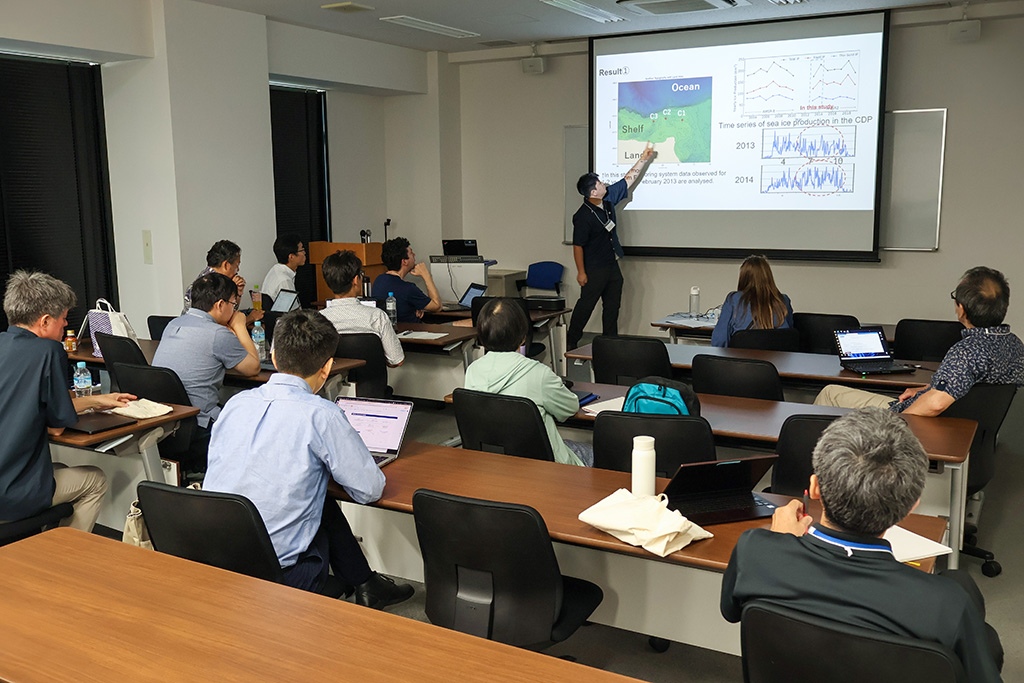
“Much of our discussion highlighted the rapid climate-related changes we are witnessing in the Antarctic region, such as dramatic reductions in sea-ice extent and increasing contributions from the Antarctic ice sheet to global sea-level rise.”
“The scientists at the meeting are deeply motivated to carry out the urgent research needed to inform policy-making about actions required to avoid damaging and irreversible impacts of global heating.
“While global geopolitical forces are impacting Antarctic governance, Australia-Japan relationships are strengthening,” he said.
Co-organiser and senior krill biologist Dr So Kawaguchi from the Australia Antarctic Division (who has co-organised all five workshops since 2009) said that East Antarctica is the natural region for science collaboration between Australia and Japan.
“A long section of the East Antarctic coast is bracketed by Australian and Japanese research stations serviced by our respective national science icebreakers Nuyina and Shirase,” Kawaguchi said.
“Both nations are also advancing ambitious ice core drilling programs in the Antarctic interior to retrieve a continuous climate history of more than one million years.
“This important meeting built new pathways between Australia and Japan in Antarctic science, where we explored how to add value to each other’s work, focus on the areas of greatest impact, and harness the capabilities of innovative and emerging technologies.
“For example, strengthening long-term penguin monitoring and its coordination with at-sea krill surveys by both nations will provide important information for policy makers and the Commission for the Conservation of Antarctic Marine Living Resources to ensure the conservation of wildlife and their habitats under a changing climate.
“An updated synthesis of the East Antarctic pelagic ecosystem using recent multidisciplinary ecological surveys will provide further opportunities for developing collaborative multinational research in future fieldwork campaigns.”
Sharing of equipment such as ships and marine sensors, as well as exchange of data and expertise, were discussed extensively at the workshop.
Tasmanian Times (TT) is a community-based news and current affairs service covering the island state of Tasmania. It exists to provide a diverse view of Tasmanian issues. TT creates and supports independent media content utilising the best of modern technologies and tried-and-true practices of public-interest journalism.
Support us in expanding our coverage and developing new content by and for Tasmanians.
New initiatives on the way include:
- a weekly podcast covering current affairs
- a revamped website
- a monthly cartoon competition
- a user-friendly app for both Android and Apple devices
- a weekly roundup of key stories