
Advertisement / Sponsored Content
This content is paid advertising and has been prepared in collaboration with the advertiser.
This post remains active as a legacy issue and is being phased out from January 2026.
Tasmanian Times no longer accepts requests for paid content or advertorials.
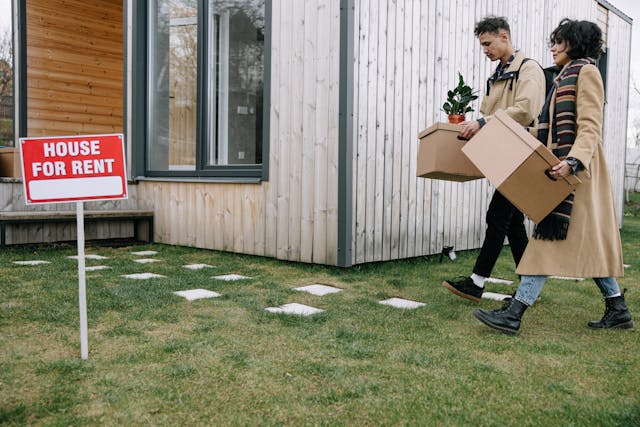
When renting out a property, you’re stepping into something more personal. People are living their lives in your place. There are groceries in the fridge, discussions in the group chat and late-night Netflix binges happening under your roof. And you, whether you like it or not, are part of that environment. Not centre stage, of course, but floating around the edges. So how you communicate with your tenants sets the tone for everything.
Start Strong and Keep It Clear
First impressions aren’t just for first dates and job interviews. The way you open up the relationship with a new tenant matters. If their first impression of you is that you’re an audacious, nitpicky landlord with little to no respect for their tenants, they’ll treat you like someone they want to avoid at all costs.
So, be patient and kind. Don’t expect them to magically know the process for reporting maintenance or what reasonable wear and tear actually means. You’re the landlord, so you should spell it out. Be warm, but be firm. You want them to feel safe coming to you, but also to know you’re not here to muck around.
Give Respect, Get Respect
It’s easy to fall into the trap of treating tenants like they’re a problem to manage. But here’s the thing, they’re the reason your investment is working. They’re paying good money to make your place their home, and that deserves a bit of respect.
If you want smooth tenancies, you have to treat your tenants like capable adults. You don’t need to tell them every day to take the trash out, they can figure that out on their own. And if you decide to cash out, let’s say, your houses for sale in Kedron, make sure people who live there know you won’t be renewing their lease. They should know this stuff a few months in advance, not a week before you want them to move out.
Be Proactive, Not Just Reactive
It’s easy to ignore your tenants and only reply when it suits you. Some Aussie landlords, especially the ones in big cities like Sydney or Brisbane are more than guilty of that. But you can’t just apply when there’s a rent issue. If you get into a habit of reacting to problems, they won’t really trust you. So, touch base every now and again.
And when you do reach out, keep your tone friendly and respectful. No need for stiff “Dear Tenant” letters unless you’re sending official notices. A quick message with a bit of personality goes a long way. Something like, “Hey! Just a heads up, there will be someone reading the meters next Tuesday, so if you still have those dogs, maybe pop them out the back for a bit?” It makes you feel less like a landlord and more like a responsible human they can trust.
Set Boundaries
Setting boundaries is not always fun, but it’s necessary. You have to draw some lines around communication, otherwise it can all get a bit out of hand. Having tenants texting you at 10 PM because they’ve locked themselves out is not ideal. Similarly, endless calls about the colour of the fence will make you lose your mind.
So, make sure you know when you prefer to get in touch. Then, let them know that this doesn’t count for real emergencies. And again, make sure they know what an emergency looks like to you. Most people just want to know they’re not being ignored. If you create some structure around communication, it keeps things smooth. And it gives you both the space to breathe.
Keep Emotions in Check When Things Get Messy
Sometimes it’s not a leaky tap. Sometimes it’s rent that hasn’t been paid in weeks, or noise complaints or flat-out damage. You’ve got every right to feel angry or disappointed when this happens, but don’t bring that energy into your messages.
Take a beat before responding. Don’t write an email while your heart is still racing. And definitely don’t write anything you wouldn’t want to be read out in a tribunal.
Conclusion
Communicating well with tenants isn’t always easy. It’s a weird balance of being friendly but firm, relaxed but professional and kind but clear. You’re not their friend, but you’re also not a robot. And yeah, you’ll get it wrong sometimes. We all do. But as long as you try to treat them as you would want to be treated, you’ll likely have lasting and mutually beneficial relationships with your tenants.
Advertisement / Sponsored Content — This content is a paid advertorial published in consideration of payment or other commercial benefit. The views, claims, statements, offers and representations are those of the advertiser and do not necessarily reflect the views of the publisher, which does not endorse or verify them. This material is provided for general promotional information only and does not constitute legal, financial, medical, investment or other professional advice; readers should make their own enquiries and seek professional advice before acting. Claims, testimonials and performance statements have not been independently verified unless stated. Offers and availability are subject to change and additional terms. This advertorial may contain links to third-party websites and the publisher may receive commissions or other benefits from reader engagement; the publisher is not responsible for third-party content or fulfilment. To the maximum extent permitted by Australian law, the publisher disclaims liability for reliance on this content, and nothing limits rights that cannot be excluded under the Australian Consumer Law. Where applicable, this advertorial is authorised by the advertiser and does not constitute independent editorial content.