Structuring of state schools and enterprises has emerged as an election theme.
With some thoughts being bandied about on possible school closures, Tasmanian Association of State School Organisations (TASSO) is urging calm and clarity given that no actual closures are yet on the table.
Unions Tasmania held a satirical auction of Parliament House as they sought candidate pledges against privatisation of state-owned assets and businesses. “If the Premier has genuinely changed his position on selling off assets, then he should put pen to paper and sign the pledge,” said Marta Hodul Lenton, Unions Tasmania.
Similarly, the Rail, Tram and Bus Union (RTBU) Tasmania is calling on all election candidates to commit to ruling out public transport privatisation, warning that any move to privatise Metro Tasmania would be a disaster for workers, passengers and the state’s future.
In party campaigning there has also been political cash splashing with promises as far reaching as Flinders Island to Cape Barren, Bruny and the Huon Valley.
Childcare is on the Liberals’ agenda to deliver more early learning places, primary school building upgrades and a roll out of a school breakfast program across all government schools. Other announcements have been to cut so-called red tape for community events and individual stallholders at festivals. Derby is promised investment into a community master plan.
The Greens have focused on healthcare calling for extra community nurses to support people at home, public and social housing instead of a stadium and a plan to put limits on short stay accommodation. Support for veterans with more state based concessions and investment into the RSL Acute Housing Program. They are also committing to supporting the Cancer Council and Quit Tasmania to encourage stopping smoking and vaping.
Michael Bailey, CEO, Tasmanian Chamber of Commerce and Industry is calling for action to save major industrials like Nyrstar to ensure job security and economic growth.
Labor announced their plan to open five fully bulk billed clinics across the state along with incentives to recruit and retain doctors and scholarships for midwives. Additionally Labor are proposing to recruit nurse practitioners to be based in 18 local health facilities across the state, free doctor clinics and urgent care clinics. There incentives include attracting 150 additional doctors to live and work in Tasmania. Nyrstar also gets a mention with plans to secure the future of more than 500 jobs at the zinc works.
The AMA has come out against Labor’s plans for nurse led clinics saying doctors cannot be replaced without compromising patient safety.
Shelter Tasmania set out their election priorities, asking all parties and candidates to support five key initiatives to alleviate housing stress and homelessness.
The CEO of the Tasmanian Aboriginal Legal Service, Jake Smith welcomed the efforts of the Tasmanian Prison Service and the Tasmanian Electoral Commission to enable eligible prisoners to vote in the upcoming election.
Jack Davenport (independent candidate, Bass) is drawing from his own experience and his 15 years of working in child protection seeking reforms in child safety and child sexual abuse.
The Heart Foundation is calling for investment in three initiatives to tackle that state’s biggest killer, heart disease – prevention, treatment and management..
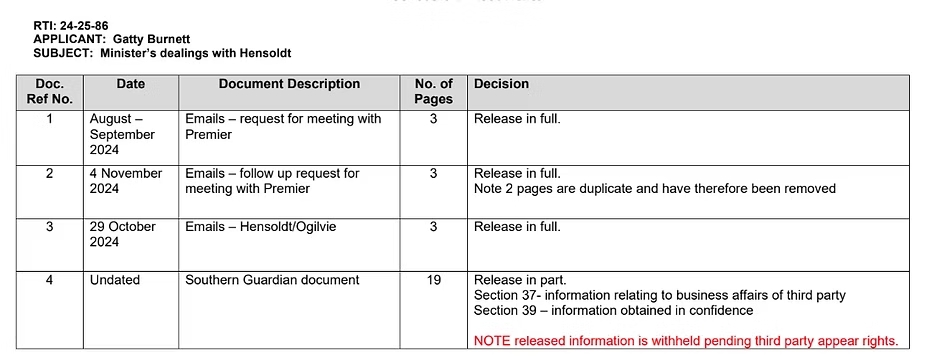
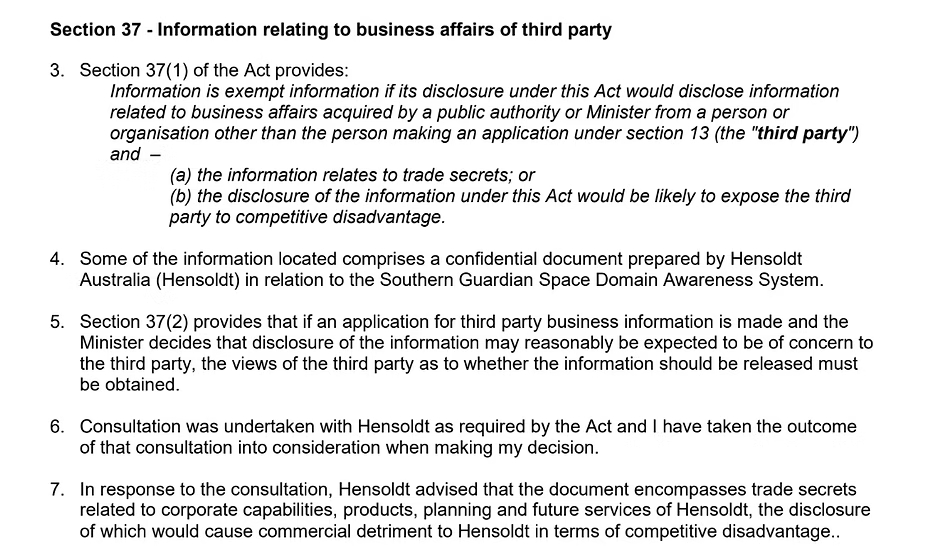
Gatty Burnett (independent candidate, Braddon) announced a policy to “ensure Tasmanians benefit from the billion-dollar industries using their skies, land and communities, starting with the introduction of a Space Resource Rent Tax (SRRT).”
Jiri Lev (independent candidate, Lyons) says he is “fully committed” to a stable government highlighting that Tasmanian voters are facing a dilemma at this election, but did not elaborate on his policies.
Media releases and statements on these issues are reproduced below.

Media release – Tasmanian Association of State School Organisations (TASSO), 1o July 2025
School Communities Deserve Facts, Not Fear
The Tasmanian Association of State School Organisations (TASSO) is urging calm and clarity following rising concerns among families from commentary about the future of their local schools during the state election campaign.
TASSO President John Allan has urged caution, citing growing speculation around school closures, assuring families that no such proposal is currently on the table.
“Despite the headlines, we’ve not seen any tabled policy from the major parties to close schools, or otherwise, in this election campaign,” Mr Allan said.
“Previous stances have been that the government does not close schools, but sometimes politically expedient mandates come with unintended consequences – and could result in more zombie schools, take Ouse District School for example, which has no students.”
TASSO is concerned that a lack of clarity is fuelling fear in communities already under pressure, and is calling for respectful, transparent and evidence-based dialogue about Tasmania’s education future.
“We need to avoid having change forced by stealth with communities kept in the dark.” Mr Allan said. “Under state legislation, any reforms or changes to schools must involve the School Association.”
“Our member School Associations are the voice of the school community, and they must be central to any conversations around structural or operational changes.” Mr Allan continued. “We urge them to champion their community, to weigh up whether or not any future proposed changes would provide positive improvements in educational, economic and/or social impact.”
TASSO strongly supports investment in government education and says that the focus should remain on practical policies that improve student outcomes.
“TASSO want to see policy that boosts the right on-the-ground resources in schools,” Mr Allan said.
“Access to allied health services, and learning support is essential. Our families need greater collaboration with their children’s education, engagement with learning beyond written reports and parent teacher conferences. What they don’t need is political distractions and scaremongering.”
TASSO will continue to advocate for transparent decision-making, community involvement, and strengthening Tasmania’s government school system.
NOTES
- TASSO has released six education priorities for this election, available at www.tasso.org.au.
- There are currently 66 government schools in Tasmania with fewer than 200 enrolments, 28 with fewer than 100, and 12 with fewer than 50. (Source: I305 Student Enrolments by School, with the addition of Ouse District School, which is omitted from the dataset.)
- A majority of the smallest schools by enrolment are in the electorate of Braddon.
- Two new schools, Brighton High School and Legana Primary School have recently opened in Tasmania.
- The Department of Treasury and Finance’s 2024 Population Projections for Tasmania and Local Government Areas project a decline in the number of school-aged children in all but 6 of the 29 local government areas by 2039.
- School Associations are mandated under the Education Act 2016. Section 97 requires the Minister to consult with the relevant School Association, including providing a statement on the likely educational, economic, and social impact of any proposed State school closure.
- A significant round of school consolidations occurred between 2009 and 2014, including:
- Acton, Upper Burnie, and Brooklyn Primary Schools merging to form Romaine Park Primary
- Abbottsfield, Mount Faulkner, and Roseneath Primary Schools merging to form Austins Ferry Primary and Windermere Primary
- Wesley Vale and Moriarty Primary Schools merging to form Andrews Creek Primary
- Claremont High merging into Montrose Bay High
- Brent Street School merging into Glenorchy Primary

Media release – Unions Tasmania, 10 July 2025
Going Once, Going Twice – Parliament House Up for Auction?
Unions Push for Commitment as Government Stalls on Pledge
Tasmanian unions will today stage a symbolic auction of Parliament House – placing a satirical $13 billion reserve on the people’s
building – to highlight the ongoing privatisation risk, as the Tasmanian Liberal Government continues to avoid committing to strong legal protections for public assets and services.
The government recently abandoned its privatisation push after strong opposition from unions and the community. However, it has
yet to sign a widely supported pledge for enforceable safeguards to protect public ownership into the future.
“Privatising public services is not just a policy decision – it’s a risk to lives. We need a government committed to keeping essential
services in public hands,” said HACSU Secretary Robbie Moore.
“Whether it’s a sale or a long-term lease, the result is the same – Tasmanians lose control,” said CEPU Secretary Chris Clark.
“You don’t hand over a profitable public asset for next to nothing and call it good policy.”
‘If the Premier has genuinely changed his position on selling off assets, then he should put pen to paper and sign the pledge’
said Marta Hodul Lenton, Unions Tasmania.
The pledge – signed by candidates from across the political spectrum, including Labor, the Greens, the Nationals and independents,
but not the Liberals – calls for legislation that:
· Requires two-thirds parliamentary approval before selling or leasing public assets
· Mandates rigorous impact assessment for any privatisation
· Establishes strong regulatory oversight of privatised services
· Reviews existing privatised services, with a view to insourcing where appropriate
“Tasmanians deserve strong, effective laws that prevent unchecked sell-offs and outsourcing without proper oversight” said Marta
Hodul Lenton.

Media release – Rail, Tram and Bus Union (RTBU) Tasmania, 10 July 2025
Keep Tasmania’s transport public as new research exposes privatisation risk
The Rail, Tram and Bus Union (RTBU) Tasmania is calling on all election candidates to commit to ruling out public transport privatisation as new independent research validates the union’s key election priorities.
The union warns that any move to privatise Metro Tasmania would be a disaster for workers, passengers and the state’s future.
Tasmania Branch Secretary Byron Cubit said history shows privatisation leads to service cuts, higher fares and worse conditions for frontline workers.
“Public transport exists to serve the community, not to make a profit,” Mr Cubit said. “We’ve seen what happens when governments hand over services to private operators. Routes are cut, fares go up and our members are left with insecure jobs and unsafe conditions.”
The RTBU has launched an open letter and pledge campaign, calling on all candidates in the upcoming state election to commit to three clear priorities:
- Rule out privatisation of public transport, now and in the future
- Preserve existing rail corridors for future transport use
- Invest in a strong, publicly owned transport network
The push comes as new research from the McKell Institute warns that Metro Tasmania fails every test for privatisation.
The report, titled Driving Tasmania’s Future: The Case For Public Transport Investment Over Privatisation, finds Tasmania spends the least per capita on public transport in the country and if the system is sold off, it could worsen outcomes across the board.
The report shows:
- Tasmania spends just 1.1% of its budget on public transport, which is less than half of what other states invest
- Metro Tasmania services are already stretched thin with 180 routes cut last year due to shortages
- Privatisation risks job losses, fare hikes and service reductions
“Privatisation won’t fix our transport system and band-aid fixes aren’t the solution,” Mr Cubit said. “We need long-term strategic investment in a publicly owned system that puts people before profit.”
The RTBU has identified simple solutions that the next government can do to support long-term investment in Tasmania’s public transport system: from cleaning up our aging bus infrastructure, preserving our rail corridors for future use and exploring alternatives such as light rail.
“Our message to every candidate this election is simple: Commit to keeping transport public so Tassie keeps moving.
“These aren’t radical claims, they’re common sense policies backed by solid research.”

Media release – Jeremy Rockliff, 10 July 2025
Expanding quality childcare and early education for Tasmanian families
Access to high-quality, early childhood education and care (ECEC) for working families will be boosted across the State under a re-elected Tasmanian Liberal Government.
Premier Jeremy Rockliff said the Liberals are getting on with the job of supporting working women and families, while giving children the best possible start in life and learning.
“We understand the importance of access to quality childcare, and our plan backs Tasmanian families regardless of where they live or their family circumstances,” the Premier said.
“We’re getting on with the job of delivering more ECEC throughout Tasmania, while Labor is busy copying our homework on programs that already exist.
“Planning for our three supersized Child and Family Learning Centres (CFLC) is well underway, with construction expected to begin at the Scottsdale CFLC next year, while community consultation is expected to begin for the Smithton and Longford CFLCs later this year.
“In the Huon Valley, we’ve listened to the community about their need for more childcare in the region, and we’ll provide the Council with $5 million towards its new 200-place childcare centre.
“In recognising the valuable range of services and supports that CFLCs offer for families and children from 0 to 5 years old, we have also committed up to $3 million to upgrade facilities to support to delivery CFLC outreach services across the Huon Valley, ensuring services are able to reach the children and families who need them most.
“We’re delivering 220 free early learning places each year for vulnerable families under our Working Together initiative, with more than 900 children and families around Tasmania already supported through this program.
“Our free Early Learning for Three Year Olds program is currently being offered at three unique trial sites around Tasmania, including Bruny Island, East Devonport and Fingal, with plans to expand further, including to the West Coast and Flinders and Cape Barren Islands.”
As part of our $10 million commitment to Outside School Hours Care (OSHC), we will increase capacity at Howrah Primary School, which will be the first of many existing OSHC services to expand through this funding.
East Devonport and Zeehan Primary Schools will also receive building upgrades to support the delivery of early years services, with works to commence this year.
“Our Government is assessing an additional ten school sites identified last year, and if suitable, they will be offered to OSHC service providers through an expression of interest (EOI) process,” the Premier said.
“We have already undertaken an audit to identify government land that could be used for the expansion of ECEC services, and an initial EOI process has recently closed.”
We are actively working to address workforce shortages in the early years sector through our Early Years Workforce Development Fund. This fund includes $4.5 million to deliver scholarships to grow the workforce along with relocation and retention incentives for workers in hard-to-staff locations.
To date, 10 scholarships have already been delivered, and a further 10 scholarships will be awarded by the end of 2025.
“We are getting on with the job of delivering more early childhood and care services throughout Tasmania,” the Premier said.
Media release – Jeremy Rockliff, Premier, Jo Palmer, Minister for Education, 9 July 2025
Giving our children the best possible start
Literacy and numeracy teaching will be boosted in Tasmanian schools to ensure our children are learning the basics.
A re-elected Tasmanian Liberal Government will strengthen our commitment to the structured teaching of literacy and numeracy in government schools.
All government primary schools will be required to allocate at least one hour daily to the structured teaching of literacy and one hour to numeracy.
Premier Jeremy Rockliff said learning to read and write is foundational to all other learning.
“We know that for all children to learn to read, write and spell, we must implement evidence-based structured literacy instruction in all schools, which includes phonics, and that’s what we’ve done,” the Premier said.
“By 2026, all Tasmanian students will be taught to read in a systematic and explicit way based on the latest research and evidence.
“We want all Tasmanian children to be able to read, write and add up.
“We are seeing success using these methods here in Tasmania and in other states and systems.
“We’ve made significant progress in lifting literacy rates through our structured literacy policy, with reports confirming that our literacy strategy is working, and students’ outcomes are improving.
“Last year’s Year 1 Phonics Check showed the number of students meeting or exceeding expected phonics achievements in Tasmanian Government Schools has increased by 5 per cent.”
Minister for Education, Jo Palmer, said we want to continue this momentum, which is why we will extend the amount of time students spend learning reading, writing and math, while providing the support required for our hardworking teachers to deliver lessons.
“Currently, primary schools are required to teach one hour of structured literacy a day, and we’ll be leveraging this to add critical math skills as well,” Minister Palmer said.
“We’ll introduce a requirement for a minimum of one hour of structured numeracy each day from 2027, with schools that are ready to transition earlier able to do so.
“We’ll work with school leaders and teachers to ensure schools are properly resourced and supported to implement this.
Media release – Jeremy Rockliff, Premier, Jo Palmer, Minister for Education, 9 July 2025
Cutting the cost of living for families
The Tasmanian Liberals will cut the cost-of-living for families and launch a School Breakfast program statewide.
A re-elected Liberal Government will partner with Variety to roll out a universal School Breakfast Program across all government schools.
This important cost-of-living measure will provide breakfast for all children every day.
Premier Jeremy Rockliff said this will address the cost-of-living while giving children the best start to their learning day.
“We understand that for many families, cost-of-living pressures or household instability can make it hard to provide a nutritious start to the day,” Premier Rockliff said.
“That’s why a re-elected Liberal Government will partner with Variety to deliver the Tasmania School Breakfast Club for schools that wish to participate.
“This is real cost of living support for mums and dads, right across Tasmania.
“For schools that are currently providing their own breakfast program in partnership with the local community providers, they can choose to remain that way, or transition to the new Variety Breakfast Club.
“The Variety model, which is currently being piloted in 40 schools, will offer a simple ‘click and deliver’ platform to provide low-administration, high-impact for schools, reducing the workload on school staff and volunteers.
“Through meaningful cost-of-living measures like this, every child in every government school will have access to a nutritious school breakfast every day.”
Minister for Education, Jo Palmer, said this is such a simple measure that can do so much for so many.
“School breakfast programs are so important for our learners,” Minister Palmer said.
“We’ve heard firsthand from school staff and parents that students are more engaged with their learning when they’ve had breakfast.
“School breakfast programs are proven to lead to better attendance and positive educational outcomes, and I’m really excited to support our learners with the Variety model.
Media release – Jeremy Rockliff, 8 July 2025
Cutting red tape for community events
Holding events on Crown land will be made easier under a re-elected Liberal Government.
As part of the Government’s plan to slash red tape, it will remove the need for individual stallholders and food or drink vendors to hold a single business licence when involved in an event held on Crown land.
Premier Jeremy Rockliff said that the move will facilitate the hosting of events in Tasmania.
“This proposed change builds on the single permit changes the Liberal Government has already commenced work on for festivals and events,” the Premier said.
“One Business Licence will be issued to the Event Holder/Manager as part of the overarching permit.
“This will reduce the amount of time and red tape required to administer and coordinate large numbers of stallholders by the event organiser.
“A perfect example is next month’s Tassie Scallop Fiesta. Instead of 34 individual business licences being issued under the Crown Land Act 1976 (a legal requirement), a single licence would be provided to Council as a Community Event.
“Community events are central to our visitor economy and we will continue to slash red tape, to make it easier to do business in Tasmania.”
The changes follow the Liberals’ plan to establish TasInsure, a new state-owned company set up to provide cost-effective insurance for Tasmanian community groups and events.
“For too long, Tasmanians have been paying mainland prices to cover mainland risk, making it difficult for events to take out the insurance they need to protect Tasmanians,” the Premier said.
“TasInsure will put people over profits and enable community groups to continue hosting events for years to come.”
Media release – Jeremy Rockliff, 10 July 2025
Backing in Derby as a must-visit destination
Derby will continue to grow as a world-renowned destination under a re-elected Liberal Government.
Since the establishment of the Blue Derby Mountain Bike Trail Network, Derby has become a booming destination for the North East.
A re-elected Liberal Government will invest $250,000 towards the Destination Derby Community Master Plan, working with the Dorset Council and the Northern Tasmanian Development Corporation to explore the needs of residents and visitors, while preserving the local character of Derby.
The Master Plan will consider the town’s infrastructure needs, recreational and community assets, and the visitor experience in Derby.
Premier Jeremy Rockliff said there’s no doubt the Blue Derby Mountain Bike Trail Network marked a significant change to the future of the town.
“Derby has been transformed into a mountain-biking mecca, attracting over 60,000 visitors from across the world,” the Premier said.
“This has had a ripple effect across the region and through our state’s visitor economy.
“However, we recognise Derby’s full potential is being constrained through available land, geographical barriers and accessibility to infrastructure.
“This blueprint will provide foundations for the community to ensure ongoing services and infrastructure can continue to meet the needs of this community and its visitors.

Media release – Tabatha Badger MP, Greens Member for Lyons, 10 July 2025
Greens Announce Community Nursing Plan
Access to healthcare in the community and at home is crucial to improving outcomes for Tasmanians and our health system. That’s why today the Greens are announcing our plan to hire an extra 30 community nurses to help deliver the healthcare services needed, where it’s needed.
Community nurses are often an undervalued part of our health system. They play a crucial role in caring for Tasmanians, by supporting people to be discharged home earlier, and preventing readmissions which helps free up space in our hospitals.
Community nurses support people with medication management, wound care, managing chronic diseases, recovery from stays in hospital, and so much more. By being based locally in communities across the state, community nurses can support people at home, or close to home – saving patients difficult or lengthy journeys to access healthcare.
The ANMF says demand for community nursing has grown rapidly in recent years, and existing services can’t keep up, putting further strain on Tasmania’s hospitals. Patients are finding it increasingly difficult to access healthcare in their community.
Everywhere I have visited in Lyons, in the past year as the sitting member and during this election campaign, every other person I speak to has a story of Tasmania’s health system failing them.
The community in Lyons are clearly calling out for improved health services. Tasmanians recognise that health services are more essential than a billion-dollar stadium.
The Greens are listening to the calls from the ANMF, and from the community. We recognise that increasing investment in community nursing will have huge benefits for patients getting the healthcare they need, where they need it. And it will take some of the load off our hospitals too.
Our plan would invest $3.5 million per year to hire 30 new permanent full time community nurses across Tasmania – in our cities, suburbs, and regional towns.
Much needs to be done to fix our health crisis, and serious investment in to community nursing is an essential step that will make a big difference for many Tasmanians. With a new government and the Greens in balance of power we’ll fight to make community nurses a priority over a billion-dollar stadium.
Media release – Vica Bayley MP, Greens Member for Clark, 10 July 2025
Tasmanian Greens Proud to Support Veterans
I’m proud to announce the Greens’ support for the RSL Tasmania’s 2025 State Election commitment priorities.
The Greens are strong supporters of our veterans community. We believe it is critically important for governments to acknowledge the service and sacrifice of veterans and their families with real, meaningful policy that supports people, in increasingly tough times.
The Greens are committing $5.24 million per year to extend state-based concessions currently available to DVA Pensioner Concession Card holders, to DVA Veteran Card holders. This would save the average Veteran Card holder, who does not also hold a Pensioner Concession Card, approximately $1,000 per year.
I am also pleased to also support RSL Tasmania’s calls for:
$1.8 million for RSL Tasmania’s Acute Housing Program;
An annual $1.2 million investment in the VeteranHub model;
Commitments to collaborate on reform and support employment initiatives.
The Greens stand with veterans and RSL Tasmania in calling on all candidates in the election to commit to policies that offer support for people who have given so much to our country.
Media release – Vanessa Bleyer, Greens Member for Braddon, 9 July 2025
Social Housing, Not a Stadium
Liberal and Labor politicians are focussed on building a billion-dollar stadium and protecting corporate profits instead of building the homes Tasmanians need. But the Greens understand real action on the housing crisis should be a top priority for the government, which is why we’re announcing our plan to build 200 public and social homes each year.
Trying to find an affordable place to live has become a nightmare. There’s more people waiting for public housing than ever before, rents keep rising, and homelessness is growing faster than anywhere in the nation. Tasmanians are struggling in the cost of living and housing crisis.
It didn’t used to be so bad, but for years the Liberals haven’t built enough public and social housing. And now Liberal and Labor politicians want to build a billion-dollar stadium in Hobart instead of building homes. It’s not OK – Tasmanians needs a government that puts them first.
Every Tasmanian deserves to have an affordable, secure place to call home. That’s why the Greens have a plan to stop the stadium and make big corporations pay their fair share – so we can improve the budget while also funding areas of critical need, like investing $100 million into building an additional 200 public and social homes a year.
This is a big investment, but we’ve shown with policies costed by Treasury that if the government has the right priorities, it can afford to address Tasmanian’s needs at the same time as bringing down the state’s debt. Building homes is also a critical investment in the future that will support hundreds of jobs across the state, and has huge social and economic benefits.
This announcement, and all of our spending throughout the campaign, has been significantly outweighed by the savings measures we’ve put forward. We’ve already announced $1.2 billion in savings and new revenue this campaign, by making corporations pay their fair share and ending subsidies for vested interests. And that’s not including the massive savings that will come from not building a stadium, or other measures we will announce soon.
With a new government and the Greens in the balance of power, we’ll fight to stop the stadium and invest in the public and social housing Tasmanian’s need instead. Ensuring Tasmanians have affordable housing should be the top priority of the government – not a billion-dollar stadium.
Media release – Helen Burnet MP, Greens Member for Clark, 8 July 2025
Greens’ Plan to Regulate Airbnb
The Liberals have allowed Tasmanian’s rentals to be converted to short stay accommodation for too long. With a new government and in the balance of power, the Greens will put strong limits on short stay accommodation.
A safe and affordable home isn’t just a basic need, it’s a fundamental human right. Trying to find an affordable place to live in lutruwita / Tasmania has become a nightmare. Tasmanians are struggling in the cost of living and housing crises.
It didn’t used to be so bad, but for more than a decade the Liberals have allowed short stay accommodation to expand unchecked across the state. It’s ripped thousands of homes off the rental market, and jacked up the prices of available rentals.
Without proper regulation, the number of Airbnbs have just kept increasing. 1000 Tasmanian homes have been lost to Airbnb in the last four years. Despite promising to introduce a 5% levy on short stays at the last election, the Liberals still haven’t done a thing.
Last election, Labor committed to pause new permits for Airbnbs. We repeatedly asked Labor to recommit to their policy of pausing new permits for Airbnb in Parliament earlier this year, but they wouldn’t. They need to be clear with Tasmanians where they stand now.
The Greens will continue to fight for renters’ rights in the next Parliament, and push for real restrictions on Airbnbs. We’ll put an immediate stop to new whole-home short stays, and phase out existing lists in residential areas in the balance of power.
Greens Back Smoking and Vaping Quit Programs
On behalf of the Tasmanian Greens, I am proud to announce our support of the Cancer Council and Quit Tasmania’s State Election priorities.
There’s been an almost ten percent decrease in Tasmanians who smoke in the last twenty years. It’s the result of support for programs which encourage stopping smoking.
But there’s still so much more to do, and so much more support needed. Tasmania has the second highest rate of smoking across the country, much higher than the national average. Big tobacco is still winning in this state.
Smoking and vaping have serious health impacts for Tasmanians. People who smoke and vape are at increased risk of respiratory illnesses, cardiovascular disease and cancer. On average, almost 559 people die in Tasmania every year because of smoking.
This also puts a further strain on Tasmania’s already struggling health system.
The Greens are committed to the Cancer Council and Quit Tasmania’s election priorities, including:
An increase in core funding of $482,818, bringing the total funding to $1.3 million;
$247,000 per annum funding for the youth-focused anti vaping campaign;
Restoring the $371,000 cut by the Liberals from anti-smoking public education campaign; and Legislative, policy, and practice reforms to tackle black market tobacco, protect children, and help people quit smoking.
The Greens call on all parties to act on the problem of smoking and vaping, and endorse Cancer Council and Quit Tasmania’s election priorities.

Media release – Michael Bailey, CEO, Tasmanian Chamber of Commerce and Industry, 7 July 2025
Urgent action needed to save major industrials
The Tasmanian Chamber of Commerce and Industry (TCCI) is calling for action to save Tasmania’s crucial major industries.
TCCI CEO Michael Bailey said Tasmania’s industrial backbone was under threat and decisive, coordinated action was needed now to avoid devastating consequences for the state’s economy and communities.
“Major industrials like Nyrstar are the lifeblood of our economy,” Mr Bailey said.
“They support thousands of Tasmanian families, contribute hundreds of millions in economic value and form the backbone of critical sovereign capability for Australia.
“Nyrstar alone employs more than 500 Tasmanians and generates over $500 million in economic value for our state. But without swift and serious support, these jobs and the communities behind them are at risk.”
Mr Bailey said that while Nyrstar’s immediate challenges were in the spotlight, broader energy and infrastructure issues were also placing pressure on Tasmania’s industry sector.
“This is not just about one smelter. It’s about Tasmania’s long-term economic security. Transmission costs are rising, energy reliability is under pressure, and businesses are increasingly exposed to global economic volatility. Governments must step up.
“If the Federal Government is serious about strengthening sovereign capability and creating high-value jobs in future industries, then here is a chance to show it.
“We need a coordinated commitment from all sides of politics – state and federal – to back in the industries that have backed Tasmania for decades.
“Tasmania should be positioning itself as a national leader in advanced manufacturing and critical mineral processing. If Tasmania loses any of its major industrials, the entire state will suffer from higher power prices, job losses and the erosion of regional economies. The cost of doing nothing will far outweigh the cost of stepping in.”

Media release – Dean Winter MP, Labor Leader; Ella Haddad MP, Shadow Minister for Health, 10 July 2025
A Fresh Start for Health: First TassieDoc location announced in Burnie
A Dean Winter Labor Government will start TassieDoc and deliver Tasmania’s first 100% free regular doctors’ clinics.
Today, I am proud to announce that the Burnie Health Hub on the North West Coast will be the first confirmed location for a TassieDoc clinic.
TassieDoc will deliver cost of living relief and easier access to the healthcare Tasmanians need by making it 100% free to visit a regular doctor in Burnie. All you’ll need is your Medicare card.
This is part of Labor’s broader plan to open five fully bulk-billed clinics across the state. The clinic will operate with extended hours, including evenings and weekends, and will offer both in-person and telehealth appointments.
The Albanese Labor Government’s Urgent Care Clinics have taken pressure off emergency departments, but a Dean Winter Labor Government will ensure Tasmanians can see a regular doctor for free.
TassieDoc will be run by a State Labor Government and be supported by the Federal Labor Government’s increased investment in Medicare – proving what can be achieved when a State Labor Government and a Federal Labor Government work together with one goal: better health outcomes for Tasmanians.
Labor is also investing in the workforce to make this plan work – offering scholarships for midwives and incentives to recruit and retain doctors across the state – ensuring quality care is available in every community.
After 11 years of the Liberals, Tasmanians shouldn’t have to wait any longer to see a doctor for free.
Media release – Dean Winter MP, Labor Leader; Ella Haddad MP, Shadow Minister for Health, 9 July 2025
A Fresh Start for Health: activating our regional hospitals
After 11 years of Liberal neglect, we have 18 regional hospitals across Tasmania that are under-utilised – it’s time for a fresh start.
A Dean Winter Labor Government will activate these valuable facilities and put a nurse-led clinic in every regional hospital across Tasmania – and deliver faster, more accessible care to regional communities.
Labor’s Nurse-First Regional Clinics will operate like urgent care centres, but be led by nurse practitioners and supported by a team of allied health professionals.
This initiative will mean that the treatment of sports injuries, stitches, and assessments of sick kids, as well as routine health services can all happen in local communities rather than in our overcrowded major hospitals – making healthcare more accessible to Tasmanians living in regional centres.
Labor will:
Immediately begin recruitment for a nurse practitioner position in every hospital, so services can begin expanding as soon as possible.
Provide $1 million per year to allied health outreach services such as physiotherapists, psychologists, occupational therapists, dietitians, and podiatrists.
Expand prenatal checks to support women and families locally, reducing travel time, cost and stress.
Labor’s Nurse-First Clinics will begin rolling out in the first year of government, with priority locations to be identified in consultation with local communities and healthcare providers.
Tasmanians deserve access to good quality healthcare – no matter they live – and Labor’s plan will ensure that they can access it.
The 18 local health facilities are:
-
Beaconsfield District Health Service
-
Flinders Island Multi-Purpose Centre (Whitemark Hospital)
-
George Town District Hospital and Community Service
-
King Island District Hospital
-
West Coast District Hospital
-
Smithton District Hospital
-
North Eastern Soldiers Memorial Hospital (Scottsdale)
-
New Norfolk District Hospital
-
Midlands Multipurpose Centre (Oatlands)
-
Campbell Town Health and Community Service
-
Tasman Multi-Purpose Centre
-
St Helens District Hospital and Community Centre
-
St Marys Community Health Centre
-
May Shaw Health Centre (Swansea)
-
Deloraine District Hospital
-
Toosey Aged and Community Care (Longford)
-
Huon Regional Centre
-
Esperance Multi-Purpose Health Centre (Dover)
Labor to deliver free doctor clinics across Tasmania
Right now, there are zero 100% free regular doctors’ clinics in Tasmania. Tasmanians need cost of living relief and more access to the health care they need. This plan from Labor will deliver both.
Our Urgent Care Clinics are great – but they are for urgent care – not regular doctor services. A Dean Winter Labor Government will start TassieDoc – to give Tasmanians a Fresh Start and ensure they can see a regular doctor for free.
We will open five new, 100% free, fully bulk-billed doctors’ clinics across the state. These clinics will be in the north, north-west and south, where there is a clear community need.
They will be supported by Federal Labor’s increased investment in Medicare and the Tasmanian Government will run them and provide extra support.
We’ll provide the clinic and consulting rooms, and they’ll be staffed by doctors who will 100% bulk bill. All Tasmanians will need is their Medicare card.
These clinics will operate with extended hours including evenings and weekends – in person or via telehealth – to ensure Tasmanians can make the most of them.
We know that a doctor shortage is part of the problem, so we’ll also provide incentives for 150 additional doctors to live and work in Tasmania. Practices will receive grants to take on and retain doctors – helping to grow our local health workforce in both urban and rural communities.
The first TassieDoc clinics will be operating before the end of the year – because after 11 years of the Liberals, Tasmanians shouldn’t have to wait any longer to see a doctor for free.
“Every patient, no matter their postcode or income, deserves access to high-quality care from a GP who knows them, and their history.
Labor will secure Nyrstar’s future
A Dean Winter Labor Government will make up to $25 million available to secure the future of more than 500 jobs at Hobart’s zinc works.
This will be a fair contribution from Tasmania for a joint package involving the Federal and South Australian Government, and will be funded by reallocating the state’s previous $20 million commitment to the company.
On day one of my leadership, I said Labor stands for safe, secure, well-paid jobs. I will not stand by and let 500 Tasmanian families lose their incomes and the careers they’ve worked to build.
The flow-on effect of any closure would be devastating for the Tasmanian economy.
I have spoken to the Prime Minister, Federal Minister for Industry, unions and the company and outlined our support. I have also made clear that I will provide my full support should any agreement need to be finalised during the caretaker period.
It is clear to me that the cost of not supporting Nyrstar will be greater than the cost of supporting it.
The loss of hundreds of jobs and the flow on impact to contractors and reliant businesses would devastate the local economy as well as jeopardise the viability of other industrials.

Media release – Dr Meg Creely, Vice President of the Australian Medical Association (AMA) Tasmania, 10 July 2025
AMA TASMANIA WARNS AGAINST COMPROMISING PATIENT SAFETY WITH NURSE-LED CLINICS
AMA Tasmania Vice President Dr Meg Creely has today voiced strong opposition to Labor’s planned nurse-led clinics.
“It takes 10 – 12 years to train a GP.
“Tasmanians know and trust the care that they receive from specialist doctors.
“You cannot replace doctors without compromising patient safety.
“Nurse practitioner-led clinics put patients at risk by replacing doctors with less trained staff.
“Serious conditions may be missed or mismanaged without a doctor’s oversight.
“Patients deserve the safest care no matter where they live in Tasmania, and that means care led by fully qualified doctors.
“Initiatives like this just fragment care and are not good for patients.”
Instead, Labor should be directing the limited health dollar towards initiatives that support team-based care, with the doctor providing medical oversight.
“We want more GP and specialist doctor lead collaborative care, not less.
“AMA Tasmania does not support any further fragmentation of care and the development of two-tier systems.”
Regional hospitals often have a close link to the local general practice; this relationship needs to be supported, not fragmented.

Newsletter item – Shelter Tasmania, 9 July 2025
Solving Tasmania’s Housing Crisis: The key challenge for Tasmania’s next government
With the state election fast approaching (19 July 2025), Shelter Tas has written to all major parties and candidates to outline five key asks, also providing background evidence that can inform decision makers about the reasons for these priorities. Thank you to the Shelter Policy Committee and members for your valuable feedback in shaping and refining our five key asks.
Essentially, we are seeking political commitment to resolve the housing crisis. We’ve already met with several key candidates and parties to advocate for real action on housing, should they be elected. Over the next week, we’ll continue to push for our sector’s priorities to remain front and centre in the campaign.
Our key election asks:
1. Reverse the housing crisis with a 10% social and affordable housing target:
- Commit to increase social and affordable housing from 6% – 10% in all regions of Tasmania to meet community need and address homelessness.
- Preserve and boost the current State commitment to build 10,000 new social and affordable houses by 2032.
- Reverse the drift of homes to short-stay accommodation through managing the impacts of the long-term residential private rental market
2. Increase funding for homelessness services
Support a 20% increase in funding for frontline services to meet the record levels of demand (as adopted in Western Australia and Queensland).
3. Meet the housing needs of women, children and young people
- Ensure adequate social and affordable housing and support for women and children escaping family violence and facing homelessness
- A dedicated youth response with targets to provide appropriate housing and support for young people at risk of homelessness and young renters
4. Provide greater support for renters
- Complete an immediate review of the Residential Tenancy Act 1997, to provide better housing standards and increased protections for Tasmanian renters
- Invest $1.5M per year in tenancy sustainability and support services
5. Strengthen the sector by increasing funding for specialist skills development
Commit to fund Shelter Tas’ highly successful Workforce Development Program $150,000/year to 2028, so it can continue to effectively build the capacity and sustainability of the Tasmanian housing and homelessness sector.
Go to the Shelter Tas website for more details of our election priorities.

Media release – Jake Smith, CEO, Tasmanian Aboriginal Legal Service, 8 July 2025
PRISON VOTING RIGHTS
The Tasmanian Aboriginal Legal Service today welcomed the efforts of the Tasmanian Prison Service and the Tasmanian Electoral Commission to enable eligible prisoners to vote in the upcoming State Election.
“Every person in this state should have the right to vote – that is a fundamental democratic right, and we are pleased that the Prison Service and Electoral Commission have worked to improve voting access for those in custody,” TALS CEO Jake Smith said.
“This progress ensures that more people can have their say in shaping the future of our state – for themselves, their families, and their communities”
Mr Smith said TALS also supports Custodial Inspector Richard Connock’s call for changes to the laws that currently prohibit people serving sentences of three years or more from voting.
“This continues to be a significant issue in Tasmania and must be addressed.
“Aboriginal people are over represented in Tasmania’s prisons, despite long-standing government commitments to reduce incarceration rates. As a result, these voting restrictions have a disproportionate and discriminatory impact on our people.
“As the legal service for Aboriginal people in Tasmania, we work with clients from the north to the south of the state – and we know our communities want to have their say. They want their voices to be heard and have influence on the laws and policies that directly impact them, their children, and future generations.”
TALS supports the push for legislative reform to ensure the right to vote for all people in Tasmania, including those in custody. Ensuring this fundamental right is accessible is a necessary step toward justice, equity, and community participation.

Fruit industry calls for a competitive payroll tax ahead of the State election.
Fruit Growers Tasmania has reiterated its call that the major parties and independent candidates heed industry’s plan for a competitive payroll tax.
The Tasmanian fruit industry is seeking a decrease in the payroll tax rate for the agriculture industry in regional Tasmania from 6.1 per cent to 1.2 per cent to match the rate of regional Victoria.
“This election should be about choosing a future Tasmanian government that will strike the right balance between affordable taxing and charging, and affordable spending,” Peter Cornish, Fruit Growers Tasmania CEO said.
“It’s about better determining where government involvement adds significant value to Tasmanians and where it should be less involved because the outcome doesn’t justify the cost. It’s about determining what is affordable.
“Whatever government decides to spend our money on, we need to pay for it. So, it had better be justified – whether it’s a tax or charge, a service or expenditure.
“And while governments do the heavy lifting in education and health, welfare, law enforcement, aged care, the environment, infrastructure and much more, it’s the private sector that drives economic activity and pays the bills. Governments don’t pay their own bills.
“The Tasmanian fruit industry is one of those private sector industries that pays the bills, invests in machinery, equipment, services and trees and employs thousands of people. It’s also one of Tasmania’s comparative advantages because we grow exceptional fruit, but it’s expensive to grow here, more expensive than mainland Australia.”
The Tasmanian fruit industry employs over 10,000 people and grows over $325 million worth of fruit each year, to the enjoyment of locals and visitors alike, while also sending fruit to mainland Australia and countries all over the world.
And the fruit industry employs those 10,000 people in regional areas, from Campania to Cressy, Lebrina to Lymington, Riana to Ranelagh and Westerway to Westbury.
The fruit industry also pays over $10 million in state payroll tax each year. That’s $1,000 a person whether full time or part time, seasonal or ongoing. And it’s dragging the industry back and restricting further growth and job creation.
Peter added, “For some of our fruit growers, payroll tax is the third highest cost they face after wages and superannuation. And it’s the Tasmanian Government’s decision to levy the third largest cost on those growers.
“Regional Victoria is the key competitor to Tasmania’s fruit industry – they grow in the same season as Tasmanian growers. The Victorian Government supports their growers through a lower rate of payroll tax for the regions. A large Tasmanian grower with a payroll of $10 million will pay over $500,000 in Tasmanian payroll tax compared to the $110,000 their regional Victorian counterpart pays – almost 5 times as much!”
The Tasmanian Government raises over half a billion dollars in payroll tax each year.
Last year Tasmanian payroll tax grew by $34 million, and by 2028-29 will have grown by $200 million, or more than a third. Tasmanian industry simply can’t afford that impost.
“If any Tasmanian Government wants to balance their budget or even restrict budget deficits they need to grow the private sector,’ said Peter. “It won’t do that with a payroll tax of 6.1 per cent. The highest payroll tax rate in the country!
“Payroll tax is a disincentive to employ more people. More employment means more families and a higher population. So, high payroll taxes do nothing for population growth.
“Taxes are not meant to create distortions, but payroll tax does. Not only does it discriminate against businesses who create more jobs, but it also makes our industry less competitive against interstate producers.
“Being less competitive means less investment in Tasmania and more interstate. It means our growers who have land set aside for future growth will not develop it. Less investment will mean less jobs and a smaller tax base. That won’t help to balance the budget nor help future Tasmanian governments to pay their bills,” Peter concluded.

‘Speak about the unspeakable’: Independent candidate calls for major child safety reform
A new law should be introduced making non-fatal strangulation of a child a distinct crime. That’s the call from Jack Davenport, Independent for Bass, who has included the proposal in a Ten-Point Plan he has introduced, outlining suggested reforms to the child safety system in Tasmania.
A social worker with over 15 years’ experience working in child protection, Mr Davenport also identifies as a Survivor of child sexual abuse. He cites his own childhood experience of non-fatal strangulation as being a major influence on his call for change.
’It’s difficult to talk about this, especially details of my abuse, so candidly,’ he says. ‘But being able to speak about the unspeakable is sometimes necessary to highlight the danger to children. We need to change the conversation about child sexual abuse and raise awareness, even if it means facing some unpalatable truths.’
The crime of strangulation against a person was introduced in Tasmania in 2022, in response to its prevalence in family domestic violence, especially against women. The health impacts for non-fatal strangulation can be severe, and have been linked to acquired brain injuries, seizures, and paralysis. The crime carries a maximum sentence of 21 years in Tasmania.
Research was published this year in the academic journal Child Abuse & Neglect, showed that non-fatal strangulation occurred in 5% of sexual abuse cases, with an upward trend. The research, conducted in the UK, also highlighted the lack of studies about the prevalence of strangulation with regard to children.
Mr Davenport says the recent research demonstrates the importance of acknowledging the existence of non-fatal strangulation in cases of child sexual abuse.
‘I remember my experience as a child – the fear, the confusion, and the shame. The constant trauma of reliving my abuse was with me for a long time. It lives with me still, but I have been fortunate to find effective ways to manage its impact.
‘With so little information out there, I have wondered if my experience was an outlier rather than a more common experience of Victim-Survivors, and how many may suffer in silence.
’There’s a lack of research about experiences for children like mine, but it is becoming clearer that this is a distinct issue, and we should reflect the seriousness of that in law. We need greater recognition of this in providing support for Victim-Survivors, increased funding for trauma-based therapy and counselling, and specific training for medical practitioners, police, and child safety officers.’
Drawing off his experience working in other states in Australia and the UK, Mr Davenport’s Plan also includes introducing mandatory requirements for the government to complete care plan reviews every 12 months for children in out-of-home-care, and decentralising the child safety system by placing individual workers in local areas to work directly with families in community.
Acknowledging that the list is not comprehensive and that some proposals are significant in scale, Mr Davenport accepts that his plan might not be well received by everyone.
‘I know some of these proposals would involve significant reform of practice and organisation. It can seem daunting, but if it at least opens up the conversation about new ways to keep children safe in Tasmania then it’s a start.’
The Commission of Inquiry into the Tasmanian Government’s Responses to Child Sexual Abuse in Institutional Settings made 191 recommendations for reform in 2023. The Ten-Point Plan is in addition to these recommendations.
‘Whether I am elected or not, I will keep fighting for what matters to make Tasmania a safer state for children.’
Authors Note – the media release above includes comments relating to lived experience of child sexual abuse

Media release – David Lloyd, CEO, Heart Foundation, 9 July 2025
Heart of the Matter: Heart Foundation calls for vital election commitments for Tasmania
As the snap Tasmanian state election approaches, the Heart Foundation is calling for all parties and candidates to commit to three key actions to tackle the state’s biggest killer: heart disease.
According to the Tasmanian Department of Health:
1,300 Tasmanians die each year from cardiovascular disease.
In 2023, 8,850 people were hospitalised for heart related reasons.
Tasmania has a 13% higher prevalence of heart disease than the national average.
The Heart Foundation is calling for investment in three cost-effective initiatives that will, with support from the next Tasmanian Government, ensure that everyone in the state can have the help they need to prevent, detect and/or manage their heart health.
The initiatives are:
PREVENT: A targeted public awareness campaign for heart health
TREAT: A fully funded and operated Northern Heart Centre
MANAGE: An expansion of the MyHeart MyLife digital support program
“The Heart Foundation is calling on the next Tasmanian Government to back a bold, life-saving vision for heart health across the state. With heart disease remaining Tasmania’s leading cause of death, now is the time for decisive action and investment to turn the tide.
“These initiatives are aligned with the 2024 Tasmanian Cardiac Strategy’s approach to delivering change for Tasmanians and will help reduce the burden of cardiovascular disease for Tasmania’s people, health system and economy.”
“These initiatives are ready to go. All they need is the political will to make them a reality. We call on all parties—and especially the party that forms the next government—to commit to these vital heart health investments,” said David Lloyd.

Media release – Gatty Burnett, independent candidate for Braddon, 10 July 2025
Space Resource Rent Tax – Is Space Tasmania’s Next TasPorts Debacle
Braddon candidates Gatty Burnett and Melissa Wells are calling for a bold new policy to ensure Tasmanians benefit from the billion-dollar industries using their skies, land and communities, starting with the introduction of a Space Resource Rent Tax (SRRT).
Without a Space Resource Rent Tax and real-time disclosure, Tasmania risks repeating the TasPorts debacle—this time in orbit.
“Right now, powerful corporations and military-linked contractors are using Tasmania’s strategic location for satellite tracking, signal collection, and surveillance infrastructure,” said Gatty Burnett. “They’re making profits from our geography and the public gets nothing but secrecy in return.”
THE SPACE RESOURCE RENT TAX: WHAT IT DOES
The proposed Space Resource Rent Tax would:
• Place a public-interest levy on private or foreign space infrastructure profiting from Tasmania’s land, airspace or orbital corridors
• Apply to satellite tracking stations, data relay hubs, launch support operations,and space surveillance installations
“Tasmanians pay rent to live here. Why don’t the corporations harvesting our airspace and coastlines for data and profit?” asked Melissa Wells. “It’s time we made them pay their share.”

Media release – Media release – Jiri Lev, Independent Member for Lyons, 10 July 2025
Lev committed to stable government
Tasmanian voters are facing a dilemma: Most don’t want a showy stadium in the historical centre of Hobart, when more affordable options exist. They want a high level of transparency in politics, which major parties persistently reject. But at the same time, they want stable government, economy and certainty around healthcare, housing, education and cost of living.
Both Liberals and Labor say single-issue independents will mean more chaos. Reading through some of the independent candidates’ profiles devoid of realistic policies, this could seem a fair assessment.
However, there are exceptions. Architect and independent candidate for Lyons, Jiri Lev says he is “fully committed” to a stable government.
“My policies are broadly compatible with the two major parties. Rather than stubborn opposition or own extremist ideas, I keep my focus on realistic improvement. My policies are about environmental protection, far better housing and planning, realistic spending and complete transparency,” Lev says.
While he welcomes a potential cooperation with a major party, he is upfront and firm in several areas: “I know that my supporters vote for me to avoid building an unnecessarily costly stadium in the wrong place. They rely on me for sound environmental protection. They expect me to table innovative housing and planning policies. And they want complete political transparency. I will be glad to cooperate with a major party that understands and accept my platform.”
Lev is less optimistic about teaming up with the Greens, saying that “while they clearly care for the environment, their social policies are not realistic, as if grounded in a parallel universe” and “concerningly similar to the communist regime he experienced as a child, complete with the suppression of free expression and dissent.”
“If you have been a Labor or Liberal voter, but desperately wish they did a better job in critical areas such as housing and environment, voting for me at this election is one way to correct the trajectory of the major parties,” closes Lev.
Tasmanian Times (TT) is a community-based news and current affairs service covering the island state of Tasmania. It exists to provide a diverse view of Tasmanian issues. TT creates and supports independent media content utilising the best of modern technologies and tried-and-true practices of public-interest journalism.
Support us in expanding our coverage and developing new content by and for Tasmanians.
New initiatives on the way include:
-
- a weekly podcast covering current affairs
- a revamped website
- a monthly cartoon competition
- a user-friendly app for both Android and Apple devices
- a weekly roundup of key stories