zzSPECIALPOSTzz
What is Human-in-the-Loop Automation?

Advertisement / Sponsored Content
This content is paid advertising and has been prepared in collaboration with the advertiser.
This post remains active as a legacy issue and is being phased out from January 2026.
Tasmanian Times no longer accepts requests for paid content or advertorials.

In today’s fast-paced digital environment, businesses are increasingly turning to automation to
manage vast quantities of data, streamline processes, and improve operational efficiency. While
automation and artificial intelligence (AI) offer substantial benefits, fully automated systems often
face limitations, especially when managing complex, nuanced, or exceptional scenarios. This is
where the human-in-the-loop (HITL) approach comes into play, combining human insight with
automated processing to deliver optimal outcomes.
But what exactly is Human-in-the-Loop Automation, how does it function, and why is it crucial for
businesses aiming for precise, adaptable, and intelligent automation?
Understanding Human-in-the-Loop
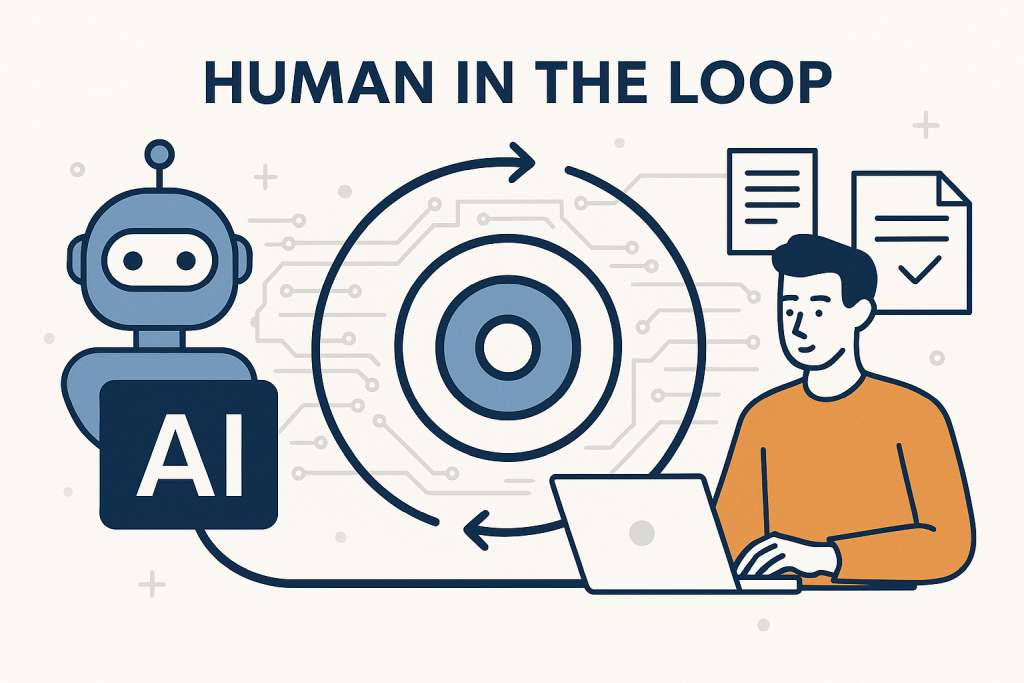
Human-in-the-loop automation is a model where human judgment complements automated
processes. In simple terms, it involves people intervening at specific points within automated
workflows, usually when the system encounters something it cannot confidently resolve on its own.
This approach harnesses human intelligence and creativity alongside the efficiency and speed of
automation.
At its core, a human-in-the-loop approach ensures that automated systems are never solely reliant
on their algorithms. Instead, humans validate outputs, make adjustments, and resolve exceptions,
thus continuously refining the AI models. The combination results in more accurate, reliable, and
robust outcomes.
How Does Human-in-the-Loop Automation Work?
Human-in-the-loop automation typically involves these core stages:
– Initial Automation
First, automated systems powered by AI or machine learning handle the majority of repetitive tasks
and straightforward scenarios, quickly processing large volumes of data and documents.
– Exception Identification
When an automated system encounters complex or ambiguous data, or cases it hasn’t seen before,
it flags these exceptions for human review. These might include unclear handwriting, incomplete
information, inconsistent formatting, or complex legal terms that require human interpretation.
– Human Review and Validation
Specialists review the flagged items and make necessary corrections or clarifications. Human
reviewers leverage their domain expertise and judgment to resolve ambiguities and anomalies that
automated systems cannot confidently handle.
– Feedback Loop and Learning
Once human reviewers correct or validate an exception, their input is fed back into the automated
system. This continuous feedback helps train the AI models, enabling them to learn and improve
their accuracy for future operations. Over time, the automated system becomes smarter and more
adept at handling increasingly complex scenarios.
Benefits of a Human-in-the-Loop Approach
The human-in-the-loop method offers numerous strategic benefits:
Improved Accuracy and Quality
Humans are excellent at interpreting context and subtleties. By incorporating human insights into
automated processes, businesses significantly reduce errors and improve overall quality.
Enhanced Adaptability
Automated systems alone can struggle with change and unexpected scenarios. Human oversight
ensures flexibility and adaptability, enabling businesses to handle unusual situations quickly and
effectively.
Continuous Learning and Improvement
Integrating human feedback directly into automated systems continuously enhances the
effectiveness of AI models. Businesses thus benefit from systems that improve over time, becoming
more accurate, efficient, and capable.
Compliance and Risk Reduction
In heavily regulated industries such as finance, healthcare, and insurance, ensuring compliance and
accuracy is critical. Human-in-the-loop solutions mitigate compliance risks by validating sensitive
decisions, maintaining detailed audit trails, and reducing errors that could lead to regulatory
breaches.
Customer Satisfaction
Improved accuracy and responsiveness directly translate into enhanced customer experiences.
Human oversight helps businesses deliver more reliable, timely, and personalised services,
significantly boosting customer satisfaction and loyalty.
Real-World Applications of Human-in-the-Loop
The HITL approach applies widely across various industries. Some key examples include:
- Insurance: Handling complex claims processing, policy verification, and fraud detection,
where humans validate complicated or ambiguous cases flagged by automated systems.
- Finance and Banking: Verifying transactions, managing loan approvals, and detecting
potential fraud or compliance issues that require expert judgement.
- Healthcare: Reviewing complex medical records, interpreting ambiguous diagnostic data,
and ensuring accuracy in patient record management.
- Logistics: Managing anomalies in shipping documents, resolving discrepancies in manifests,
and ensuring compliance with international customs requirements.
- Retail and Customer Service: Human reviewers resolving complex customer service
interactions, verifying unusual orders, and handling special cases flagged by automated
systems.
Implementing Human-in-the-Loop Automation Effectively
For successful human-in-the-loop deployment, businesses should consider the following best
practices:
Define Clear Workflows
Clearly define the points at which human intervention is necessary. A well-designed workflow
ensures that human involvement is efficient, targeted, and impactful.
Select Suitable Technology
Choose platforms specifically designed for HITL automation, ensuring seamless integration between
human operators and automated systems. Platforms such as Netfira’s Human-in-the-Loop
Automation in conjunction with Intelligent Document Processing offers robust capabilities to
facilitate effective human-AI collaboration.
Provide Adequate Training
Human reviewers should have appropriate training and domain knowledge to handle complex
exceptions effectively. Continuous training and clear guidelines help maintain consistency, accuracy,
and productivity.
Establish Robust Feedback Loops
Ensure effective mechanisms for capturing human feedback and integrating it directly into the
automated processes. Feedback loops help automated systems learn faster, improving performance
continuously.
Monitor and Refine
Regularly monitor performance metrics and identify areas for improvement. Continuously refining
the balance between human intervention and automated processing maximises efficiency and
effectiveness.
The Future of Human-in-the-Loop Automation
As AI technology evolves, human-in-the-loop automation is poised to become even more critical.
Businesses are increasingly adopting intelligent automation solutions that blend the strengths of
human judgment and AI efficiency. Future innovations in machine learning, advanced analytics, and
natural language processing will expand the capabilities of HITL automation, allowing businesses to
manage even more complex tasks with greater confidence.
Netfira’s human-in-the-loop automation defines how intelligent automation technologies effectively
integrate human expertise to deliver consistent, accurate results. By leveraging these advanced
solutions, organisations can achieve greater operational efficiency, accuracy, compliance, and
adaptability.
The human-in-the-loop approach represents an ideal synergy of human intuition and automated
efficiency. It is essential for businesses seeking the best of both worlds—automation’s scale and
speed combined with human insight’s precision and adaptability. Adopting human-in-the-loop
automation ensures businesses are prepared for complexity, capable of continuous improvement,
and ready to deliver superior customer experiences.
Advertisement / Sponsored Content — This content is a paid advertorial published in consideration of payment or other commercial benefit. The views, claims, statements, offers and representations are those of the advertiser and do not necessarily reflect the views of the publisher, which does not endorse or verify them. This material is provided for general promotional information only and does not constitute legal, financial, medical, investment or other professional advice; readers should make their own enquiries and seek professional advice before acting. Claims, testimonials and performance statements have not been independently verified unless stated. Offers and availability are subject to change and additional terms. This advertorial may contain links to third-party websites and the publisher may receive commissions or other benefits from reader engagement; the publisher is not responsible for third-party content or fulfilment. To the maximum extent permitted by Australian law, the publisher disclaims liability for reliance on this content, and nothing limits rights that cannot be excluded under the Australian Consumer Law. Where applicable, this advertorial is authorised by the advertiser and does not constitute independent editorial content.