
Advertisement / Sponsored Content
This content is paid advertising and has been prepared in collaboration with the advertiser.
This post remains active as a legacy issue and is being phased out from January 2026.
Tasmanian Times no longer accepts requests for paid content or advertorials.
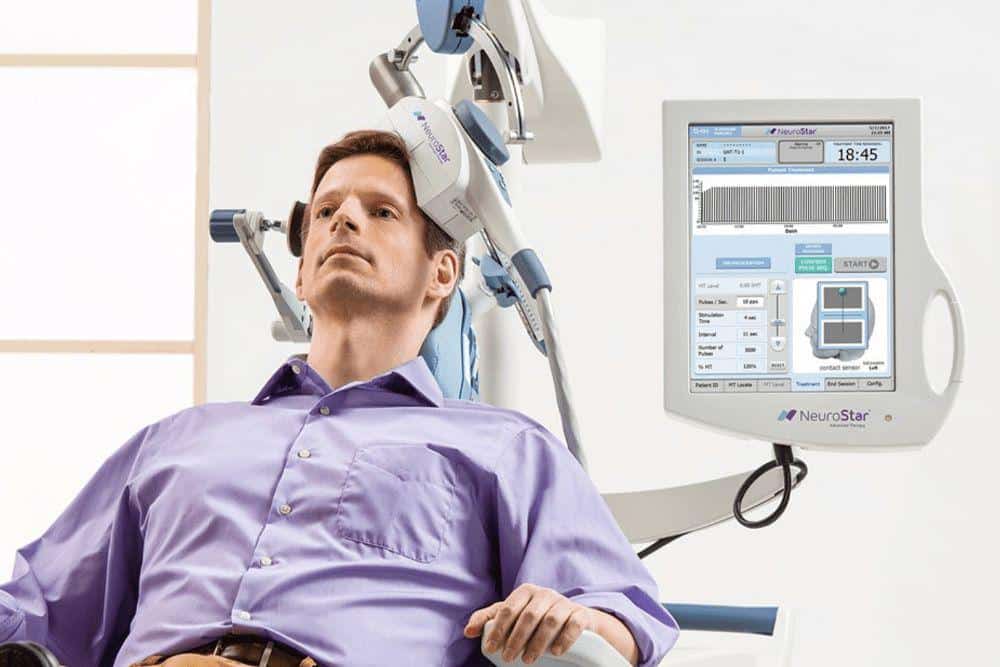
Millions of people across the world experience depression as one of the prevalent mental health conditions. The standard treatments through drugs and therapeutic sessions help several people battle depression yet they cannot help all patients seeking relief.
Transcranial Magnetic Stimulation (TMS) stands as one of the most promising alternative treatments which developed due to the inadequate results of traditional methods. Patients who have not succeeded with conventional depression treatments find TMS depression treatment as an acknowledged noninvasive solution.
People who experience treatment-resistant depression should investigate the methods and advantages of TMS therapy because this approach seems to be a favourable solution for numerous patients. Follow this link for more https://www.kitsapsun.com/story/news/2025/03/19/tms-therapy-addresses-severe-depression-at-kitsap-mental-health/82501834007/.
What is TMS Depression Treatment?
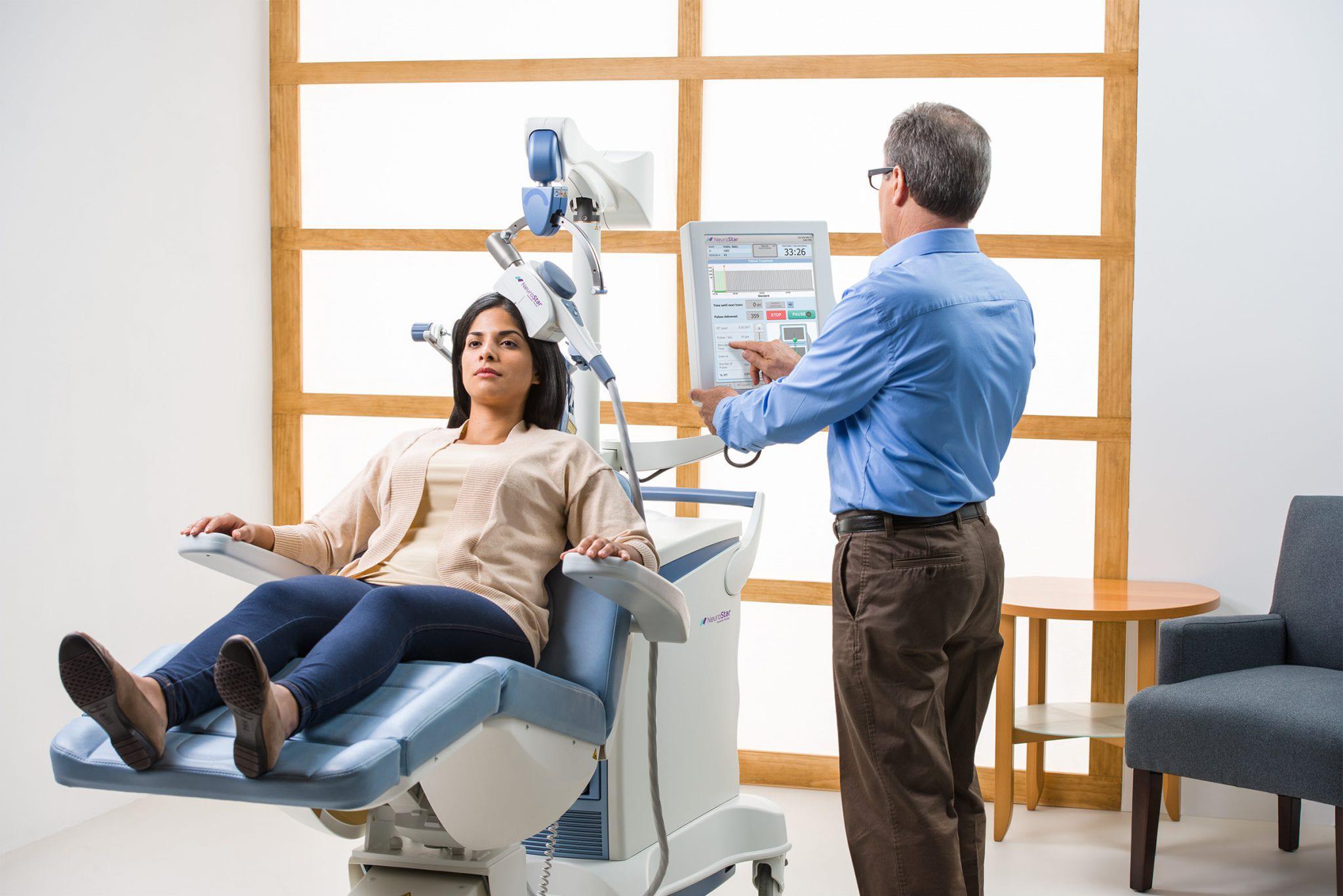
TMS stands as a brain stimulation technique which treats depression by applying magnetic pulses toward areas that control mood in the brain. Nerve cells in the prefrontal cortex where depression often leads to under-activity respond to magnetic pulses as part of TMS therapy. The mild brain stimulation through TMS therapy brings back healthy neural operations which produces better mental health and wellness.
Patients treated with TMS avoid the severe side effects common with electroconvulsive therapy (ECT) because TMS therapy excludes electrical shocks and anaesthesia as well as prevents memory loss in patients.
Each individual receiving this treatment needs only to seek outpatient care before proceeding with the care that enables them to immediately carry out their daily activities. You can check out SollusHealth.com to understand more about this procedure.
How Is TMS Operated?
The patient usually has a specific magnetic coil put on their head, close to the forehead, during a transcranial magnetic stimulation session. This coil is designed to activate specific areas of the brain by delivering repeating magnetic pulses through the skull. Most patients report feeling only little pressure, like a gentle tap on the head, during the procedure, which is completely painless.
Five sessions weekly for four to six weeks constitute a complete course of treatment; each session lasts around thirty to forty minutes. Although everyone reacts differently, many report feeling better emotionally after only a few weeks of therapy. Follow this page for more.
Who Can Benefit from TMS Therapy?
People whose depression has not responded to conventional antidepressant medicine or therapy are a good candidate for this procedure. For those who have serious adverse effects from antidepressants, this is another good alternative to medication.
Various medical illnesses, including depression, anxiety disorders, post-traumatic stress disorder (PTSD), obsessive-compulsive disorder (OCD), and chronic pain, are being investigated by researchers as possible TMS treatments. Investigations into TMS therapy’s efficacy in mental health care are ongoing.
Benefits of TMS Treatment
When other medications have failed to alleviate symptoms, TMS can be a lifesaver. Mood, vitality, and capacity to participate in daily life are all areas where many patients report substantial changes after TMS treatment.
Unlike antidepressant drugs, TMS therapy does not cause any serious side effects, which is a huge plus. For some people, the long-term treatment of depression can be challenging because to the common side effects of traditional methods, such as weight gain, exhaustion, nausea, and sexual dysfunction. The majority of patients report only minor discomfort during TMS sessions, suggesting that the treatment is generally well-tolerated.
Patients who desire a successful treatment without interfering with their everyday routines may find TMS to be an appealing alternative because it does not necessitate hospitalisation or sedation. Patients are free to drive themselves home, get back to work, or resume their regular routines after each session.
How Safe Is TMS?
There has been a plethora of research on the efficacy and safety of TMS, and the FDA has approved it as a treatment for depression. It is well-tolerated by the majority of patients, and the side effects are usually not severe. Headaches and scalp pain are common side effects, although they typically go away after the first few treatments. TMS is of the safest brain stimulation treatments currently accessible because severe side effects like seizures are very infrequent.
What to Expect from This Treatment?
After a few weeks of TMS treatment, many people notice that their mood, energy, and motivation are slowly getting better. Some people get long-lasting benefits, while others may need to go back for follow-up lessons every so often to keep the effects going.
Not all people with depression will react the same way to TMS because depression is a complicated illness. However, clinical studies show that a large portion of patients experience long-lasting symptom relief. This makes it an appealing option for people who are depressed.
What Does the Future Holds for TMS?
As more is learned about mental health, TMS is becoming more widely accepted as a standard way to treat sadness. TMS therapy is becoming easier for people who need it to get because more insurance companies are starting to pay it. TMS is also being studied to see how it can be used to help other mental health problems, which would make its benefits even greater.
As technology improves and we learn more about how the brain affects mental health, TMS is likely to become an even more popular and useful therapy in the years to come.
Advertisement / Sponsored Content — This content is a paid advertorial published in consideration of payment or other commercial benefit. The views, claims, statements, offers and representations are those of the advertiser and do not necessarily reflect the views of the publisher, which does not endorse or verify them. This material is provided for general promotional information only and does not constitute legal, financial, medical, investment or other professional advice; readers should make their own enquiries and seek professional advice before acting. Claims, testimonials and performance statements have not been independently verified unless stated. Offers and availability are subject to change and additional terms. This advertorial may contain links to third-party websites and the publisher may receive commissions or other benefits from reader engagement; the publisher is not responsible for third-party content or fulfilment. To the maximum extent permitted by Australian law, the publisher disclaims liability for reliance on this content, and nothing limits rights that cannot be excluded under the Australian Consumer Law. Where applicable, this advertorial is authorised by the advertiser and does not constitute independent editorial content.