

Advertisement / Sponsored Content
This content is paid advertising and has been prepared in collaboration with the advertiser.
This post remains active as a legacy issue and is being phased out from January 2026.
Tasmanian Times no longer accepts requests for paid content or advertorials.
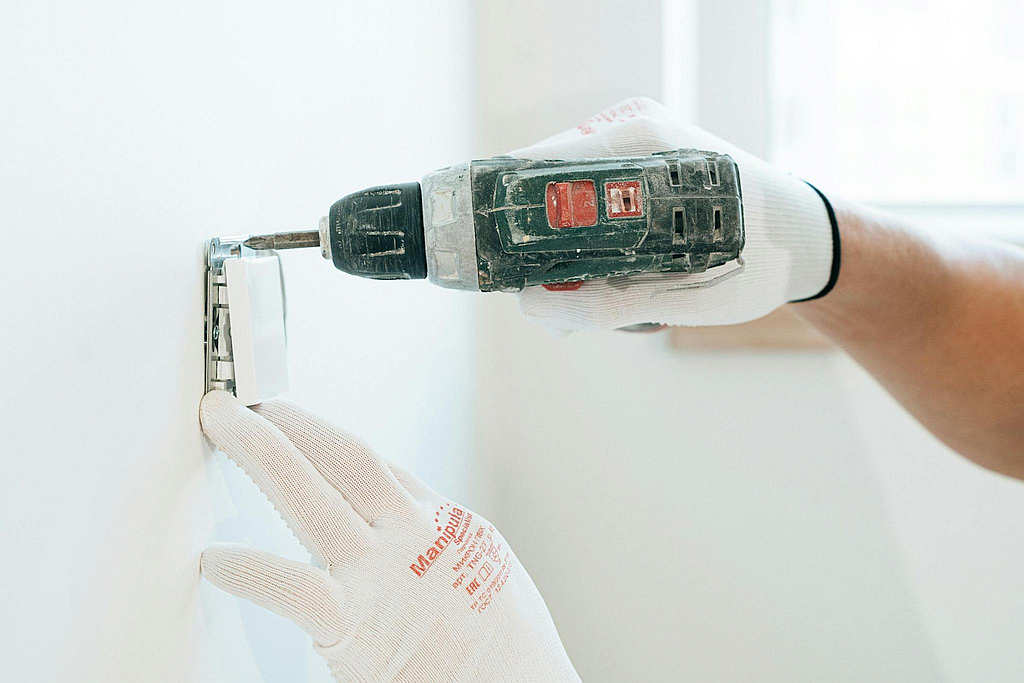
Our lives run on electricity. Whether it’s for staying healthy or entertaining ourselves, we depend on our precious electrical systems. As important as these devices are in our day-to-day, it’s only fair that we maintain their safety and functionality.
How can we do that, you ask? Electrical safety is your answer. Discover five reasons your home needs an electrical safety inspection in our guide to prevent accidents and save energy.
1. Prevent Electrical Fires
Faulty wiring and outdated electrical parts are some of the main causes of house fires. When you get a proper inspection done, you identify loose connections, overloaded circuits and damaged wiring before they escalate into fire hazards.
Older homes especially, may have outdated wiring that is not designed to handle modern electrical loads, which increases the risk of overheating.
DIY electrical work or improperly installed components can also create hidden dangers that you wouldn’t see coming. Regular inspections make sure that all wiring, outlets and circuit breakers work properly and can handle your home’s electrical needs.
2. Stay Clear of Electrical Shocks
Exposed wires, faulty outlets and improper grounding can lead to serious electric shocks. Even minor shocks from faulty appliances or wiring are telltale signs of deeper electrical issues. Children and pets are mostly vulnerable, as they can unintentionally touch exposed wires or malfunctioning outlets.
Proper electrical inspections by professionals detect problem areas, like worn-out insulation, outdated outlets or missing grounding, that could threaten safety.
With expert inspections, ground fault circuit interrupters (GFCIs) will be installed in high-risk areas like kitchens, bathrooms and outdoor spaces, which also offer an extra layer of protection.
You can find expert electricians anywhere these days. Whether you are looking for electricians in St Louis, Missouri or Billings, Montana, you will definitely find one. Just look them up online and go through the reviews.
3. Energy Efficiency
Old or problematic electrical systems can waste energy, hiking up the bills. Electrical inspections bring out hidden energy drains like faulty wiring, outdated circuit breakers and malfunctioning appliances.
Inspectors may recommend upgrades like LED lighting, energy-efficient appliances and modern electrical panels that save energy usage. They may also identify and address electrical leaks that prevent unnecessary power wastage, ultimately reducing long-term utility costs.
4. Compliance with Electrical Codes
Building codes change to improve safety standards, and outdated electrical systems may not meet current requirements. An electrical inspection makes sure that your home’s electrical setup follows the latest codes, reducing risks and potential liabilities.
Compliance is especially important if you’re planning to renovate or sell your home, as non-compliance could lead to costly delays or legal issues. Many insurance providers also require homes to have their codes updated to maintain coverage.
A professional inspection identifies outdated wiring, improper installations and other code violations, so you can make necessary corrections before it costs you. When you’re compliant, it not only keeps your home safe but also adds value to your property by meeting modern safety expectations.
5. Avoid Unexpected Breakdowns and Costly Repairs
Small electrical issues can become major problems if they’re not tended to on time. Routine inspections can detect early signs of wear and tear, preventing sudden failures and expensive repairs.
Electrical components like circuit breakers, wiring and outlets degrade over time due to regular use. Loose connections and corrosion can lead to power fluctuations, outages or even equipment damage.
Identifying and fixing these minor issues early can extend the lives of your electrical systems and prevent inconvenient and unexpected power failures. And you already know how expensive emergency electrical inspections can be than scheduled maintenance.
So investing in regular inspections, homeowners can prevent unexpected breakdowns, reduce repair costs, and ensure their electrical system remain reliable and efficient.
How Often Should You Schedule an Electrical Inspection?
The frequency of electrical inspections depends on several things, like how old your home is, its wiring system, and any recent renovations. But, experts recommend a full inspection at least every 3 to 5 years for most homes.
However, if your home is older than 25 years, annual inspections are a must to check for old wiring and outdated components. If you experience frequent circuit breaker trips, flickering lights, burning smell, or unexplained power surges, you need to schedule an emergency inspection as soon as possible.
Also, if you recently added major appliances, remodeled your home, or purchased an older property, make sure to schedule an inspection to make sure your electrical system can handle spikes in demands safely.
Essential Electrical Maintenance Tips
Regular maintenance helps keep your electrical system safe and efficient. Start by regularly checking outlets and switches for any discoloration or unusual heat, which may suggest wiring problems.
Replace damaged cords immediately to prevent shocks and fires. Test your circuit breakers and GFCIs every few months to make sure they function properly. Keep electrical panels accessible and free of dust or obstructions. Cover unused sockets to protect children from sticking anything into them.
Don’t overload circuits by distributing appliances evenly. And of course, scheduling regular professional inspections will help identify all these issues.
What to Expect During an Electrical Safety Inspection?
If you’ve never had an electrical inspection done, here’s what to expect.
- Check the condition of your wiring for any signs of wear, damage or outdated materials.
- Inspect outlets and switches for proper function and hazards. Look for signs like a burning smell, warm switches and unexplained sparks.
- Evaluate your electrical panel for circuit breaker performance and capacity.
- Ensure proper grounding to prevent electrical shocks.
- Test GFCI and AFCI outlets to confirm they are working correctly.
- Identify fire hazards, such as overloaded circuits or loose connections.
- Verify compliance with the latest electrical safety codes.
Conclusion
An electrical safety inspection is a very important step if you want to protect your home, family and wallet. By getting routine electrical inspections and addressing potential hazards early, you maintain a safe, efficient and code-compliant electrical system.
So, what are you waiting for? Schedule an inspection today to keep your home secure from unforeseen electrical dangers.
Advertisement / Sponsored Content — This content is a paid advertorial published in consideration of payment or other commercial benefit. The views, claims, statements, offers and representations are those of the advertiser and do not necessarily reflect the views of the publisher, which does not endorse or verify them. This material is provided for general promotional information only and does not constitute legal, financial, medical, investment or other professional advice; readers should make their own enquiries and seek professional advice before acting. Claims, testimonials and performance statements have not been independently verified unless stated. Offers and availability are subject to change and additional terms. This advertorial may contain links to third-party websites and the publisher may receive commissions or other benefits from reader engagement; the publisher is not responsible for third-party content or fulfilment. To the maximum extent permitted by Australian law, the publisher disclaims liability for reliance on this content, and nothing limits rights that cannot be excluded under the Australian Consumer Law. Where applicable, this advertorial is authorised by the advertiser and does not constitute independent editorial content.










