
Advertisement / Sponsored Content
This content is paid advertising and has been prepared in collaboration with the advertiser.
This post remains active as a legacy issue and is being phased out from January 2026.
Tasmanian Times no longer accepts requests for paid content or advertorials.
Medical alert systems have become a crucial tool for seniors looking to maintain their independence while ensuring their safety. These devices offer peace of mind to older adults and their families by providing quick access to help in emergencies.
Many people choose to order a Life Assure medical alert here as a reliable option. Medical alert systems work by connecting seniors to emergency services or caregivers at the push of a button, typically worn as a pendant or wristband.

I’ve found that modern alert systems come in different types to suit various needs. Some are designed for in-home use, while others use GPS technology for on-the-go protection. The basic function remains the same – when activated, these systems alert a monitoring centre where trained staff can assess the situation and send help if needed.
Key Takeaways
-
Medical alert systems connect seniors to help with a simple button press
-
Different types exist for both home and mobile use to fit various lifestyles
-
Trained staff at monitoring centres assess emergencies and dispatch aid as needed
Overview of Medical Alert Systems
Medical alert systems help seniors stay safe and independent. These devices provide quick access to help in emergencies.
Types and Features
There are two main types of medical alert systems: in-home and mobile. In-home systems work inside the house and have a base station connected to a landline or cellular network. Mobile systems use GPS and cell networks to work anywhere.
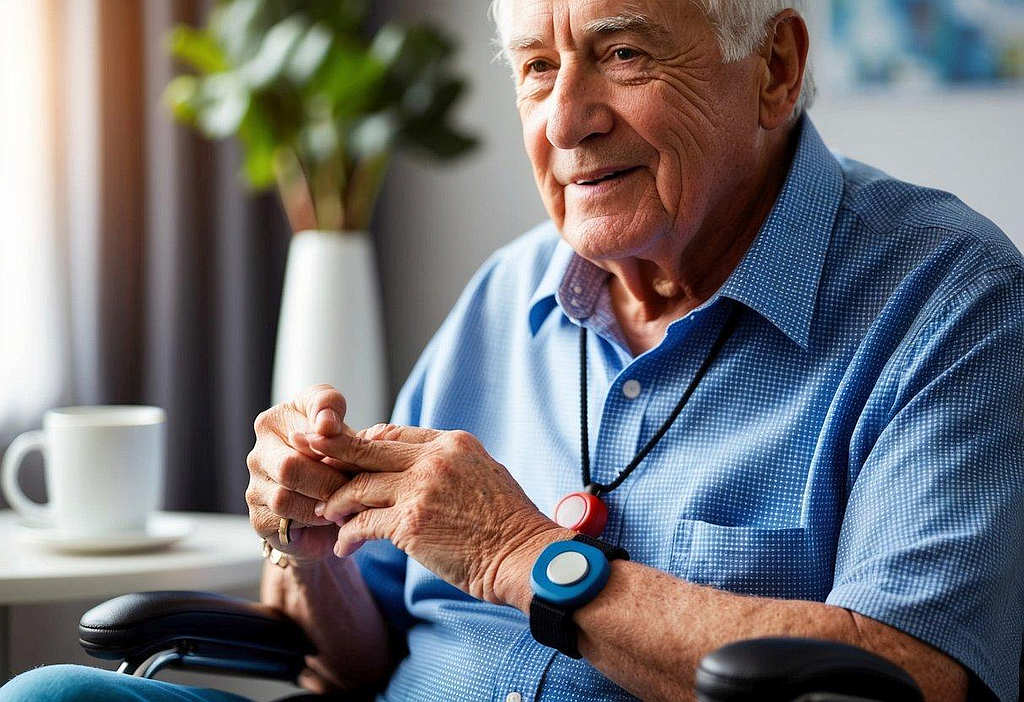
Most systems have a wearable help button as a pendant or wristband. When pressed, it contacts a 24/7 monitoring centre. Many also have two-way communication so I can talk to operators through the device.
Some advanced features include:
-
Fall detection that automatically alerts help if I fall
- GPS tracking on mobile devices
-
Medication reminders
-
Activity monitoring
How They Provide Peace of Mind
Medical alert systems give me and my family peace of mind in a few key ways:
Fast response: With one press of a button, I can quickly get help any time.
Independence: I can live on my own longer while still having a safety net.
24/7 monitoring: Trained staff are always ready to assist me or contact emergency services.
Customised care: My medical info and emergency contacts are on file for personalised help.
Fall protection: Automatic fall detection can call for help even if I can’t press the button.
These systems act like a constant companion, ready to assist me whenever needed.
Key Components of In-Home and Mobile Systems
Medical alert systems come with essential parts that work together to keep seniors safe. These components vary between in-home and mobile systems, with each designed for specific needs.
In-Home Alert Systems
The heart of an in-home system is the base unit. It connects to a power source and either a landline or cellular network. The base unit has a speaker and microphone for two-way communication with the monitoring centre.
A wearable help button is another crucial part. It’s usually a pendant or wristband that seniors can press in an emergency. Some buttons are waterproof, so they can be worn in the shower.
Many systems offer wall-mounted help buttons too. These can be placed in high-risk areas like bathrooms or staircases.
Some advanced systems include fall detection. This feature automatically alerts the monitoring centre if it senses a fall, even if the user can’t press the button.
Mobile Medical Alert Systems
Mobile systems are designed for active seniors. They typically have a portable device with GPS technology. This lets the monitoring centre find the user’s location in an emergency.
The main unit is usually a small, lightweight device that can be worn or carried. It has a help button, speaker and a microphone built-in.
These systems use cellular networks to stay connected anywhere. Many offer two-way communication, just like in-home systems.
Some mobile alerts come as smartwatches. These blend in with everyday accessories and often include fitness tracking features.
Battery life is key for mobile systems. Most last several days on a single charge, with some lasting up to a week.
Integration with Smart Devices
Modern medical alert systems are getting smarter. Many now work with smartphones and tablets through apps.
These apps can let family members check on their loved one’s location and battery status. Some even send alerts if the user leaves a set area.
Voice-activated devices like Amazon Alexa can also connect to some alert systems. This lets seniors call for help using voice commands.
Some systems offer medication reminders through their smart features. This helps seniors stay on top of their health routines.
Certain brands, like Medical Guardian and MobileHelp, are leading the way in smart integrations. They’re making systems that fit seamlessly into modern tech-savvy homes.
Response and Monitoring
Medical alert systems offer quick help when seniors need it most. They connect users to trained staff who can send the right assistance fast.
Emergency Response Protocols
When a senior presses their alert button, it triggers a call to the monitoring centre. I’ve seen how these centres work – they’re staffed 24/7 by trained operators. The operator talks to the senior through the base unit or wearable device. They ask about the problem and decide what help is needed.
If it’s a medical emergency, the operator calls 911 right away. They also contact the senior’s family or neighbours on their call list. For less urgent issues, they might just call a family member to check in. The operator stays on the line until help arrives.
Monitoring Centres and Response Times
Monitoring centres are the heart of medical alert systems. They handle thousands of calls daily. I’ve toured a few, and they’re impressive setups. Operators sit at computers with access to each user’s info and emergency contacts.
Most centres aim to answer calls within 15-30 seconds. The best ones have response times under 10 seconds. Quick answers can make a big difference in emergencies. Centres also do regular test calls to make sure everything’s working properly.
Some medical alert reviews praise centres that are Five Diamond Certified. This means they meet high standards for training and testing. It’s a good sign of quality service.
Considerations for Selecting a Medical Alert System
Picking the right medical alert system involves looking at costs, features, and support. These factors help ensure seniors get a system that fits their needs and budget.
Cost and Payment Options
Medical alert systems come with different price tags. I’ve found that monthly fees usually range from $20 to $60. Some companies charge extra for equipment or setup. It’s smart to ask about these upfront costs.
Many providers offer affordable medical alert systems with basic features. For those on a tight budget, it’s worth checking if Medicare or Medicaid can help cover the costs. While Medicare doesn’t typically pay for these systems, some Medicare Advantage plans might.
I suggest looking for companies that offer flexible payment plans. Some let you pay monthly, while others give discounts for longer commitments. Watch out for hidden fees like activation or cancellation charges.
Features for Safety and Convenience
Medical alert systems now offer more than just emergency buttons. I’ve seen systems with fall detection, GPS tracking, and even medication reminders. These extras can be really helpful for ageing in place safely.
Some systems include environmental monitoring. This means they can detect smoke, carbon monoxide, or extreme temperatures. It’s an added layer of protection for seniors living alone.
When picking features, I think about the senior’s daily life and health needs. Does the system work both at home and on-the-go? Is the range enough to cover the whole house and yard? These questions help narrow down the choices.
Ease of Use and Customer Support
A medical alert system should be simple to use, especially in emergencies. I look for big buttons and clear instructions. Some systems have voice activation, which can be great for seniors with limited mobility.
Good customer care is crucial. I check if the company offers 24/7 support and how easy it is to reach them. It’s also helpful to know if they provide free equipment replacements or repairs.
I always ask about the setup process. Some systems are plug-and-play, while others might need professional installation. For tech-savvy seniors, a DIY setup can save money. But for others, having someone set it up can bring peace of mind.
Advertisement / Sponsored Content — This content is a paid advertorial published in consideration of payment or other commercial benefit. The views, claims, statements, offers and representations are those of the advertiser and do not necessarily reflect the views of the publisher, which does not endorse or verify them. This material is provided for general promotional information only and does not constitute legal, financial, medical, investment or other professional advice; readers should make their own enquiries and seek professional advice before acting. Claims, testimonials and performance statements have not been independently verified unless stated. Offers and availability are subject to change and additional terms. This advertorial may contain links to third-party websites and the publisher may receive commissions or other benefits from reader engagement; the publisher is not responsible for third-party content or fulfilment. To the maximum extent permitted by Australian law, the publisher disclaims liability for reliance on this content, and nothing limits rights that cannot be excluded under the Australian Consumer Law. Where applicable, this advertorial is authorised by the advertiser and does not constitute independent editorial content.