

Advertisement / Sponsored Content
This content is paid advertising and has been prepared in collaboration with the advertiser.
This post remains active as a legacy issue and is being phased out from January 2026.
Tasmanian Times no longer accepts requests for paid content or advertorials.
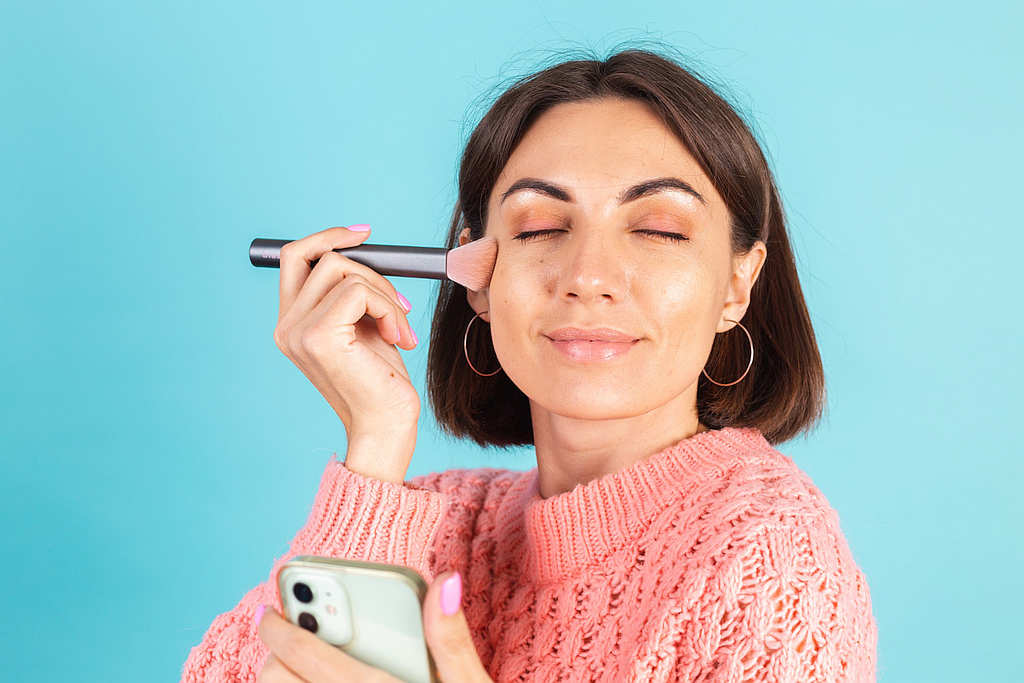
We all dream of having beautiful skin—smooth and even-toned, free from dark circles, redness, broken capillaries, and blemishes. But despite what magazine covers suggest, flawless skin doesn’t exist. Some struggle with acne scars, others with redness around the nose, and many of us are all too familiar with the dark circles under our eyes.
Thankfully, concealer, a product that’s often underappreciated, can help tackle these issues. With such a wide variety of options available, it can be easy to feel overwhelmed. Here’s a beginner’s guide on how to choose the right formula and shade, and how to apply concealer effectively.
Stick, Cream, or Powder Concealer?
Choosing the right type of concealer can be tricky, as there are so many options available today. Your choice should depend not only on personal preference but, more importantly, on the type of imperfections you want to cover.
Under-Eye Concealer
Possibly the most popular in the concealer family, the under-eye concealer is essential for many of us, as a good daily makeup routine usually involves hiding dark circles. This product is generally available as a lightweight cream, often in a tube with an applicator or as a brush-on formula. An under-eye concealer should be lightweight, blend seamlessly into the skin, and avoid caking or settling into the fine lines and wrinkles that are common in this area.
Cream Concealer
A cream concealer usually has a thicker, more pigmented formula, making it ideal for covering redness and scars. It blends well and integrates smoothly with foundation. It allows for an even tone, particularly in areas like the sides of the nose (where redness often appears) or areas with visible capillaries, such as the cheeks. This type of concealer, commonly found as part of complete makeup kits, is also effective for camouflaging blemishes and any inflamed spots.
Stick or Pencil Concealer
It offers precision, a dense formula, and strong pigmentation, making it slightly heavier than cream or liquid options. This type of concealer works well for covering small blemishes, like individual spots or broken capillaries. It’s also handy in a daily makeup routine for subtly brightening the area under the eyebrows. This will create a more natural look than a highlighter or light eyeshadow would.
Which colour concealer to choose: yellow, green, or beige?
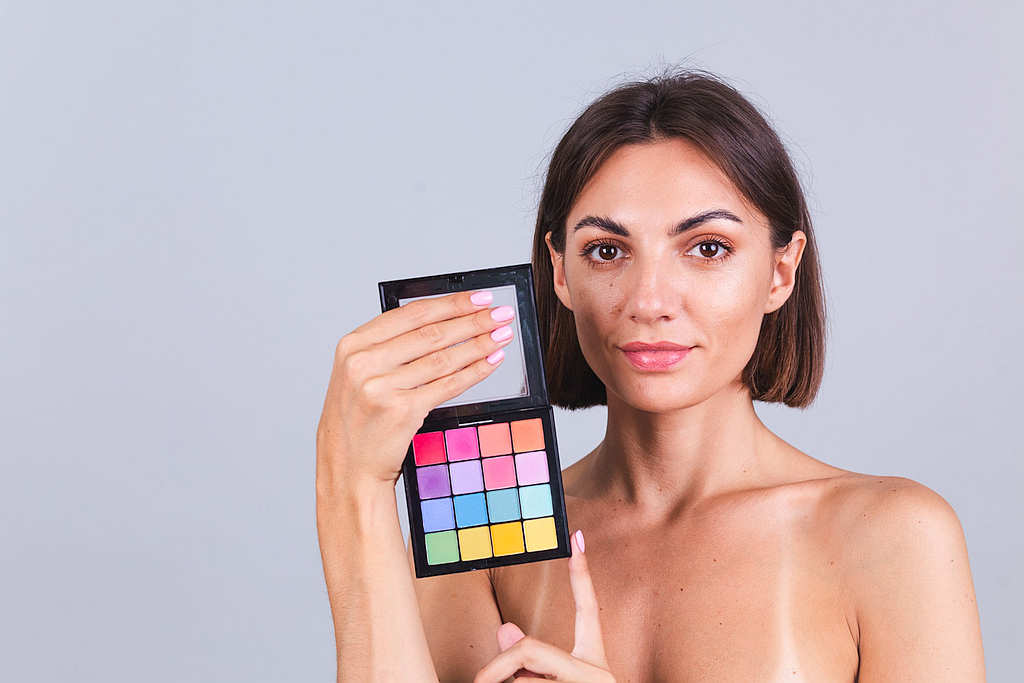
Just as with consistency, the shade of concealer should be chosen based on the specific issue you’re addressing. Depending on what you want to cover, you can choose from green, purple, yellow, pink, or various beige tones. Sometimes, these colours are included in makeup kits, or you can select one that best suits your needs.
-
The colour green neutralises redness, making it ideal for masking red areas around the nose, broken capillaries, or pimples.
-
The yellow tint is commonly used under the eyes. This is because the colour effectively conceals purple-tinged shadows and capillaries.
-
Pink concealer, on the other hand, minimises the appearance of greenish veins and works well for covering freckles and pigmentation spots. Purple concealer is useful for covering up yellow-toned bruises and addressing similar colour-correcting needs.
-
For covering up minor discolouration and imperfections or simply evening out skin tone, a beige concealer in stick or cream form, closely matching your natural skin tone, is a reliable choice.
 Concealment and care
Thankfully, the days are long gone when we had to choose between skincare and enhancing our appearance with makeup. Today’s makeup products don’t burden the skin, clog pores, dry it out, or speed up the appearance of wrinkles. Quite the opposite. In fact, many makeup products like foundations, concealers, and powders on the market actively contribute to the health of your skin.
To ensure your concealer not only hides blemishes but also benefits your skin, look for these key ingredients:
-
peptides – especially beneficial for mature or fatigued skin, peptides help with skin firmness and repair;
-
caffeine – a staple in under-eye concealers (it boosts circulation, helping to reduce dark circles);
-
vitamin E – an antioxidant that slows down aging;
-
hyaluronic acid – keeps skin hydrated and reduces the appearance of fine lines;
-
niacinamide – anti-inflammatory and sebum-regulating;
-
tea tree extract – known for its antibacterial properties (ideal for concealers formulated for blemish-prone or inflamed skin).
How to use concealer correctly
To make sure your concealer does its job—covering imperfections while remaining invisible itself—it’s essential to master the application. It’s easier than it sounds, and with a few tries, you’ll be concealing like a pro.
Start by prepping your skin. Cleanse, tone, and moisturise, and once these products have absorbed, apply a makeup primer. This will help even out your skin’s texture and improve the grip of any makeup applied afterwards. At this stage, we usually wonder whether to apply concealer or foundation first. The order more commonly used and recommended by make-up artists is to use foundation first and then a product to mask imperfections. This approach is largely based on the idea that the fewer makeup products we use, the better. Since foundation can cover many discolourations and small veins, we only need to apply concealer to the areas that still need extra coverage where foundation didn’t quite do the job.
Apply concealer to blemishes using a clean fingertip or a small brush. Avoid applying stick concealer directly onto the face, as this can transfer bacteria to the product. The best way to blend concealer is with a small sponge, which helps it meld into the skin and foundation for a subtle, natural finish. Remember the rule: less is more! It’s difficult to remove excess concealer, but you can always add a little more if needed.
Set everything with a translucent powder. If you’re covering dark circles under the eyes, using a special under-eye powder along with concealer will ensure that the skin in this area stays flawless for hours.
Advertisement / Sponsored Content — This content is a paid advertorial published in consideration of payment or other commercial benefit. The views, claims, statements, offers and representations are those of the advertiser and do not necessarily reflect the views of the publisher, which does not endorse or verify them. This material is provided for general promotional information only and does not constitute legal, financial, medical, investment or other professional advice; readers should make their own enquiries and seek professional advice before acting. Claims, testimonials and performance statements have not been independently verified unless stated. Offers and availability are subject to change and additional terms. This advertorial may contain links to third-party websites and the publisher may receive commissions or other benefits from reader engagement; the publisher is not responsible for third-party content or fulfilment. To the maximum extent permitted by Australian law, the publisher disclaims liability for reliance on this content, and nothing limits rights that cannot be excluded under the Australian Consumer Law. Where applicable, this advertorial is authorised by the advertiser and does not constitute independent editorial content.










