Advertisement / Sponsored Content
This content is paid advertising and has been prepared in collaboration with the advertiser.
This post remains active as a legacy issue and is being phased out from January 2026.
Tasmanian Times no longer accepts requests for paid content or advertorials.
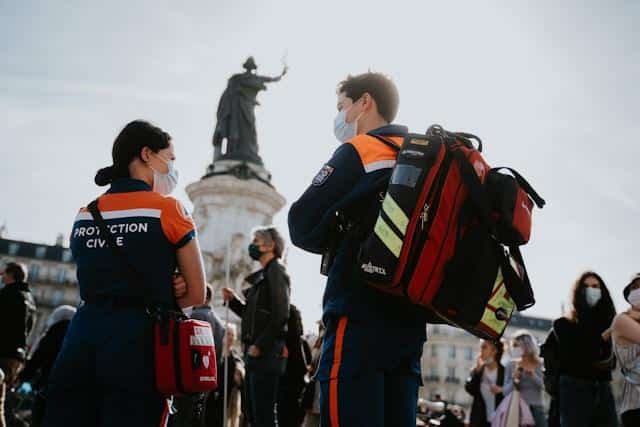
Having basic first aid knowledge is an incredibly valuable skill that can save lives and make you an important part of any team. However, to truly excel in first aid and respond effectively in critical moments, guidance from an expert can be essential to sharpen your abilities.
Now, picture someone you care about deeply facing a serious emergency. Without the right first aid skills, you might find yourself unable to help with their recovery, or even protect their life. This post will walk you through key steps to strengthen your first-aid skills.
Develop Awareness of Your Surroundings
It’s essential to stay prepared and ready to respond when your first aid skills might be needed. A key element of first aid training is developing situational awareness, a skill that extends to other areas like close protection, surveillance, travel safety and more.
Situational awareness training equips you to handle almost any scenario. It teaches you how to quickly and accurately assess the situations you encounter, helping you stay alert to your surroundings, environment and any potential risks. To truly master this, scenario-based first aid training is invaluable, as it offers a practical and effective way to build these crucial skills.
Enrol in a First Aid Course
Nothing can replace the value of in-person first aid training. Attending one gives you direct access to an expert, so you can ask questions and receive personalised guidance. You can find basic first aid courses offered at YMCAs, community centres, and local pools. While these courses may cost more than online options, the hands-on training and practical experience they provide make them well worth the investment.
Consult a First Aid Guide
If you’ve previously completed a first aid course, you probably received a manual or booklet. This guide offers instructions on handling common first aid scenarios. While first aid manuals are helpful for understanding frequent injuries and illnesses, they have their limits. If you’re not confident in the basics, it’s important to take a re-certification course.
Cultivate Mental Readiness
Becoming an expert in first aid requires mental readiness. This means staying aware of your surroundings, understanding the situation, and remaining calm no matter what happens. To save lives during emergencies, know what actions to take and trust your ability to carry them out. This level of confidence comes from hands-on experience, such as participating in HEAT (Hostile Environment Awareness Training) provided by Advanced Tactical Resources.
Training in a controlled environment that recreates realistic scenarios not only prepares you to understand how you might react in a genuine emergency, but also equips you to overcome the initial wave of panic and respond effectively.
Take a Specialised First Aid Course
Your job or lifestyle might require first aid training that goes beyond the basics. Enrolling in a specialised first aid course allows you to focus on the skills that matter most to your specific needs. Options like workplace safety, wilderness first aid, boating safety, mental health first aid, and many others are widely accessible.
End note
First aid training offers valuable benefits no matter your profession or the field you work in. It’s equally useful regardless of your age or personal circumstances. Gaining knowledge in first aid is a crucial skill that has the potential to save lives. For this reason, staying current with your first aid training is essential.
Advertisement / Sponsored Content — This content is a paid advertorial published in consideration of payment or other commercial benefit. The views, claims, statements, offers and representations are those of the advertiser and do not necessarily reflect the views of the publisher, which does not endorse or verify them. This material is provided for general promotional information only and does not constitute legal, financial, medical, investment or other professional advice; readers should make their own enquiries and seek professional advice before acting. Claims, testimonials and performance statements have not been independently verified unless stated. Offers and availability are subject to change and additional terms. This advertorial may contain links to third-party websites and the publisher may receive commissions or other benefits from reader engagement; the publisher is not responsible for third-party content or fulfilment. To the maximum extent permitted by Australian law, the publisher disclaims liability for reliance on this content, and nothing limits rights that cannot be excluded under the Australian Consumer Law. Where applicable, this advertorial is authorised by the advertiser and does not constitute independent editorial content.