

Advertisement / Sponsored Content
This content is paid advertising and has been prepared in collaboration with the advertiser.
This post remains active as a legacy issue and is being phased out from January 2026.
Tasmanian Times no longer accepts requests for paid content or advertorials.
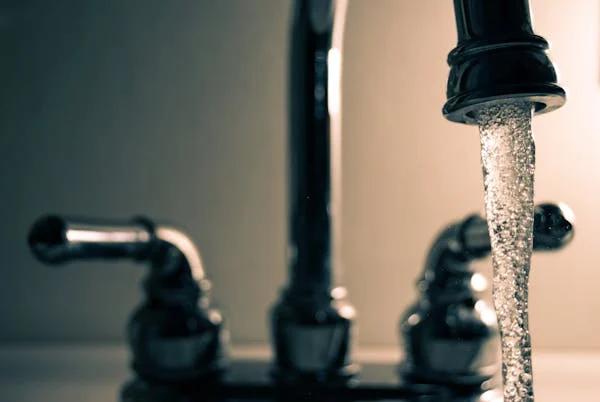
Plumbers install and fix drainage systems and pipelines in residential and commercial buildings, as well as appliances and fixtures. Having an able professional on hand may help you save time and money on projects like bathroom remodels or leaking faucets.
Finding the right plumber for your job might seem overwhelming, especially with so many regional and national vendors to select from.
A plumber should be chosen after taking into account a few factors, just like you would with any other contractor. Discover the fundamental requirements a plumbing company must meet in order to complete the task, as well as the questions you should ask to make sure the person you select is the best fit for your requirements.
Qualifications for Plumbers
Plumbing problems must be resolved quickly to avoid more expensive complications. Water lines may freeze in the winter, resulting in damage to the walls or ceilings within your house.
Sewer backups can harm your floor or the foundation of your house, or worse, they might completely stop your toilet from working. These are but a few justifications for why you ought to have a professional plumber on your list of people to call.
But how can you choose the most skilled plumber, and what is the price of their services? When choosing a professional, the cost of the plumber is just one factor to consider.
Prior to requesting quotes, keep in mind that a trustworthy plumber will possess the following abilities and credentials.
Instruction
The plumbing sector does not require a college degree. Nonetheless, trade schools or apprenticeships are common ways for plumbers to acquire their craft.
Trainees get instruction under the supervision of a master plumber or journeyman plumber. The apprenticeship includes study, with completion times often ranging from three to five years.
Certification
In the US, one of the most regulated occupations is plumbing. The majority of states mandate licensing for plumbers. Every state has different licensing criteria, and each state has a different government entity that grants the license.
A plumber needs experience, continuous training, and knowledge of current plumbing industry developments in order to be licensed. If a plumbing expert has a current license, they also have the required insurance and bonding from the state.
By doing this, you can be confident that your house will be shielded from any plumbing accidents or damage that may arise from plumbing repairs.
Protection
In the unlikely event that a plumber injures themself on the job or inadvertently damages property, the homeowner or company owner is shielded from liability by the plumber’s general liability (https://fctemis.org/notes/4511_INSURANCE%20DOCUMENT.pdf) insurance.
Request to see the plumber’s insurance documentation prior to employing them. A sufficient amount of liability insurance should be carried out by all plumbers to cover any mishaps that may occur on your premises.
Some house insurance plans can pay for repairs related to plumbing. The result of a burst pipe or other pipe breakdown is abrupt and unexpected water damage.
On the other hand, most plans do not cover damage brought on by localized floods or damages that occur gradually, such a steady, continuous leak.
Journeyman as opposed to Non-Journeyman
A skilled craftsman who has successfully finished an apprenticeship and obtained their license is referred to as a journeyperson, often called a journeyman examination mandated by the government.
A journeyperson’s occupational license card is also carried by them. A plumber without a state license or an apprentice still in training are considered non-journeypersons.
Expert Plumber
To obtain this accreditation, these experts must complete five years of continuous journeyman labor, further training, study, and testing. The Master Plumber exam verifies that advanced plumbing skills, construction codes, and federal and state requirements are mastered.
Although obtaining the certification requires more time and resources, it guarantees that the plumber is highly equipped to handle a range of plumbing tasks. The higher hourly rate of master plumbers is a result of their advanced training, and for complex jobs requiring an expert hand.
Services Provided by a Plumber
Piping systems of all kinds, both residential and commercial, are installed and maintained by plumbers. A plumber’s typical duties vary depending on the job.
All plumbers need to be proficient in math, have a solid understanding of designs, know what sorts of materials are needed for each task, and know how to use plumbing instruments. Repairing toilets and drains is just one aspect of a plumber’s work. The following are some services provided by plumbers:
- Replacement of water and sewer lines
- Pipe replacement and repair
- Installations of washers, dryers, and dishwashers
- Clearing the drains
- Services for trash disposals
- Services for fixing water heaters
- Septic and sewer repair
- Fixture installation, inspection, and replacement
How to Get a Plumber Hired
Selecting a plumber requires careful consideration of both local and global businesses, reading evaluations, and getting referrals for trustworthy plumbers from friends and family who they have already worked with.
Additionally, you may check the insurance and licensing status of a plumber by contacting the Department of Labor in your state, or an equivalent agency. After you’ve made your selection, you may discuss details like fees, credentials, and experience over the phone in an interview.
Questions to Put to a Plumber
- Do you have insurance and a license?
- Do you have a fixed price or an hourly rate?
- Could you offer any references?
- Have you done work similar to this before?
- What compensation expectations do you have?
- Please provide me with a written estimate.
Selecting the Appropriate Plumber
While the majority of qualified plumbers are capable of doing your repair, you should select the most dependable and appropriate one for the task.in reach. The following advice will assist you in choosing the best one:
- Examine evaluations and approximations provided by nearby homes.
- Check out the Better Business Bureau’s website to learn more about the plumber or them.
- Look into who their rivals are. If you can, give other plumbers a call to receive a free quotation.
- Make a lot of inquiries. Your understanding of the job’s particulars and if you’re receiving a fair quotation will increase with the number of questions you ask.
- Obtain a written estimate. Before you sign any agreements, a qualified plumber will let you go over the details of the agreement.
Advertisement / Sponsored Content — This content is a paid advertorial published in consideration of payment or other commercial benefit. The views, claims, statements, offers and representations are those of the advertiser and do not necessarily reflect the views of the publisher, which does not endorse or verify them. This material is provided for general promotional information only and does not constitute legal, financial, medical, investment or other professional advice; readers should make their own enquiries and seek professional advice before acting. Claims, testimonials and performance statements have not been independently verified unless stated. Offers and availability are subject to change and additional terms. This advertorial may contain links to third-party websites and the publisher may receive commissions or other benefits from reader engagement; the publisher is not responsible for third-party content or fulfilment. To the maximum extent permitted by Australian law, the publisher disclaims liability for reliance on this content, and nothing limits rights that cannot be excluded under the Australian Consumer Law. Where applicable, this advertorial is authorised by the advertiser and does not constitute independent editorial content.










