

Advertisement / Sponsored Content
This content is paid advertising and has been prepared in collaboration with the advertiser.
This post remains active as a legacy issue and is being phased out from January 2026.
Tasmanian Times no longer accepts requests for paid content or advertorials.
Sydney streets can be chaotic, but with the right tools, managing traffic is feasible. Traffic management isn’t just about congestion; it’s about all aspects of urban life, from daily routine and commute to stress levels and safety.
Sydney streets are the lifeblood of the city; thousands of people rely on smooth, safe traffic to get through their day without a hiccup. But as anyone who’s sat through Sydney’s peak hour, you know traffic can quickly become a roadblock to your day, productivity, and even your peace of mind.
Here are five potent strategies that could reshape how Sydney handles its traffic. Whether you are a city official, business leader, or a resident looking for solutions, these insights will help pave the way to a more streamlined, safer and livable city.
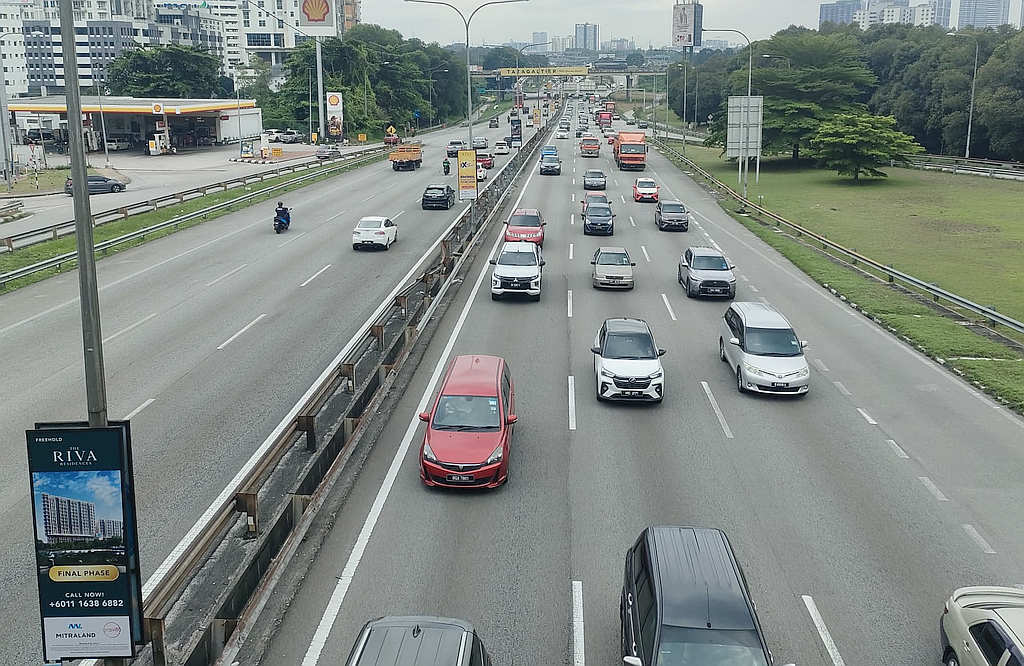
1. Hire a Traffic Expert
Sydney’s traffic landscape is unique, influenced by its urban layout, tourist hotspots and diverse suburbs. To tackle these challenges, consulting a traffic expert offers unparallelled insight. An expert can help you design traffic management plans tailored to the city’s unique flow. Whether you’re planning a big event or a construction project, an expert can prevent congestion by creating custom traffic solutions.
Hiring a traffic consultant doesn’t just simplify planning. It also brings a fresh perspective. Experienced experts analyse peak hours, vehicle types, and traffic patterns, identifying areas to shave off delays and improve safety.
When you work with someone who knows the art of traffic flow, you get strategies that look good on paper and work. An expert can look at Sydney’s challenging areas, like the CBD or the Harbour Bridge, and suggest solutions for each.
2. Prioritise Carpooling and Ride Sharing
Carpooling and ride-sharing can remove a considerable load of traffic from the roads during rush hour every day. This approach would help reduce congestion and, subsequently, lower emissions. The carpooling and ride-sharing initiatives reduce the number of cars on the road by placing multiple passengers in one car. Imagine if even a significant percentage of drivers in Sydney began to carpool; it could transform traffic.
Besides saving fuel, it is a greener and cleaner way to go to work. Carpooling and ride-sharing build a community and reduce commuting stress. It’s a chance to connect with people and converse meaningfully while enjoying the journey. Many people have found lifelong friends and colleagues in carpooling, so the social benefits go beyond reducing traffic.
The city can support this shift by having carpool lanes, offering incentives, or partnering with ride-sharing platforms to encourage more users. With more people sharing rides, Sydney’s roads could see less congestion and pollution. So next time you’re stuck in traffic, think about what would happen if there were fewer solo drivers around you.
3. Encourage Active Transportation Alternatives
Taking cars off the road is the best way to reduce congestion. Walking, biking, and public transport are not just traffic solutions. They are a healthier, more sustainable lifestyle. Imagine Sydney with more cyclists on bike lanes and fewer cars on the road. Such active transport is good for the planet and the city’s soul.
Active transport allows you to see the city in a new way. Whether cycling to work or walking for a few errands, you’ll connect with Sydney on a deeper and more personal level. Think about the little things: fresh air, the charm of local neighbourhoods, and the surprises you’ll find when you’re not in a car. With the right infrastructure, active transport can be an option for many. It can reduce reliance on cars in favor of healthier, greener choices.
4. Build Strong Public-Private Partnerships
Traffic management doesn’t happen in isolation. One of the best ways to create solutions is to build partnerships between the public and private sectors. When businesses, government, and community organisations work together, they can solve traffic issues that benefit everyone. Imagine Sydney’s busiest streets running smoothly because the private and public sectors worked together to design practical solutions.
Public-private partnerships can offer more funding, resources and ideas for traffic management. Private companies can bring technology and expertise, while public entities can bring regulation and oversight to ensure solutions benefit the wider community.
These partnerships make it easier to implement solutions like bike sharing, improved transit infrastructure or even dedicated ride-hailing pick-up zones that reduce congestion around popular spots.
5. Embrace Adaptive Traffic Signal Systems
Technology has come a long way in recent years, and one area where it’s making a difference is in adaptive traffic signals. These systems adjust signal times based on real-time traffic, so you don’t have to sit through as many stop-and-gos that make traffic feel like a daily grind. Imagine a world where traffic lights listen to the city’s pulse, responding to busy and quiet times. This dynamic approach can save you hours on the road.
Sydney has already rolled out these adaptive systems, and the results look good. By responding to real-time traffic volumes, these digital signals reduce unnecessary idling, which reduces fuel consumption and emissions.
When stuck in stop-and-go traffic, it doesn’t just waste your time–it’s hard on your car, your patience, and the environment. Implementing adaptive signals can reduce all these stresses and enhance a smooth driving experience.
Conclusion
Traffic management doesn’t have to be a big problem; it’s a shared responsibility that brings the city together. By working with experts, using new technology, promoting sustainable transport and building partnerships, Sydney can shape its roads for the better.
Whether you’re a driver, cyclist, pedestrian or city planner, we all have a part to play in creating a city where getting around feels like a breeze. Together, we can turn traffic from a pain into a model of efficiency and innovation.
Advertisement / Sponsored Content — This content is a paid advertorial published in consideration of payment or other commercial benefit. The views, claims, statements, offers and representations are those of the advertiser and do not necessarily reflect the views of the publisher, which does not endorse or verify them. This material is provided for general promotional information only and does not constitute legal, financial, medical, investment or other professional advice; readers should make their own enquiries and seek professional advice before acting. Claims, testimonials and performance statements have not been independently verified unless stated. Offers and availability are subject to change and additional terms. This advertorial may contain links to third-party websites and the publisher may receive commissions or other benefits from reader engagement; the publisher is not responsible for third-party content or fulfilment. To the maximum extent permitted by Australian law, the publisher disclaims liability for reliance on this content, and nothing limits rights that cannot be excluded under the Australian Consumer Law. Where applicable, this advertorial is authorised by the advertiser and does not constitute independent editorial content.










