Adventure and Wilderness
Review: The Longest Climb, by Paul Pritchard
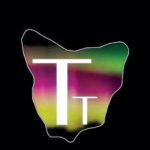
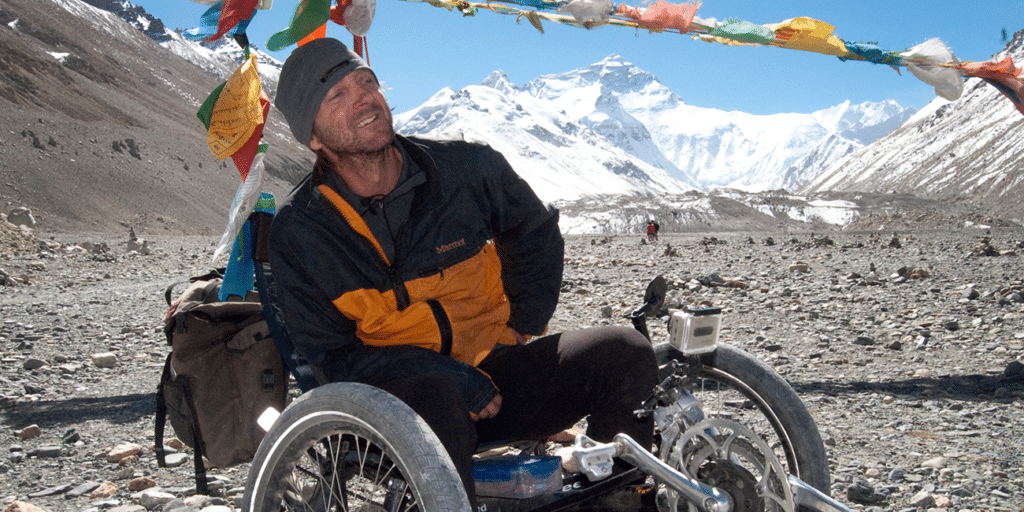

Paul Pritchard, mountaineer, charity fundraiser, disability awareness educator, Australian of the Year 2017, and author of The Longest Climb, must be a lovely fella. No one could put his kind, loyal and generous friends and family through so much and not be incredibly nice – because to do what he did, after his awful accident, and needing the teeth-gritting support of everyone around you, you’d need to be very well-loved.
You’d also need a steely sangfroid to quash your own doubts, and those of others, despite the head injury, the hemiplegia, the issues with balance, the near-crippling fear – and all to be amongst the mountains again where the accident happened.
It begs the question: why put yourself through absolute hell to regain a fingernail death-grip on the rocks that damn near killed you?
I’ve climbed a few (small) mountains in the Rockies, Alps and Himalayas, but Pritchard’s career is on a vastly different level, one that only comes with a great deal of obsessive hard work, extensive and unrelenting training, extreme team-planning, and stunning levels of risk – all to find oneself and one’s comrades on top of a very high bit of rock, feeling very, very alive. It comes as something of a surprise to most of the rest of us earth-bound mortals that, “as with all my climbs…the enjoyment and fulfillment…only comes in retrospect when one is safely back on the ground.”
Paul was one of the world’s leading climbers, capable of leading on the most terrifyingly difficult and challenging routes in the most remote places on Earth…
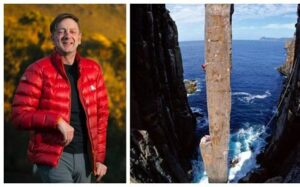

…until, one fateful day, climbing in Tasmania on a ridiculously sheer splinter of rock, the Totem Pole, rising straight up out of the ferocious Southern Ocean, Paul’s life changed forever when a large rock fell onto his head, smashing it open.
The story of how he survived horrific injuries via the narrowest of escapes is only the beginning of the real story – the longest climb from head injury and disability to make a return to – and it makes me wince to say it – climbing mountains. With one side of his body almost fully paralysed, a permanent brain injury, plus a big part of his skull missing, one small fall and it’s all over red rover. Or so you’d think…
The Longest Climb is a memoir of the years since his survival. He relates his time in the rehab centre, making little progress, and watching troubled and grieving visitors come less frequently for his ward mates, who were, so often, parked in front of the television with little to no ability to even change the damn channel.
‘I clung on, waiting interminable hours, sometimes days between visits from friends and family… Recovery from a brain injury is slow. Many people can’t see an end to their anguish, and their resolve to continue battling weakens.’
What to do? Hogging the remote and sinking into depression was an option, but Paul chose, instead, to write his first book, The Totem Pole – a million keystrokes using a single finger. Then he reconnected with his global network of climbing friends and colleagues, and talked them into supporting him stumble, fall, crawl and drag his way back into the hills and mountains.
How hard was that endeavour? I swear, if you removed every reference to falling over, suffering injury after injury, The Longest Climb would be a pamphlet.
All this falling over and getting up again led to charity hikes, trike rides, and climbs, despite the fits, blackouts, difficulty with balance, and not-being-able-to-walk-normally.
He worked with what he had – one arm, one leg, and all those family and friends I mentioned – and he hasn’t stopped achieving, not just for himself, but for everyone living with a disability, or needing to know what that’s like. On the hardship of it all, he references a mate of his, Jamie Andrew, a climber who lost his hands and feet to frostbite, who said: “Constantly being indebted to people isn’t such a bad thing either. It brings you closer, builds bonds.” But this insight is hard-won, and is daily challenged by the reality of other, “abled” people’s assumptions and behaviours toward someone with a visible disability.
For Pritchard, and I suspect for his family and friends, Paul’s apparently awe-inspiring resilience is really the same mad, joyous, yet focused pragmatism required for the most serious of climbs, a love of wild nature he’s never lost.
“What is courageous isn’t the absence of fear, but the ability to just do it scared.”
Useful advice for us all.
The Longest Climb, by Paul Pritchard, 2024, Rocky Mountain Books, 286pp, ISBN: 9781771606905
B.P. Marshall is a scriptwriter and author (who once foolishly broke his leg and suffered frostbite in the Canadian Rockies, after launching himself off a mountain peak on skis, discovering, as he picked up speed, that a warm front had turned the deep snow into the consistency of freshly-poured concrete. After spending a night in a hut, keeping his climbing partners awake with his pathetic groaning, he was subjected to a helicopter rescue that was so terrifying, even the pain of the frostbite was forgotten.)