Advertisement / Sponsored Content
This content is paid advertising and has been prepared in collaboration with the advertiser.
This post remains active as a legacy issue and is being phased out from January 2026.
Tasmanian Times no longer accepts requests for paid content or advertorials.
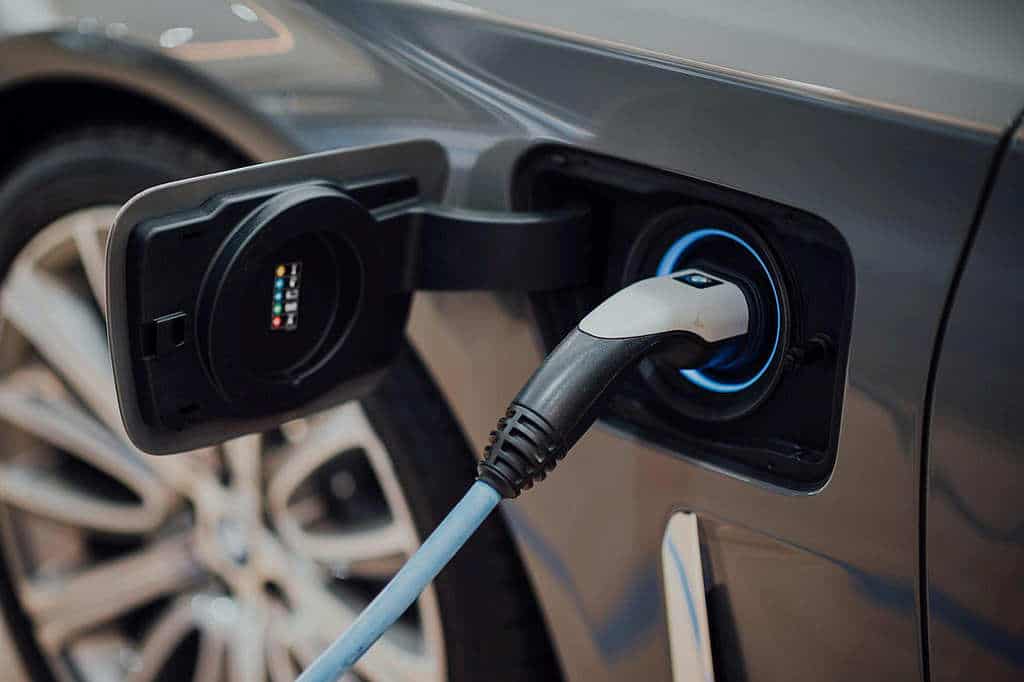
The journey towards sustainable transportation is more than a trend; it’s a vital shift in how Australians view and use mobility. With the rise of electric vehicles (EVs), the nation is embracing a significant transformation aimed at reducing carbon footprints and enhancing urban air quality. This article explores the evolution of the EV market in Australia, highlighting the contributions of key figures like Simon Wakim, Tim Washington, and Claire Johnson. Their efforts underscore a broader movement towards environmental conservation and the pivotal role of EVs in this green revolution.
Evolution of the EV Market in Australia
The electric vehicle market in Australia has seen remarkable growth, with adoption rates climbing thanks to increasing consumer awareness and supportive government incentives. Initiatives such as tax rebates and grants for EV purchases have made these vehicles more accessible. Tim Washington, a key player in expanding EV infrastructure, notes the growing network of charging stations as a critical element in supporting this growth, ensuring that EV owners can travel with greater confidence and convenience.
Public perception of electric vehicles has shifted significantly. Once seen as a niche market with limited options, the EV industry now offers a range of models catering to various needs and preferences. This change is reflected in sales figures, which show a steady increase in EV purchases across the country. The government’s role is crucial, with policies aimed at reducing greenhouse gas emissions and promoting sustainable transport solutions playing a significant part in this shift.
The infrastructure for electric vehicles continues to develop, addressing one of the most significant barriers to EV adoption: range anxiety. Tim Washington’s company, Jet Charge, has been instrumental in building a robust network of charging stations across Australia. This development not only supports current EV owners but also encourages potential buyers considering an electric vehicle, knowing that charging needs are increasingly being met.
Environmental and Health Benefits of EVs
Electric vehicles offer substantial environmental benefits, primarily through the reduction of emissions that contribute to pollution and climate change. Unlike their gasoline-powered counterparts, EVs produce no direct exhaust emissions, which means significantly cleaner air in urban environments. This shift is crucial for cities where traditional vehicle emissions have long posed health risks to residents.
Claire Johnson, a staunch advocate for cleaner energy sources, emphasises the broader health benefits of adopting electric vehicles. Reduced air pollution leads to lower rates of respiratory diseases and other health issues associated with poor air quality. As more Australians switch to EVs, we can expect a notable improvement in public health, particularly in densely populated urban areas.
The impact of electric vehicles extends beyond immediate environmental and health benefits. EVs contribute to the reduction of greenhouse gas emissions, aligning with global efforts to combat climate change. This is particularly important for Australia, a country that has faced significant environmental challenges, including bushfires and droughts exacerbated by global warming. Transitioning to electric vehicles is a critical step in mitigating these issues.
Economic Implications of the EV Revolution
The rise of electric vehicles is reshaping Australia’s economy. The EV sector is not just about manufacturing and selling cars; it encompasses a wide range of industries, including energy, technology, and services. This diversification has led to the creation of new jobs and has spurred innovations in related sectors, contributing to economic growth.
The traditional automotive industry is experiencing a shift as well. Companies that once focused solely on gasoline vehicles are now investing in electric technology, driven by changing consumer preferences and regulatory pressures. This transition, while challenging, offers long-term economic benefits as businesses adapt to a more sustainable model.
Moreover, the economic implications of the EV revolution extend to energy consumption patterns. Electric vehicles offer the potential for reduced dependence on imported oil, enhancing energy security and stability. This shift not only has economic benefits but also geopolitical implications, positioning Australia as a leader in the global move towards sustainable transportation.

Overcoming Infrastructure Challenges
Despite the growing popularity of electric vehicles, significant challenges remain, particularly regarding infrastructure. ‘Range anxiety’—the fear of running out of battery power without access to a charging station—remains a significant barrier for many potential EV buyers. Addressing this concern requires a concerted effort to expand and enhance the charging network across the country.
Tim Washington’s Jet Charge is at the forefront of this initiative, working to install more charging stations in both urban and rural areas. This expansion is crucial for building consumer confidence in EV technology, ensuring that drivers can find convenient, reliable charging options wherever they travel. The development of faster charging technologies is also helping to make electric vehicles more appealing to the average consumer.
However, infrastructure is not just about charging stations. It also involves the integration of EVs into the broader energy system. This includes the capacity of the national grid to handle increased electricity demand and the potential for EVs to contribute to energy storage solutions. As the market grows, these issues will require innovative solutions and strategic planning to ensure a smooth transition to electric mobility.
Advocacy and Policy Driving the Green Transition
Advocacy and government policy play pivotal roles in promoting the adoption of electric vehicles. Claire Johnson, through her work in sustainable transport advocacy, has been instrumental in influencing policy and engaging the public on the benefits of EVs. Her efforts highlight the importance of cohesive strategies that align government action with grassroots movements to drive change.
The regulatory environment is also critical in shaping the EV landscape. Policies that support the development of EV infrastructure, provide financial incentives to buyers, and set emissions targets for manufacturers are essential for accelerating the transition to electric mobility. These measures not only encourage consumers to choose EVs but also push the automotive industry towards more sustainable practices.
Public engagement is another crucial aspect of driving the green transition. By educating consumers on the benefits of electric vehicles and the importance of sustainable practices, advocates like Claire Johnson play a vital role in shifting public perceptions and behaviours. This grassroots level of engagement is necessary to build broad support for the changes needed to achieve environmental and health benefits.
Simon Wakim and the Luxury EV Market
In the realm of luxury electric vehicles, Simon Wakim has made a significant impact. With over two decades of experience in the luxury car market, his insights have been crucial in shaping the premium segment of the EV market in Australia. His involvement in the introduction of BYD, a leading global EV brand, to the Australian market has helped elevate the profile of electric vehicles among consumers.
Simon’s approach combines a deep understanding of customer expectations with a commitment to quality and sustainability. His strategic roles in various luxury dealerships have given him a unique perspective on the evolving demands of the market, particularly in the context of increasing environmental awareness among consumers. This has allowed him to effectively navigate the challenges and opportunities presented by the luxury EV market.
Moreover, Simon’s advocacy for supporting infrastructure, such as charging networks, underscores the interconnectedness of the EV ecosystem. His recognition of the importance of comprehensive infrastructure for the success of the luxury EV market demonstrates his holistic understanding of the industry. This approach not only benefits consumers by providing a more seamless and enjoyable driving experience but also contributes to the broader goal of sustainable transportation.
Real-Life Impact Case Studies of EV Users
Across Australia, families, businesses, and individuals are embracing electric vehicles, each with unique stories of transition and impact. These real-life examples provide valuable insights into the practical benefits and challenges associated with EVs, offering a ground-level view of the green motoring revolution.
One family in Melbourne shared how switching to an electric vehicle significantly reduced their monthly fuel costs and lowered their carbon footprint. The convenience of home charging and the reduced maintenance requirements compared to gasoline vehicles were also highlighted as major benefits. However, they noted challenges such as planning longer trips around charging station locations, illustrating the ongoing need for infrastructure development.
Businesses, too, are seeing the advantages of transitioning to electric fleets. Delivery companies have reported improved efficiency and reduced operational costs after replacing their gasoline vans with electric models. The positive environmental impact of this change has also enhanced their brand image among eco-conscious consumers. Yet, the initial investment and the learning curve for drivers were identified as initial hurdles.
The Future of Green Motoring in Australia
Looking ahead, the future of green motoring in Australia appears promising, with several trends and technological advancements poised to further transform the landscape. Continued innovation in battery technology and charging infrastructure is expected to make EVs even more accessible and convenient for a broader range of consumers.
Potential new policies could play a significant role in accelerating the adoption of electric vehicles. Initiatives such as stricter emissions regulations for traditional vehicles and expanded incentives for EV buyers could drive faster change. International cooperation on environmental standards and technology sharing could also enhance Australia’s capabilities in green motoring.
Moreover, upcoming innovations in vehicle technology, such as improved energy efficiency and autonomous driving features, are likely to make electric vehicles an even more attractive option. These advancements, combined with a growing public awareness of environmental issues, suggest that the shift towards sustainable transportation will continue to gain momentum.
Embracing a Sustainable Future
Reflecting on the journey of green motoring in Australia, it’s clear that the transition to electric vehicles is not just about changing the type of car we drive. It’s about embracing a broader vision for a sustainable future, one that includes cleaner air, healthier communities, and a more resilient economy. As individuals, our choices and actions play a crucial role in this collective effort.
By considering the adoption of electric vehicles, we contribute to a significant reduction in environmental impact. Supporting policies and initiatives that promote sustainable transportation also helps accelerate this positive change. As we move forward, it’s important to stay informed and engaged with the developments in green motoring, ensuring that we are part of the solution to environmental challenges.
This transformative journey offers an opportunity for all Australians to rethink our relationship with transportation. By choosing sustainable options, we not only benefit ourselves but also contribute to the well-being of our communities and the planet. Let’s continue to drive forward, steering towards a cleaner, greener future.
Advertisement / Sponsored Content — This content is a paid advertorial published in consideration of payment or other commercial benefit. The views, claims, statements, offers and representations are those of the advertiser and do not necessarily reflect the views of the publisher, which does not endorse or verify them. This material is provided for general promotional information only and does not constitute legal, financial, medical, investment or other professional advice; readers should make their own enquiries and seek professional advice before acting. Claims, testimonials and performance statements have not been independently verified unless stated. Offers and availability are subject to change and additional terms. This advertorial may contain links to third-party websites and the publisher may receive commissions or other benefits from reader engagement; the publisher is not responsible for third-party content or fulfilment. To the maximum extent permitted by Australian law, the publisher disclaims liability for reliance on this content, and nothing limits rights that cannot be excluded under the Australian Consumer Law. Where applicable, this advertorial is authorised by the advertiser and does not constitute independent editorial content.