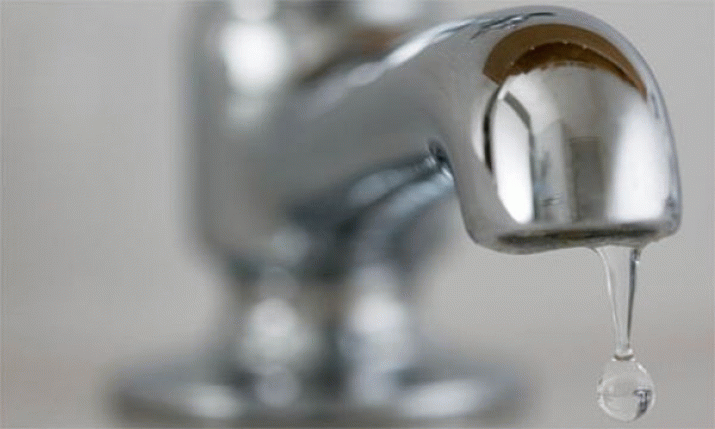
Residents acknowledge the problem — and the potential disaster it could cause — and then go about wasting more of the precious resource
SAN FRANCISCO (MarketWatch) — Californians have been warned to cut back on their wasteful water usage. They’re not, and we’re all going to have to pay for it.
For a couple of years now, the state has been on high alert. Gov. Jerry Brown asked residents to cut back water usage by 20%, which some argued wasn’t enough, given the dire circumstances. Residents and businesses responded with 8.8%.
The irony is thicker than gluten. Environmental alarmism is the official state pastime. But water only gets lip service.
So state officials must resort to disciplining the citizenry. Unprecedented water rationing could come any day. Some homes and businesses would be limited to outdoor watering just two days a week. Fines for unrepentant water wasters could reach $500 a day.
Still, the state’s threats don’t seem credible enough to actually stop people from watering their fern palms. Everyone out here talks about the drought. But no one seems to be doing anything about it.
As the state’s four-year intensive drought drags on, the ramifications of who wins and loses the fight will have global implications. It’s not just about the price of watering your lawn in Los Angeles; it’s about the price of food on the table.
There are three main factions engaged in the conflict: environmentalists who want to preserve the watersheds, residents who want to keep shrubs green and washing machines churning; and the state’s massive $21.4 billion agriculture industry.
The only thing the sides agree on is this: There is not enough water to go around. And, according to Jay Famiglietti, a NASA scientist: “The simple fact is that California is running out of water,” he wrote in the Los Angeles Times March 12. “Right now the state has only about one year of water supply left in its reservoirs, and our strategic backup supply, groundwater, is rapidly disappearing.”