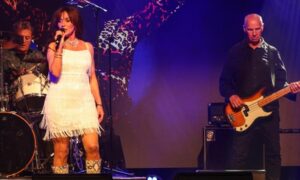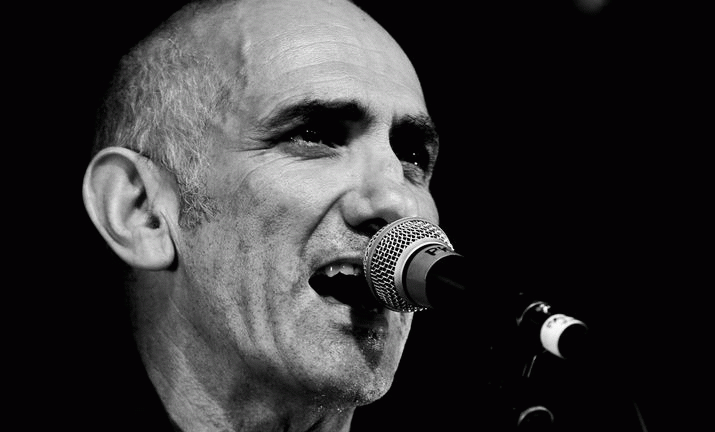


Around the time when MONA (Museum of Old and New Art) first opened I started photo documenting the MOFO festival for the Curator Brian Ritchie.
I hadn’t seen the previous festivals so it was my first look into MOFO world. The first things that struck me about the festival were the obvious things, like the variety, the quirkiness and the sheer volume of acts.
It wasn’t long though, before I realised that this was far more than a compilation of the weird and wonderful to be, weird and wonderful for its own sake. The festival was curated in such a way that a ticket holder was in for an endurance event that would bounce from gruelling to euphoric and anywhere in between over the festival.
The audience is always a mixture as diverse as the acts presented, with the silver hair artistic elite, top-knotted hipsters, masses of Joe averages and a few bogans looking to pick up all bundled together.
The mixture of people gathering to enjoy the festival is vital to its rhythm. The different reactions of the audience are as much a part of the art as the acts themselves.
I must admit I cringed when the Dark Mofo Curator Leigh Carmichael in a media interview triumphantly announced X amount of hipsters from Melbourne had travelled here for the first Dark MOFO festival. Both MOFO and Dark MOFO don’t need validation by audience type. It smacks of small island insecurity to make those statements in my opinion. Something has been created with these festivals that never needed bearded mainland validation in the first place.
I have seen many performances when covering the festival in the past few years that appeal to my musical taste; I have a fairly broad palate which is certainly well catered for.
There have also been several of acts that individually I would have no desire to see but find the placement in the festival to be not only appropriate, but find myself enjoying them because of their relationship with the rest of the experience.
The variety of acts ensures that strange events that normally appeal to a small amount of people are thrust before a bigger audience. A safe haven is created by the resources of the Museum’s owner David Walsh, the passion of the staff and the desire to share ideas and concepts that appeals to the curator and event team.
The festival has an evil sibling …
This haven also provides exposure not usually afforded to local artists either directly or indirectly associated with the festival. Even the more detached artistic performances that might draw large crowds of the conceptually converted at overseas venues get seen by a broad range of people.
The festival has an evil sibling – Faux Mo. This offering is the festival’s late night sideshow and it is an opportunity for being totally disorientated whilst being pleasantly stripped of the cerebral sophistication that one endures at arts festivals. It gets primal and absurd. Faux Mo is its own country and forms its own community every night and this is something I would like to shoot more of in the future.
This year’s MOFO event was a mix of crowd pleasers, soft tones, rich textures, dark grating cacophonies and visual feasts. This mixture is an ongoing theme for the festival but after several years it does not feel like a formula. Crowd numbers were bigger than ever and the event’s visual centrepiece Exxopolis was despite wind closures worthy of checking out in its own right.
Most people will rave about it and the festival will continue to grow. In what form this takes is anyone’s guess, but hopefully it continues to bring a combination of cultural expansion, bad taste,
mediative sounds and walls of noise with some headline acts. There are many ways to define success; to me the success of the festival would be if it remained interesting.
MOFO this year – in this simple farm boy’s opinion – was successful based on that criteria.
I think the key risk for this shindig would be if the festival lost some MOFO mojo by trying to keep it fresh, catering to trends whether conceptual or mainstream.
With the massive commercialisation of alternative culture that occurs organically, events like MOFO and Dark MOFO have more importance than ever, and the safe haven they provide people with genuine creative intent is what makes the festival.
People crave some reality these days … even if it is art wank it’s genuine art wank.
So how does a festival grow without jumping the sharks? How not to become a caricature of the original ideas that started it all? I personally think Curator Brian Ritchie has a low threshold for the uninteresting and the event will handle its growth with the simple philosophy of interesting is good.
Don’t go changing MOFO, but make sure you go rearranging or something like that.