Travel
An instant ghost town called Varosha

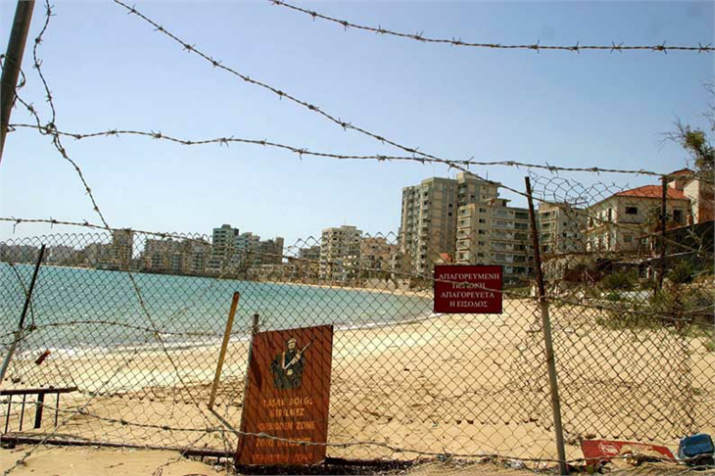
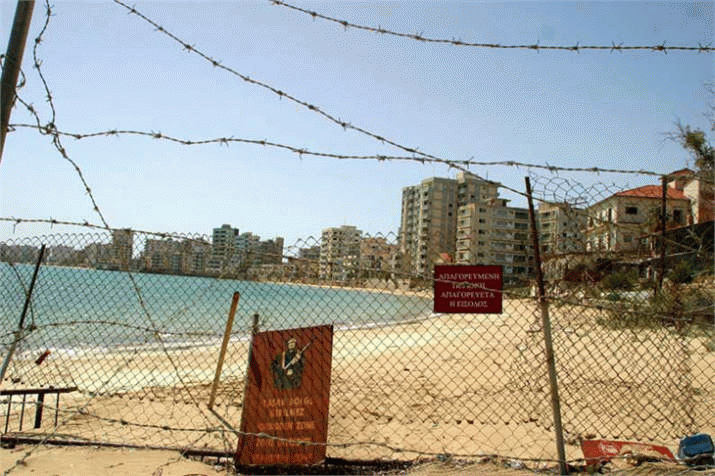
Now: Beach behind barbed wire

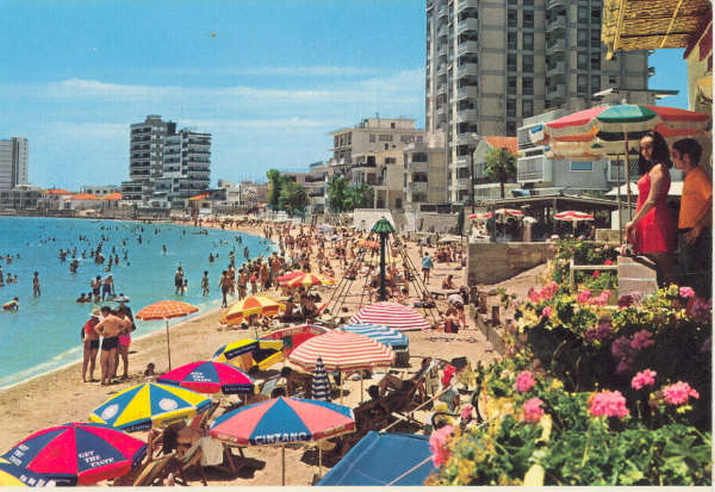
Then: Varosha in its heyday

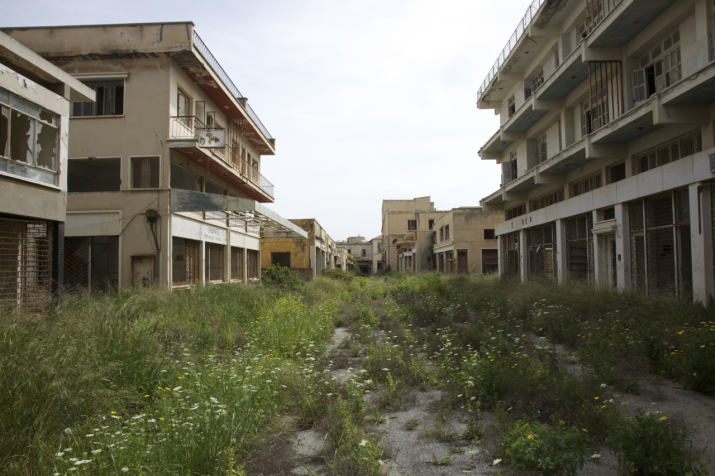
Now: An abandoned urban street
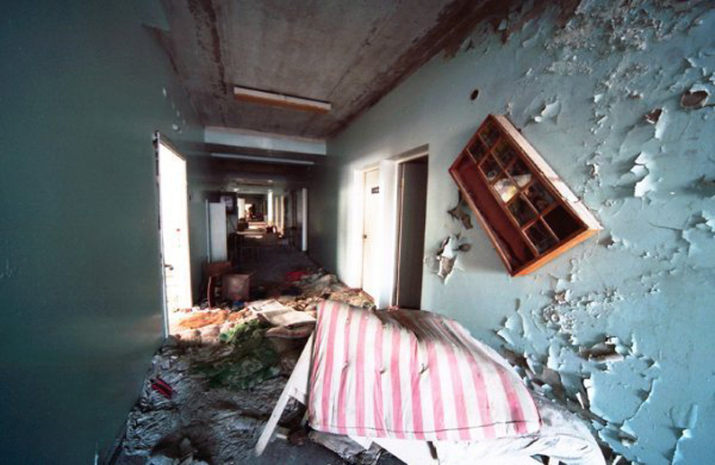
Now: Inside an abandoned hotel

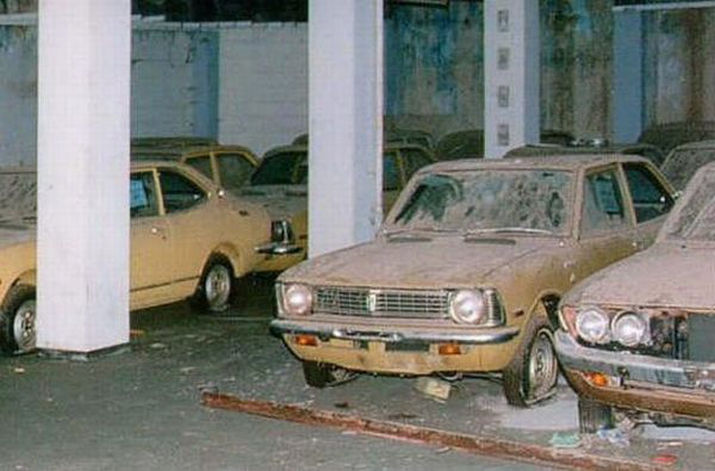
THESE once-luxury, now forlorn looking cars have been in this dealership showroom for 40 years. (UrbanGhostBusters)

A-NEAR half century ago it was one of the most famous beachfronts in the world, a magnet of sun, sand and 5-star-plus hotels for the rich and famous.
A place whose Argo Hotel was hailed by Elizabeth Taylor as her favourite, where a parading Brigitte Bardot would stop traffic in the streets, Raquel Welch had ogling fans dropping everything in their rush for cameras, and Richard Burton set female hearts a-flutter as he strode bare-chested along its sands…
But 40 years ago, in July 1974, all that changed: with the backing of Greece, Turkey invaded Cyprus and in just hours this stunning multi-billion dollar beachside resort called Varosha became a ghost town as 35,000 residents and thousands of tourists fled in fear of being massacred in the battle they were told was coming to the streets of the-then Cyprian paradise.
And when the Turkish Army finally did arrive and take control, it fenced-off six square kilometres of Varosha from its surrounding city of Famagusta, and which is how it’s remained to this day – with signs on barbed-wired fences warning that photography is forbidden… and anyone fool-hardy enough to set foot in this no-man’s-land knowing they could be shot on sight by the still-occupying Turkish military.
Varosha’s abandonment was one of the quickest and most bizarre in modern times. Guests literally stampeded out of hotels and resorts upon hearing of convoys of Turkish troops being just hours away and closing in fast on the luxury seaside enclave. In their haste to escape, they left designer-clothes hanging in resort wardrobes, showers still running in bathrooms, and some even arrived at airport ticket counters dressed in little more than skimpy beachwear and wraps…
Many didn’t even think to check-out and pay hotel and resort bills – not that in a lot of cases they could have: staff had already fled before them.
Restaurants and bars were abandoned with meals and drinks left on tables and counters, and seen through binoculars from outside those barbed-wire fences to be still there days later. Food was left cooking on stoves in hotels and homes alike, lights, air-conditioning and other facilities ran until either shut down by the invaders, or simply failing days or weeks later…
Rushing families left washing drying on lines, department stores and supermarkets were abandoned with shelves fully-stocked, many hotel car-parks to this day are still cluttered with guests’ abandoned rental vehicles, while one auto showroom still has wall-to-wall, dust-covered 1974 model then-luxury cars languishing on flattened tyres…
And next-door to this auto showroom, a former fashion house’s windows display mannequins draped in faded chic styles from four decades ago…
As well, because invasion day was a Saturday, families talk 40 years-on of fleeing wedding services and receptions, leaving wedding breakfasts untouched and thousands upon thousands of dollars’ worth of gifts still wrapped and walked away from in homes and reception centres.
For looters prepared to risk their lives up to the minute of invasion, Varosha was an Aladdin’s Cave.
Journalists sent to cover the bizarre event were banned from entering town, describing the place from observation points outside the fences as “an instant ghost town.” One who was there in 1974 and who re-visited earlier this year, wrote of the place today “as like a Hollywood post-apocalyptic nightmare…”
And despite threats of death if caught inside the wire rim of this ghost town, those who’ve braved slipping-in describe sights they confront as macabre – but rarely ever do they put their names to photographs taken and observations noted when selling their experiences to eager newspapers and magazines world-wide.
Their tales, however, record not just the dilapidated state of Varosha today, but how Mother Nature is taking back this once-crowded 5-star beachside retreat. Invasive prickly pears grow prolifically along streets and pavements, they say, and sturdy trees flourish inside lobbies of hotels and office-blocks, and sprout through floors of once-palatial homes.
Vines wrap disused power poles, corroded metal windows hang dangerously askew from multi-storey buildings, and rain and winds have trashed still fully-furnished, but now shambolic, once-luxury retreats.
As one former resident said: “All the buildings were once slowly falling apart, but now all are doing so much more quickly. Soon it will be no more – will the Turks still want Varosha then?”
David Ellis, ellispr@bigpond.net.au