Australia has now joined the list of countries affected by H5N1 avian influenza, a virus that has spread widely among bird and mammal populations across much of the world.
For many years, scientists recognised that the virus would likely reach Australia eventually. Two possible routes were considered: migratory birds arriving from the Northern Hemisphere, or seabirds moving north from Antarctic and subantarctic regions during winter. The latter pathway was regarded as the greater risk because the shorter distances involved would increase the chances of infected birds surviving the journey.
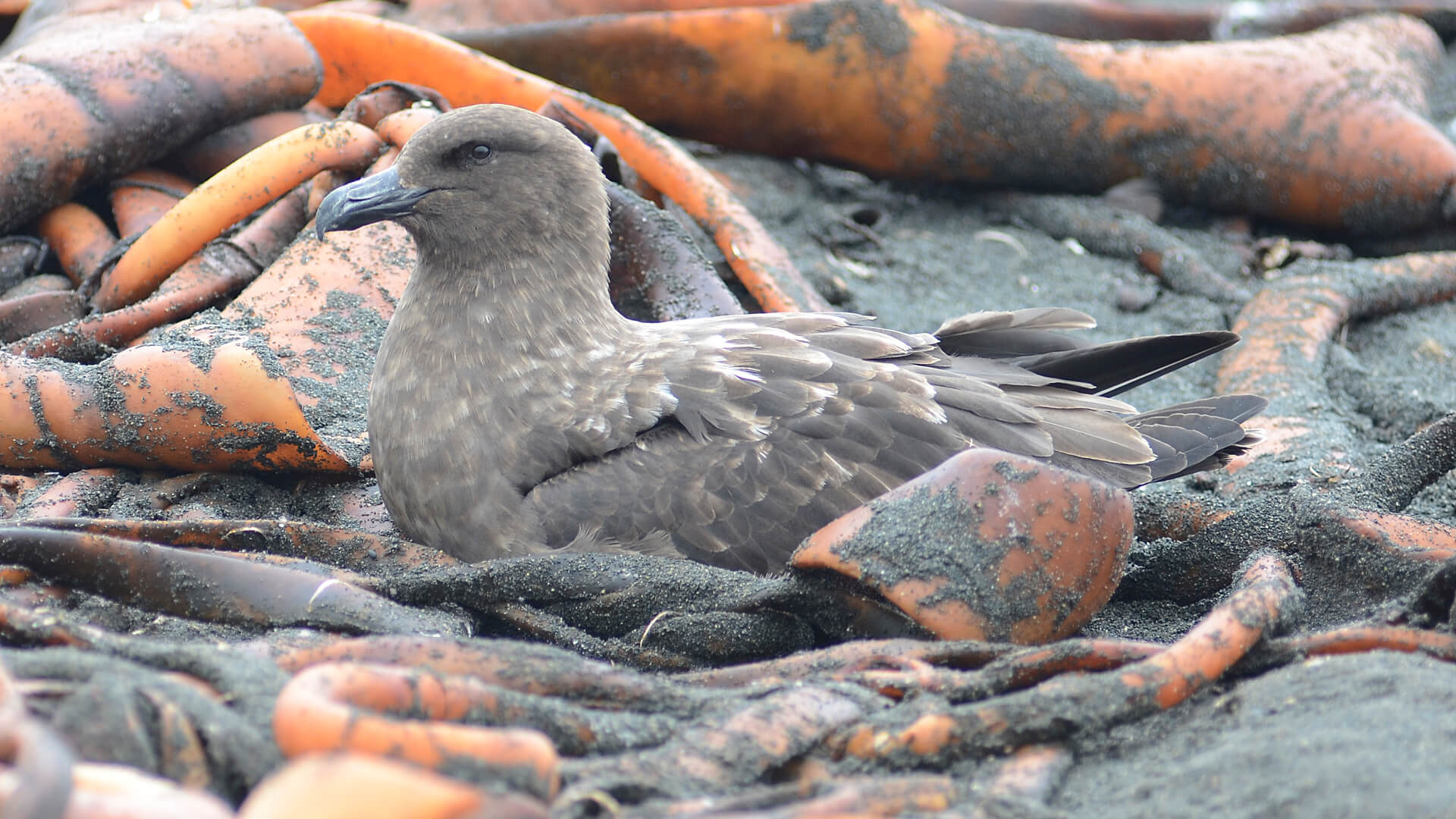
The recent detection of H5N1 in a Brown Skua and a Northern Giant Petrel suggests the virus may have entered Australia via the Southern Ocean. Heard Island, a breeding location for Brown Skuas, has already experienced outbreaks associated with deaths of Southern Elephant Seals and several seabird species.
What H5N1 will mean for Australia’s wildlife remains uncertain. The impacts seen overseas have varied considerably between regions and species, making it difficult to predict how native birds, marine mammals, and poultry here may be affected. Comparisons with Europe, North America, or other locations can provide some context, but they offer no reliable blueprint for what may occur in Australia.
One advantage Australia has had is time. Because the virus arrived here later than elsewhere, governments and biosecurity agencies have been able to prepare extensively. Federal, state, and territory authorities have developed coordinated response plans, assessed numerous outbreak scenarios, and established protocols designed to reduce risks to wildlife and livestock.
Despite this preparation, significant uncertainty remains. No one can confidently predict where future detections will occur or how quickly the virus may spread. Tasmania is one possibility, given the number of Southern Ocean seabirds currently present in local waters, but outbreaks could emerge anywhere along Australia’s vast coastline.
This is where the public can make a valuable contribution. Early detection is critical, and community observations may provide the first indication of new cases. People should be alert for birds or marine mammals displaying unusual behaviour, including difficulty standing, walking or flying, respiratory problems, or an unwillingness to move. Multiple dead birds in one location should also raise concern.
Importantly, sick or dead animals should never be handled. Anyone who encounters a suspected case should keep their distance and report it by calling the Emergency Animal Disease Hotline on 1800 675 888. In a situation like this, authorities would far prefer to investigate reports that prove harmless than overlook an actual outbreak.
Although H5N1 represents a serious potential threat to Australia’s wildlife, the risk to human health remains very low. The most effective response is not panic, but vigilance. By staying informed, recognising warning signs, and reporting concerns promptly, Australians can help protect the country’s birds and marine mammals during this emerging challenge.
Dr. Eric J. Woehler OAM is a seabird ecologist who has spent five decades studying seabirds around the world, including on Heard Island.
If you’re interested in this article, please join our mailing list. It’s all free … and we won’t share your information with anyone!
If you have any comments you’d like to add to this article, please contribute via this form. We’re trialling this while we work through replacing our comments section.
Truly independent media is a cornerstone of democracy.
Remember: once they gain power the first action of every despot in modern history is to take control of the media, so please consider supporting us.
Your kids will thank you and so will your Granny, but the aspiring despots won’t…