Advertisement / Sponsored Content
This content is paid advertising and has been prepared in collaboration with the advertiser.
This post remains active as a legacy issue and is being phased out from January 2026.
Tasmanian Times no longer accepts requests for paid content or advertorials.
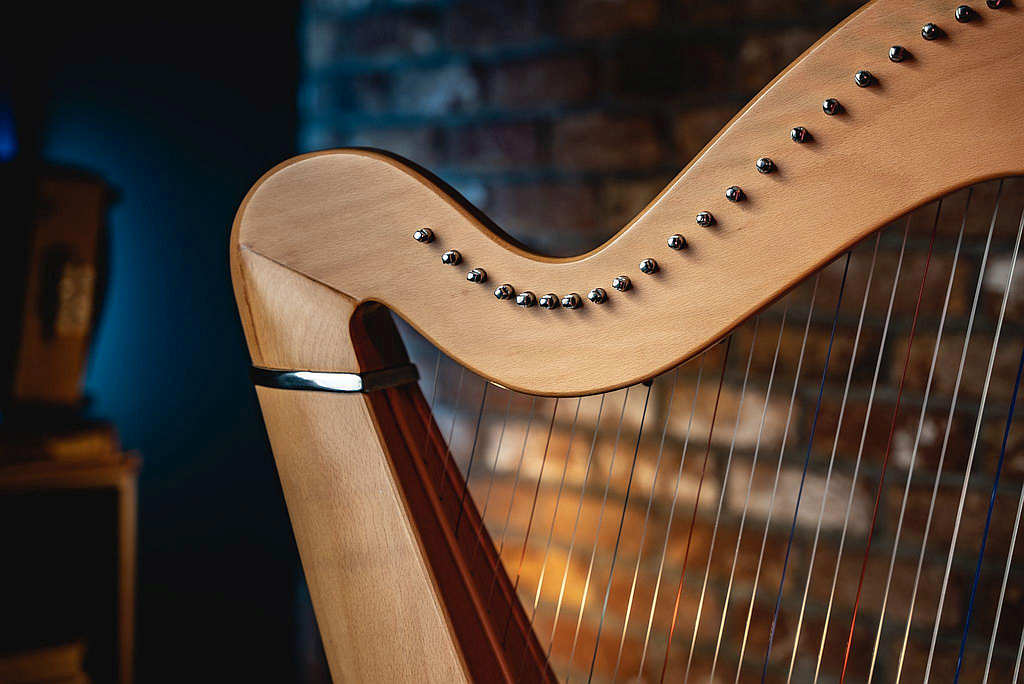
The harp, an ancient instrument with roots stretching back to antiquity, is celebrated for its ethereal sound, captivating aesthetic, and profound cultural significance. Loved by many for its versatility and unique voice, the harp continues to enchant audiences and musicians alike.
The Allure of the Harp’s Sound
At the heart of the harp’s appeal is its sound. The instrument produces a rich, resonant tone that can be both soothing and powerful. Each pluck of a string resonates through the wooden frame, creating a sound that is often described as angelic or otherworldly. This distinctive quality makes the harp particularly suited for creating atmospheres of tranquility and introspection, which is why it is frequently used in therapeutic settings. Music therapy often incorporates the harp to help patients relax and reduce stress, demonstrating the instrument’s ability to heal and comfort.
Historical and Cultural Significance
The harp’s long history adds to its mystique. Harps have been depicted in ancient civilisations, from Mesopotamia and Egypt to Greece and Ireland. These depictions underline the instrument’s longstanding importance in various cultures. In Ireland, the harp is a national symbol, representing the country’s rich musical heritage. The legacy of harpists like Turlough O’Carolan, an 18th-century blind harpist and composer, highlights the instrument’s deep roots in folk traditions and its role in storytelling and cultural expression.
In classical music, the harp has found its place in orchestras since the early 19th century. Composers like Hector Berlioz and Maurice Ravel have used the harp to add a shimmering, magical quality to their compositions. The instrument’s ability to produce glissandos and arpeggios provides composers with a unique palette of sounds, adding layers of texture and emotion to their works.
Visual and Artistic Beauty
Beyond its sound, the harp is visually stunning. Its elegant, curved shape and often intricate carvings make it a work of art. The sight of a harp on stage can be as enchanting as its sound. This visual appeal is enhanced by the craftsmanship involved in making the instrument. Harps are typically handcrafted, with artisans paying meticulous attention to detail, resulting in instruments that are both beautiful and unique. This combination of auditory and visual allure makes the harp a favorite in various settings, from concert halls to intimate gatherings.
Versatility and Adaptability
The harp’s versatility also contributes to its widespread love. While traditionally associated with classical and folk music, modern harpists have pushed the boundaries of the instrument’s capabilities. Jazz, pop, and even rock musicians have incorporated the harp into their repertoires, demonstrating its adaptability. Artists like Joanna Newsom and Deborah Henson-Conant have shown that the harp can be as dynamic and expressive as any other instrument in contemporary music. This versatility has helped the harp remain relevant and appealing to new generations of musicians and listeners.
Personal Connection and Emotional Impact
Playing the harp can be a deeply personal and emotional experience. The physical interaction with the instrument, where the musician plucks each string with their fingers, creates a direct and intimate connection. This tactile engagement allows for expressive performances that can convey a wide range of emotions, from joy to melancholy. For many harpists, this personal connection is a significant part of why they are drawn to the instrument. The act of playing the harp can be meditative, providing a sense of peace and fulfillment that is unique to this instrument.
Community and Tradition
The community surrounding the harp also plays a role in its enduring appeal. Harpists often form close-knit groups, sharing their love for the instrument through festivals, workshops, and gatherings. Events like the Edinburgh International Harp Festival and the American Harp Society’s conferences bring together musicians from around the world, fostering a sense of camaraderie and shared passion. This community aspect helps to sustain and grow the tradition of harp playing, ensuring that the instrument remains a vital part of the musical landscape.
In conclusion, the harp is loved for a multitude of reasons: its enchanting sound, rich history, visual beauty, versatility, personal connection, and the strong community it fosters. Whether in the hands of a classical virtuoso, a folk storyteller, or a contemporary innovator, the harp continues to captivate and inspire, proving its timeless appeal and enduring place in the world of music.
Advertisement / Sponsored Content — This content is a paid advertorial published in consideration of payment or other commercial benefit. The views, claims, statements, offers and representations are those of the advertiser and do not necessarily reflect the views of the publisher, which does not endorse or verify them. This material is provided for general promotional information only and does not constitute legal, financial, medical, investment or other professional advice; readers should make their own enquiries and seek professional advice before acting. Claims, testimonials and performance statements have not been independently verified unless stated. Offers and availability are subject to change and additional terms. This advertorial may contain links to third-party websites and the publisher may receive commissions or other benefits from reader engagement; the publisher is not responsible for third-party content or fulfilment. To the maximum extent permitted by Australian law, the publisher disclaims liability for reliance on this content, and nothing limits rights that cannot be excluded under the Australian Consumer Law. Where applicable, this advertorial is authorised by the advertiser and does not constitute independent editorial content.