
If you input ‘ADHD’ into an AI image generator, you’ll generally get an image of a frazzled, inattentive white boy in a classroom.
He’s frustrated, animated and causing trouble. This gendered and race-restricted image persists because what most folk think they know about ADHD, including many in the medical profession, isn’t even remotely up-to-date.
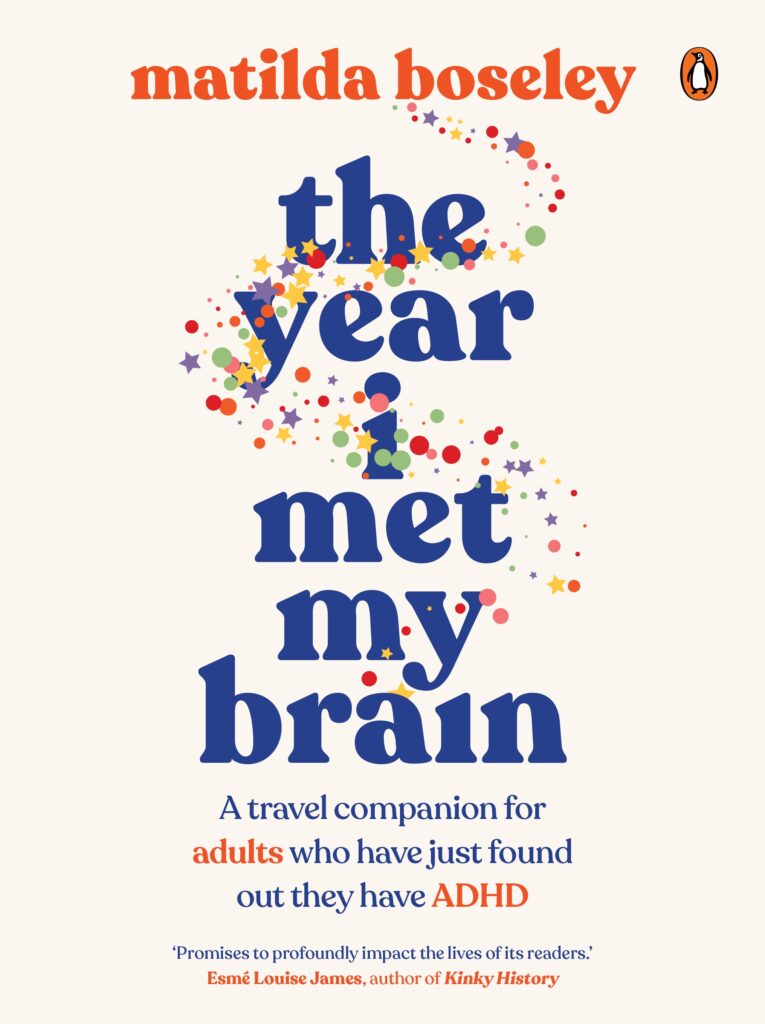
Matilda Boseley’s excellent The Year I Met My Brain – a ‘travel companion for adults who have just found out they have ADHD’, does what it says on the tin: offers cheerful, humane, useful and nuanced information on ADHD, and part of that is busting the ‘only boys get it’ myth.
It also drops some bombshells about the realities those with ADHD, and the rest of us, need to grapple with. For one, it’s not just for kids. Our youth and adult prisons and justice systems are crowded with men and women who, among their other issues, have one form of ADHD or another.
That’s right – there’s more than one type, and there’s so much more research that needs doing. So while you might be sourly thinking ‘everyone’s diagnosed with ADHD or “on the spectrum” these days’, those living with ADHD are far more common than we realise, the majority haven’t been diagnosed, and desperately need to be. Only when folk know why life is way harder for them than those without ADHD can they find treatments and approaches to coping with the hand they’ve been dealt.
And by ‘coping’ I mean not ending up in jail. Not self-harming. Not seeking psychiatric help that simply isn’t available at the scale required. Not self-medicating on alcohol, recreational drugs, gambling or reckless spending. Not crashing and burning in studies, or out of job after job.
Not costing the Australian economy $12.8 billion dollars a year.
Matilda Boseley has done a thorough deep-dive on her own condition, and has taken an informative, ethical and nuanced stance on all the issues around diagnosis, the sexism and racism inherent in the medical system, the varying attitudes within communities toward ADHD, and ways to live with it.
The Year I Met My Brain takes us through Boseley’s own story of discovery, and through the current literature, to help adult readers learn about the condition and how to live with it (or with a partner who has it). She wants the goal to be making living with ADHD less exhausting, so there’s time and energy to deal with it, and whatever else life is throwing at us. A new diagnosis might mean meds, counseling, trialing management strategies or all of the above.
Either way, it will be the start of a journey done in the relief of at least understanding what’s actually wrong. A highly readable, engaging, humane and helpful book for everyone needing some sensible pro-tips and kindness.
B.P. Marshall is a scriptwriter and author, who is lucky enough to suffer mental illnesses other than ADHD.