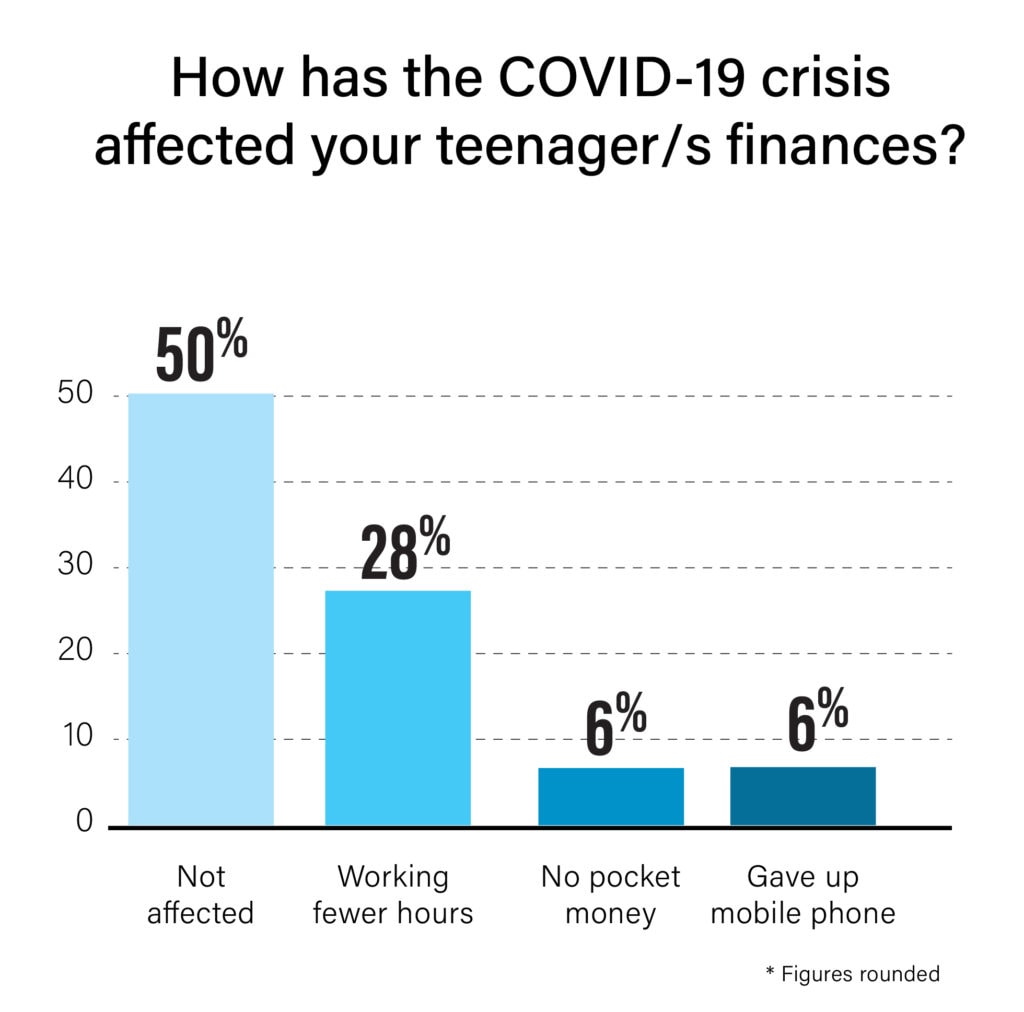
Tens of thousands of Australian teens have lost their jobs, pocket money and even their mobile phones, according to a new survey on the financial effects of COVID-19.
The survey of a thousand parents of teenagers, conducted by the independent non-profit Financial Basics Foundation, showed almost a third of Tasmanian teenagers had their work hours cut during the pandemic.
Foundation chair Brigid Leishman said the economic shock was having mixed effects.
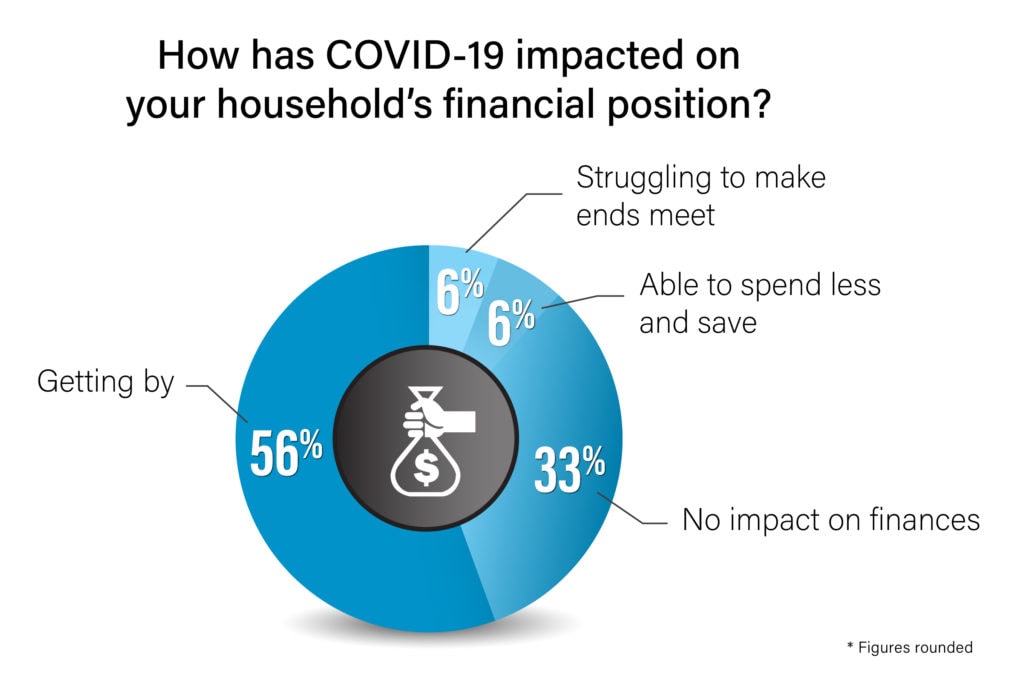
“While nationally 13% of parents admitted struggling to make ends meet since the crisis began it was slightly lower in Tasmania with almost 6% struggling during lockdown,” Leishman said.
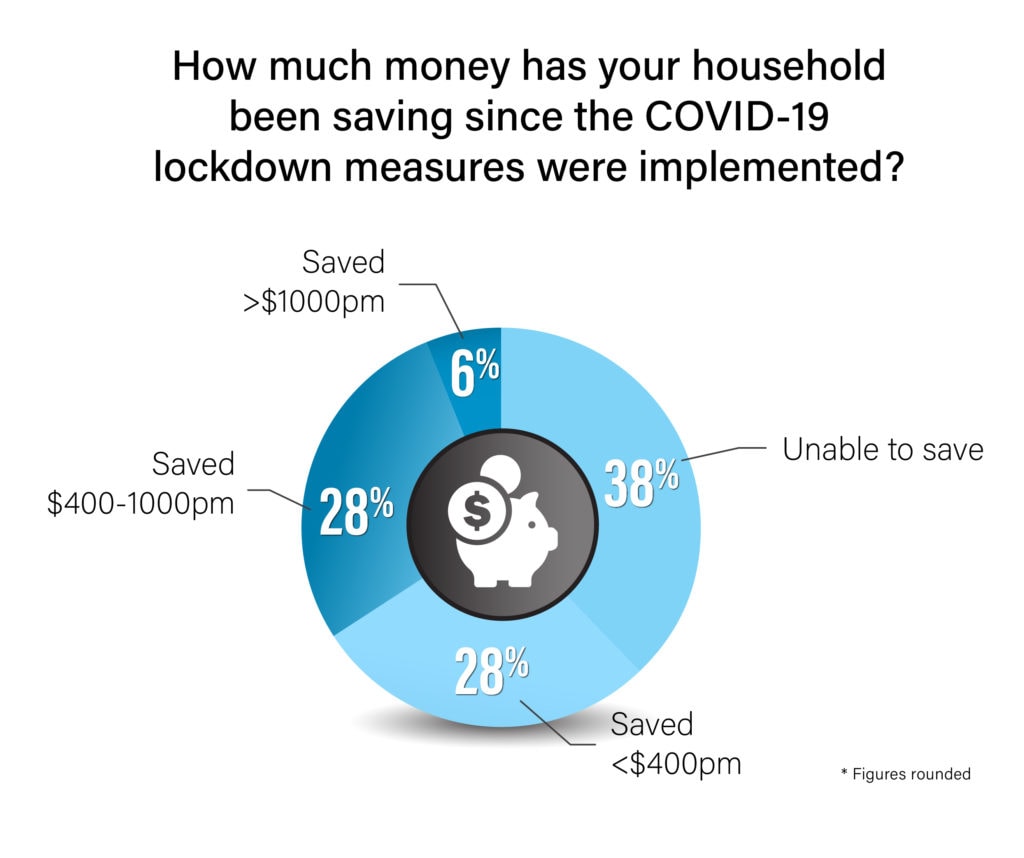
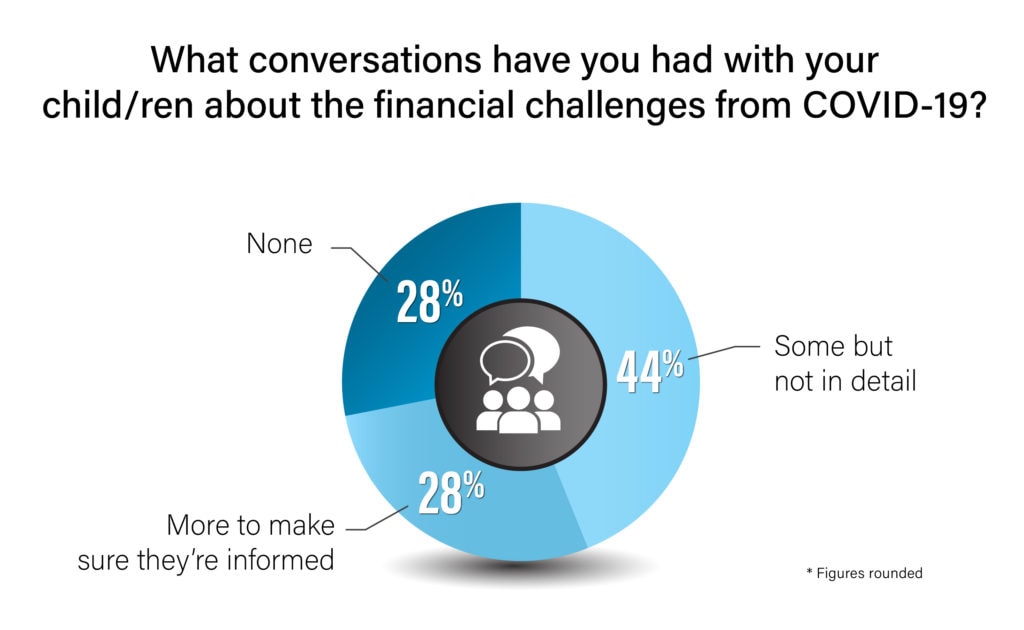
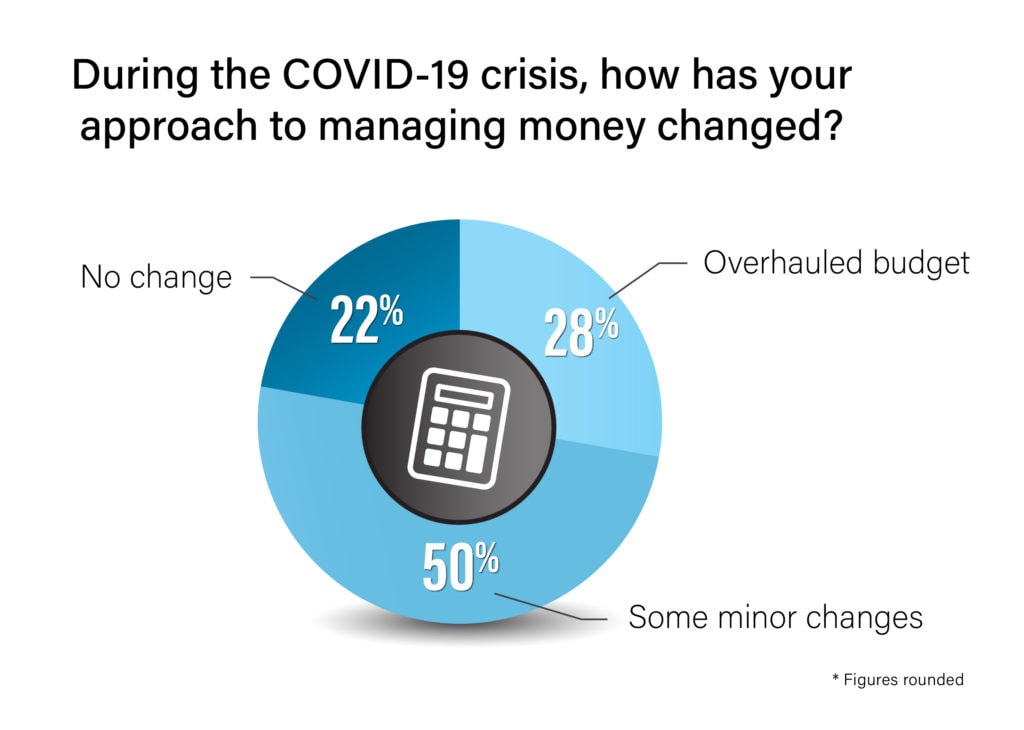
“About 28% of Tasmanian respondents had completely overhauled their budget during COVID-19 and, for some, their teenagers have to miss out on pocket money or their mobile phone.”
The survey has been released at the launch of the 2020 Suncorp ESSI Money Challenge, a free online financial literacy competition for high school students, from 17-28 August.
Leishman said these volatile times made it more important than ever to arm teenagers with financial literacy skills.
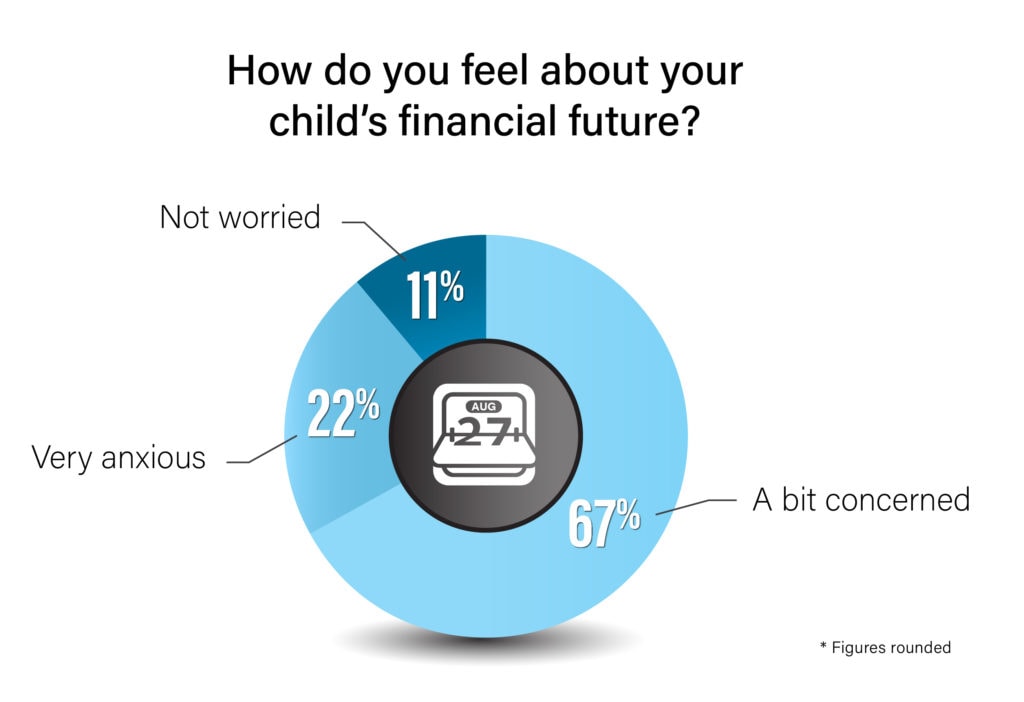
“The survey shows that nationally 25% of parents feel very anxious about their child’s financial future and 24% have not shared their money concerns with their children,” she said.
“The Money Challenge is a fun, easy way to teach teenagers valuable lessons around earning, saving, spending and investing.”
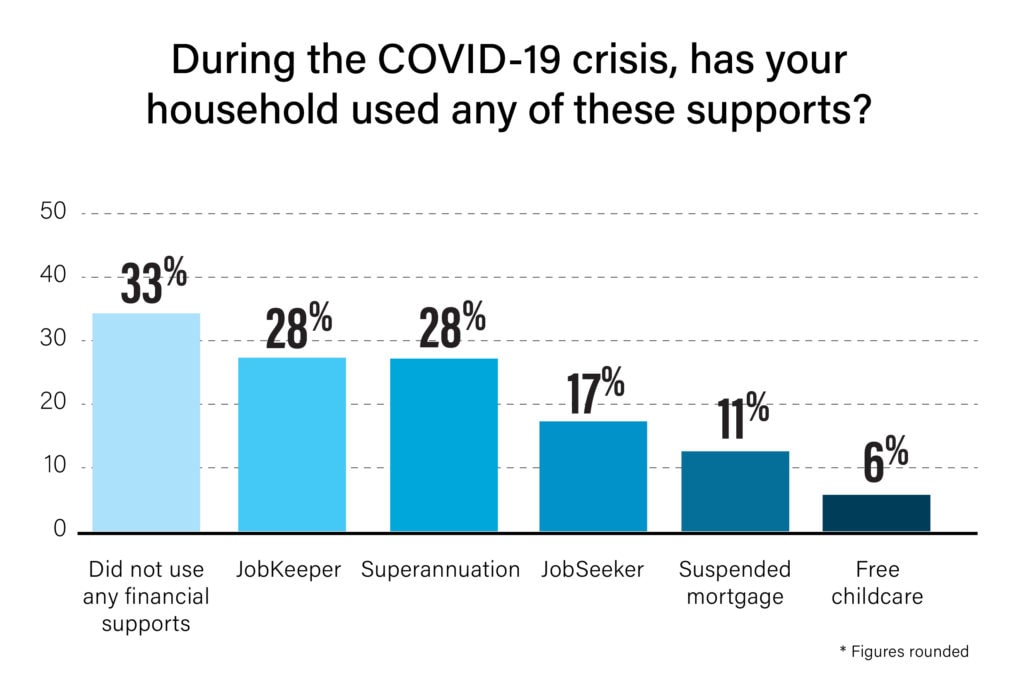
The survey also showed half the parents had accessed financial support during COVID-19, such as government payments, rent relief, superannuation and even fast cash loans.
“Some had to arrange school fee payment plans, suspended car leases and even received food from a charity,” Leishman said.
Money and household finances have been top of mind for most customers since the COVID-19 crisis began.
“The current economic environment reinforces the importance of teaching young people how to make good financial decisions including how they can handle any positive or negative shocks to their finances,” she said.
“Understanding and managing finances is an extremely important skill and helping teenagers build their financial literacy is part of our commitment to providing inclusive financial services and increased financial resilience within our community.”
Students who are doing remote learning during COVID-19 restrictions can participate in the challenge online from home.
- Nearly 65,000 students from more than 1600 high schools have played the Money Challenge over the past few years.
- The free, online game is open to all high school students and cash prizes are up for grabs.
- Teachers must register their students to play at financialbasics.org.au
Leishman also said that hundreds of thousands of Australians have been plunged into financial distress since the COVID-19 outbreak and a lack of personal finance knowledge made them vulnerable to more hardship.
She argued that personal finance should be a standalone subject in high schools to give young people a formal financial education.
“Financial literacy is a critical life skill,” she said. “We know from last year’s research that less than one in four young Australians under the age of 25 have a basic level of financial understanding and literacy.”
“It’s about knowing how to manage your money, spending, saving, investing, making good decisions. We know that some schools currently have it built into the economics or business subjects, but it isn’t standalone and it’s not compulsory.”
HOW COVID-19 HAS AFFECTED TEENAGER’S FINANCES IN TASMANIA?