Economy
Marine Debris Snapshot of Global Disaster

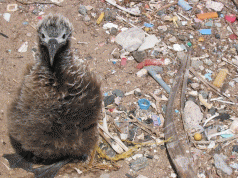

A vast assortment of marine debris collected over Easter from the South West coast of Tasmania is on display at Salamanca Market site 199 near the round-about, corner Salamanca and Gladstone St, this Saturday 7th May from 10.00 till 2.30.
Dr Jennifer Lavers will also have on display a large collection of plastic items collected from the stomach of sea birds.
This year’s South West Coast Cleanup recovered over three tons of rubbish from what most people would assume to be clean and pristine beaches.
Cleanup organiser Matt Dell said, “we’ve been retrieving, sorting and documenting marine debris in the South West since 1999 and are always staggered by the variety and quantity of rubbish collected and when you consider that this is just one tiny corner of the world just imagine how much rubbish there is in the oceans globally and increasing every day.”
This year’s clean up, was filmed by the Bookend Trust with financial support from the Southern Waste Strategy Authority (SWSA) and an educational documentary will now be produced for use in schools and on-line.
SWSA board member, Hobart Alderman Bill Harvey said, “SWSA is currently running a TV campaign focusing on the impact littering has on the marine environment and this was an excellent opportunity to support the efforts of the SW cleanup crew and to further highlight the massive issue of marine debris and its impact on marine life.”
Also contributing to the project is marine researcher, Dr Jennifer Lavers, who understands only too well the devastating cost to seabird populations and marine species.
She has been documenting the stomach contents of seabird and has found a very disturbing amount of plastic ingested, including bottle caps, cigarette lighters and a huge variety of other bits and pieces leading to malnourishment and death.
Jennifer adding, “not only does the plastic kill the chicks, but also causes very high levels of chemical contamination.” Sea birds on Lord Howe Island which feed in the Tasman Sea are the most contaminated she has come across in her years of research.
The organisers believe the situation is now critical for many sea bird and marine species and there needs to be a global commitment to curtail the use of plastics.