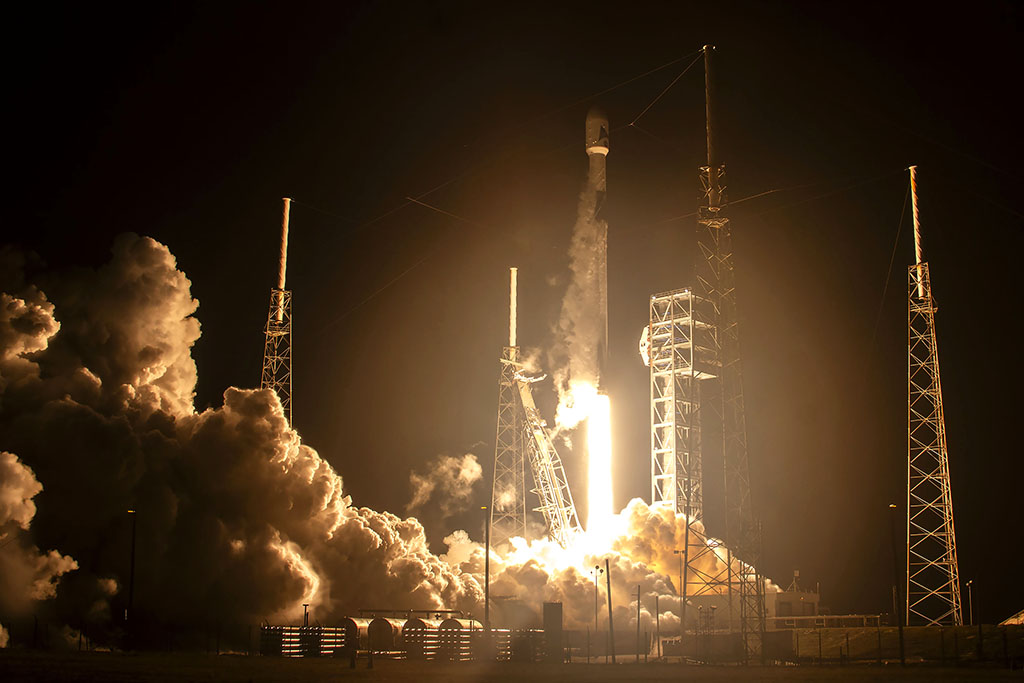
NASA’s PACE satellite, launched in 2024 will probe the Southern Ocean’s ecology, clouds and biogeochemistry. Experts convened in Hobart today to advance innovative uses of its data for climate change research.


Media release – University of Tasmania; Australian Antarctic Program Partnership – 10 November 2025
NASA eye in the sky to focus on Southern Ocean
Hobart is hosting a NASA-sponsored meeting this week about the use of its PACE satellite to observe the clouds, ecology and biogeochemistry of the Southern Ocean from space.
More than 50 people from around the world are meeting at the University of Tasmania’s Institute for Marine and Antarctic Studies for the Southern Ocean Bio-optics Workshop on 10-14 November.
Launched in 2024, PACE (standing for Plankton, Aerosol, Cloud, Ecosystem) is a NASA satellite with an advanced ocean colour sensor that detects green pigments like chlorophyll which reveal the community composition of microscopic plants known as phytoplankton.
Phytoplankton ecologist Dr Robert Strzepek said the Australian Antarctic Program Partnership hopes the international research community will develop new and innovative ways to use PACE satellite data for the Southern Ocean.
“To make the most from the PACE mission, this workshop is bringing together experts in bio-optics, ocean remote sensing, photo-physiology, biogeochemical modelling and atmospheric processes.”
“For the first time, experts in bio-optics, who use light to study biological information, are getting together with photo-physiologists who study how organisms use light energy.”
“We think the Southern Ocean may be different from other ocean basins because it has fundamentally different phytoplankton communities with unique strategies for using light.”
“PACE offers us a once-in-a-generation opportunity to better understand how phytoplankton will respond to climate change, and what this means for nutrient and carbon cycling in the Southern Ocean,” Strzepek said.
A number of people involved with NASA’s PACE mission will attend the workshop, along with scientists from the University of Tasmania, CSIRO, Australian Antarctic Division, Australian universities, the United States, Japan, Europe, United Kingdom, New Zealand and South Africa.
The Southern Ocean Bio-optics Workshop is sponsored by the Australian Antarctic Program Partnership (AAPP), ARC Australian Centre for Excellence in Antarctic Science (ACEAS), International Ocean Colour Coordinating Group (IOCCG) and NASA.
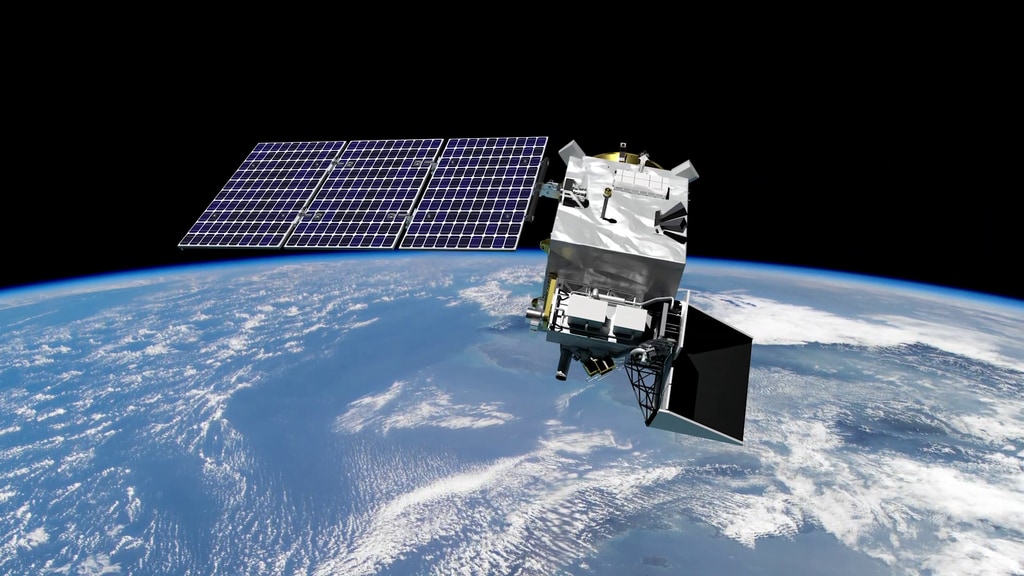
PACE in orbit rendering image courtesy NASA GSFC
Tasmanian Times (TT) is a community-based news and current affairs service covering the island state of Tasmania. It exists to provide a diverse presentation of Tasmanian issues. TT creates and supports independent media content utilising the best of modern technologies and tried-and-true practices of public-interest journalism.
Support us in expanding our coverage and developing new content by and for Tasmanians.
New initiatives on the way include … what our contributors and readers suggest! Please get in touch with your suggestions.